FCC Launches Rare Review of Disney Broadcast Licences Amid Jimmy Kimmel Controversy
Federal Communications Commission orders early licence review following late-night host's joke about Melania Trump

LAT Editorial Team

Ad
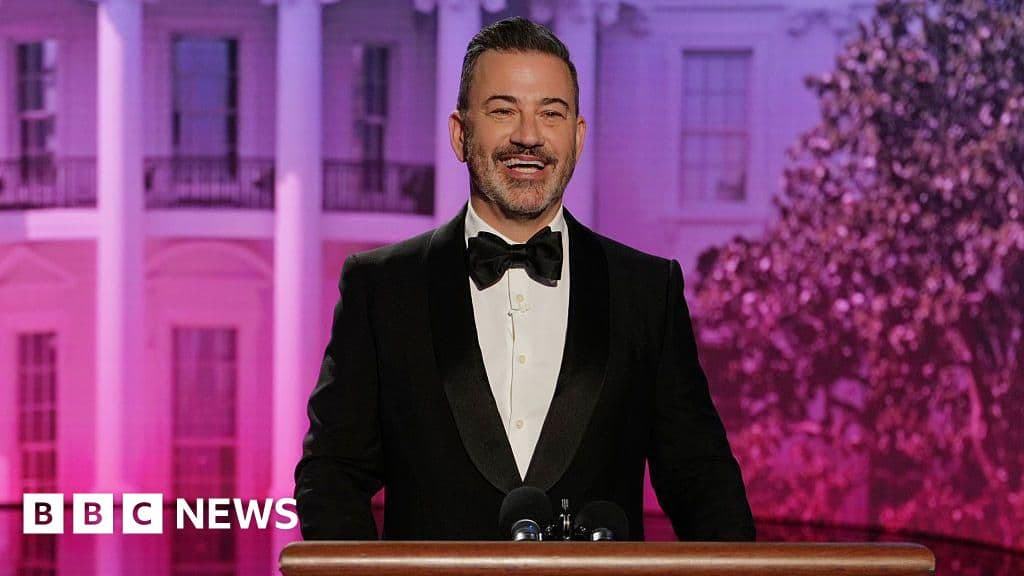
The US Federal Communications Commission (FCC) has initiated an unprecedented early review of Disney's ABC television broadcast licences after President Donald Trump demanded the firing of late-night host Jimmy Kimmel. The move follows Kimmel's controversial joke referring to Melania Trump as an 'expectant widow,' made just days before a gunman opened fire near a gala attended by the Trumps.
This rare regulatory action highlights escalating tensions between the Trump administration and media outlets, raising concerns about political influence over broadcast licences. The FCC's review could potentially threaten Disney's licences, which were not due for renewal until 2028, marking a significant moment in media regulation and free speech debates.
Ad
What Sparked the FCC's Unusual Licence Review?
The FCC's decision to order an early review of Disney's ABC stations came shortly after President Trump publicly called for Kimmel's dismissal. The comedian's joke about Melania Trump, made during his late-night show, was criticized by the White House as a 'call to violence.' The timing was sensitive, as the remarks preceded a shooting incident at the White House Correspondents' Dinner, where the Trumps were present but unharmed.
The FCC's order requires Disney to submit licence-renewal applications within 30 days, allowing the agency to assess whether the broadcaster meets public-interest standards. This review could lead to licence revocation, a measure not taken by the FCC in over four decades.
Ad
Disney and FCC Responses: Compliance and Criticism
Disney responded by affirming that ABC and its stations operate fully within FCC guidelines, emphasizing their commitment to serving local communities with trusted news and public-interest programming. A company spokesperson highlighted their long-standing compliance with FCC rules.
Meanwhile, Democratic FCC Commissioner Anna M Gomez condemned the review as a 'political stunt,' calling it 'unprecedented' and 'unlawful.' She urged companies to challenge the order, citing First Amendment protections.
"This is unprecedented, unlawful, and going nowhere. Companies should challenge it head-on. The First Amendment is on their side."—FCC Commissioner Anna M Gomez
Ad
The Broader Context: Political Pressure and Media Freedom
The FCC's action comes amid ongoing White House pressure on ABC to fire Kimmel. White House Communications Director Steven Cheung called for Kimmel to be 'shunned for the rest of his life.' Kimmel defended his joke as a light roast, denying any call for violence and reaffirming his stance against gun violence.
Experts note that while the FCC has conducted early licence reviews before, these typically involve technical or legal violations, not content disputes. Legal scholar Jeffrey Schneider described the move as a politically motivated attempt to appease administration supporters, emphasizing the high burden of proof required to revoke licences.
- FCC created in 1934 to regulate scarce broadcasting frequencies
- Sets rules on sponsor disclosures, emergency broadcasts, and content standards
- Rarely revokes licences; last such action over 40 years ago
- Trump has previously suggested stripping licences from networks critical of him
- FCC recently investigated Disney's diversity and inclusion practices
Ad
Looking Ahead: What This Means for Media and Free Speech
The FCC's rare move to review Disney's broadcast licences amid political controversy raises critical questions about the balance between regulatory authority and free speech protections. As Disney prepares to respond, the outcome could set important precedents for how political disputes influence media regulation.
With licence renewals not due until 2028, the accelerated review signals heightened scrutiny of broadcasters' content and practices. Observers will be watching closely to see if this marks a new era of regulatory intervention driven by political considerations or if it will be challenged successfully in defense of media independence.