DOJ Pushes to Resume Trump’s White House Ballroom Construction Citing Correspondents’ Dinner Shooting
Shooting at Washington Hilton fuels DOJ’s call to lift construction halt on $400M White House ballroom project

LAT Editorial Team

Ad
The U.S. Department of Justice has urged a federal judge to lift the construction pause on former President Donald Trump’s controversial $400 million White House ballroom project. The DOJ’s request comes in the wake of a shooting at the Washington Hilton during the White House Correspondents’ Dinner, which Trump has cited as justification for the new secure venue.
The project, halted by a judge following a lawsuit from preservationists, has sparked a legal battle over property authority and historic preservation. The DOJ argues that the new ballroom is essential for presidential security at large events, while preservation groups maintain the lawsuit will continue to protect legal and historic standards.
Ad
Legal Battle Over White House Ballroom Intensifies
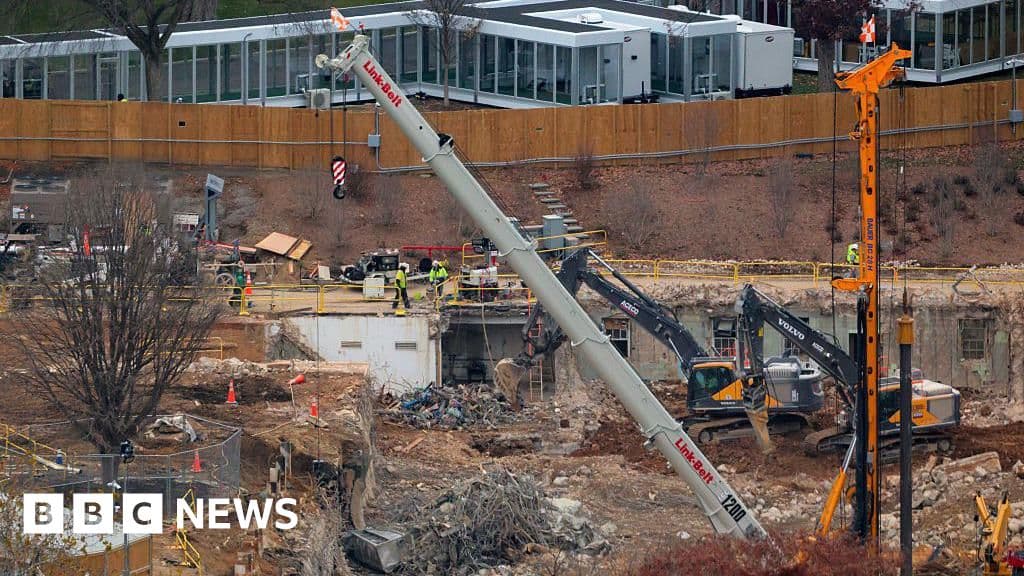
A federal judge ordered a halt to above-ground construction on the new White House ballroom after the National Trust for Historic Preservation filed a lawsuit. The trust contends that Trump lacked the proper authority to start the project without congressional and federal agency approval. Initially, plans promised minimal changes to the East Wing, but demolition began in October to make way for the new structure.
Ad
DOJ Cites Correspondents’ Dinner Shooting to Justify Construction
In a court filing, Acting Attorney General Todd Blanche and other officials emphasized the urgent need for a secure presidential event space, referencing the recent shooting at the Washington Hilton. The filing argues that the injunction halting construction should be lifted to protect current and future presidents, their families, and staff.
"Presidents need a secure space for large events that currently do not exist in Washington. This court's injunction stalling this project cannot defensibly continue, for the sake of President Trump, future presidents and their families, Cabinets and staff."—Acting Attorney General Todd Blanche
The filing also echoed Trump’s rhetoric, accusing preservationists of "Trump Derangement Syndrome" and dismissing the lawsuit as frivolous and politically motivated.
Ad
Preservationists Stand Firm Against Project
The National Trust for Historic Preservation has vowed to continue its legal fight. Carol Quillen, the trust’s president and CEO, stated the lawsuit poses no danger and simply demands that the administration comply with the law. Legal experts suggest the judge, Richard Leon, appointed by President Bush, may be unlikely to reverse his decision based on the DOJ’s arguments.
Ad
The Correspondents’ Dinner Shooting and Its Aftermath
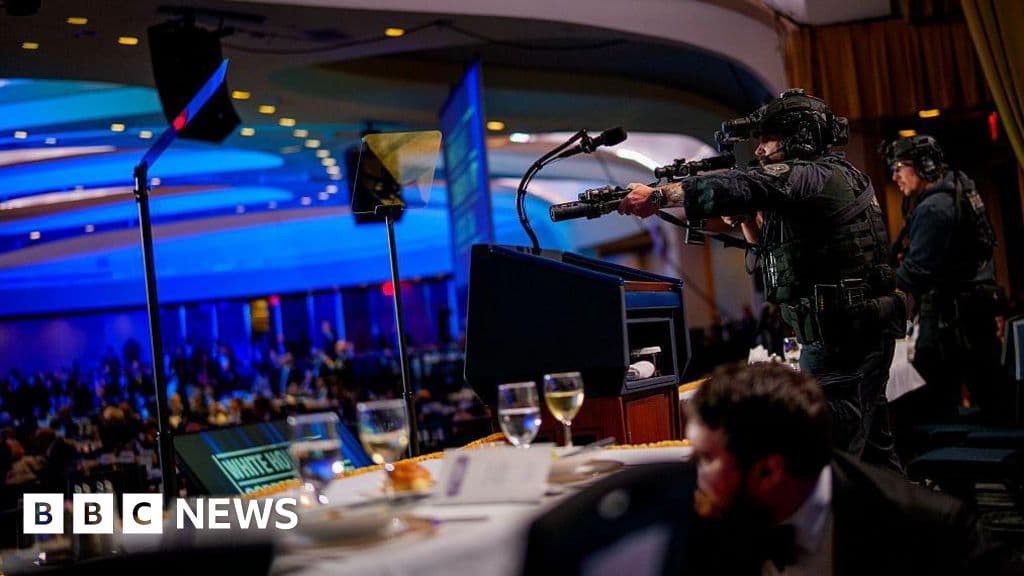
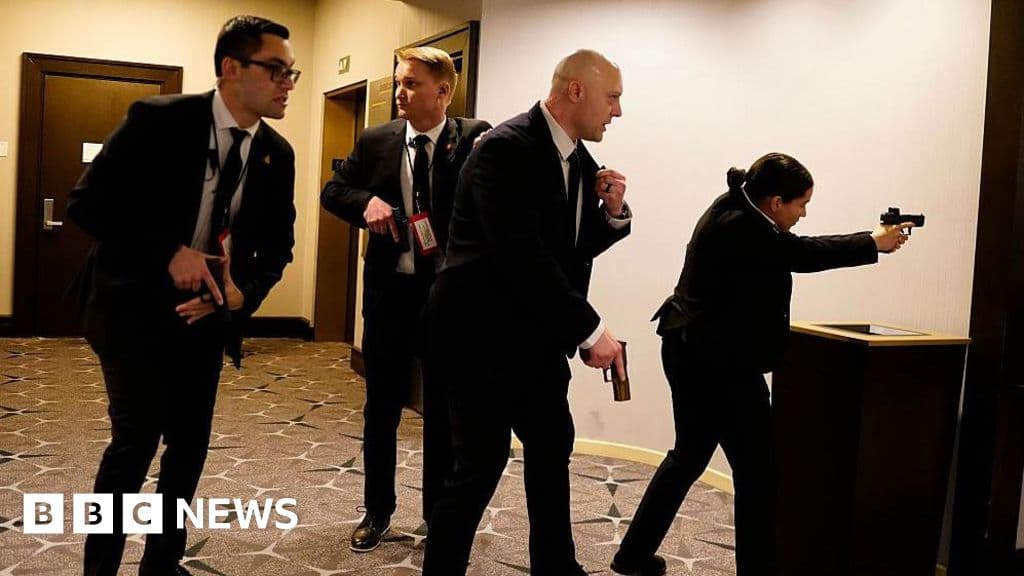
On Saturday, an armed suspect attempted to enter the Washington Hilton during the White House Correspondents’ Dinner, an event attended by over 2,300 people including Cabinet members and members of Congress. Shots were fired, prompting a swift evacuation of President Trump and other officials. The incident has been cited repeatedly by Trump as a key reason for building the new ballroom on what he describes as the safest land in the country.
However, it remains unclear how the new ballroom would have impacted the security situation at the dinner, which is hosted by an outside organization and not held on White House grounds.
Ad
What Lies Ahead for the White House Ballroom Project?
With the DOJ pushing to resume construction and preservationists refusing to back down, the legal battle over the White House ballroom is far from over. The case will test the limits of presidential authority, historic preservation laws, and security priorities. Observers await the judge’s next ruling, which will shape the future of this high-profile and costly project.