Amsterdam Leads the Way: Banning Public Ads for Meat and Fossil Fuels to Fight Climate Change
The Dutch capital removes billboards promoting burgers, petrol cars, and flights to align with its carbon-neutral goals

LAT Editorial Team

Ad
Amsterdam has become the first capital city worldwide to prohibit public advertisements for meat products and fossil fuel-related services. Since May 1, billboards, tram shelters, and metro stations no longer display ads for burgers, petrol cars, or airline holidays, signaling a bold step toward environmental responsibility.
This groundbreaking move reflects Amsterdam’s commitment to becoming carbon neutral by 2050 and reducing local meat consumption by half. By reshaping the city’s advertising landscape, officials aim to challenge societal norms and reduce the promotion of high-carbon lifestyle choices.
Ad
A New Visual Landscape in Amsterdam’s Public Spaces
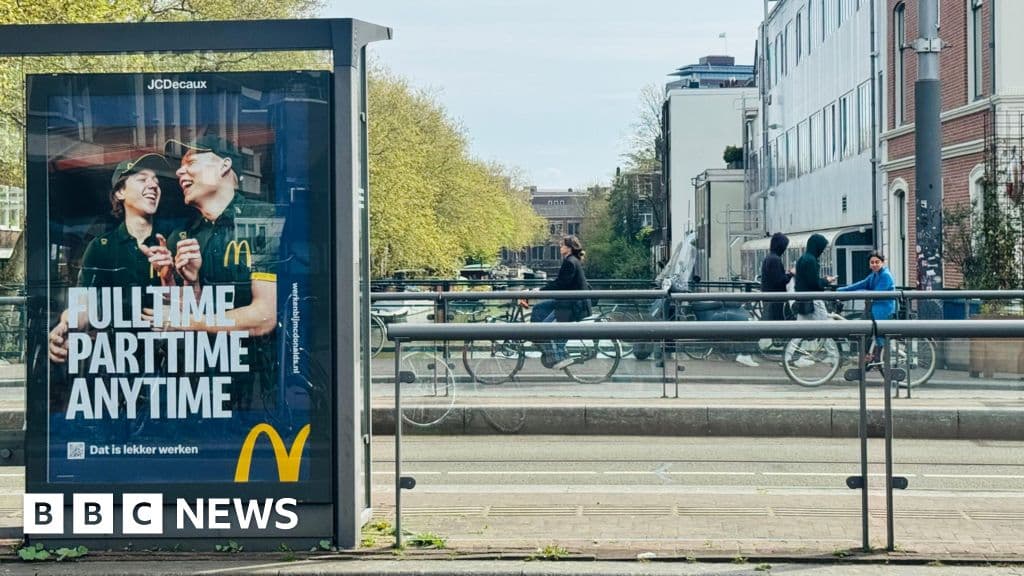
At busy tram stops once dominated by ads for chicken nuggets, SUVs, and budget holidays, vibrant posters now promote cultural events like concerts and museum exhibitions. This shift not only beautifies the cityscape but also aligns public messaging with Amsterdam’s environmental ambitions.
Ad
Why the Ban Matters: Climate Urgency Meets Public Policy
Local politicians emphasize the urgency of the climate crisis and the contradiction of profiting from advertising products that undermine sustainability goals. Anneke Veenhoff of the GreenLeft Party highlights the inconsistency of renting public space to promote activities that conflict with the city’s climate leadership.
"If you want to be leading in climate policies and you rent out your walls to exactly the opposite, then what are you doing?"—Anneke Veenhoff, GreenLeft Party
Anke Bakker from the Party for the Animals adds that the ban empowers individuals by removing constant commercial pressure, allowing people to make more conscious choices without being nudged toward meat or fossil-fuel-heavy travel.
Ad
Industry Pushback and Broader Implications
The Dutch Meat Association criticizes the ban as an unwarranted interference in consumer freedom, emphasizing meat’s nutritional value. Similarly, travel industry groups argue that restricting ads for air travel unfairly limits commercial freedom.
Meanwhile, environmental advocates see this as a pivotal moment akin to the historic tobacco advertising bans. Lawyer Hannah Prins compares the normalization of meat advertising to past tobacco promotions, envisioning a future where high-carbon products lose their social acceptability.
"What we see in our public space is what we find normal in our society. I don't think it's normal to see murdered animals on billboards. So I think it's very good that that's going to change."—Hannah Prins, environmental lawyer
Ad
Amsterdam’s Ban in a Global Context
Amsterdam follows Haarlem, Utrecht, and Nijmegen in the Netherlands, cities that have already restricted meat and fossil fuel advertising. Internationally, cities like Edinburgh, Stockholm, and Florence have banned fossil fuel ads, with France implementing a nationwide prohibition.
Campaigners hope Amsterdam’s combined ban on meat and fossil fuel advertising will serve as a blueprint for other cities aiming to tackle climate change through public messaging.
Ad
Will the Ban Change Consumer Behavior?
While direct evidence linking outdoor ad bans to reduced meat consumption is limited, experts like epidemiologist Prof Joreintje Mackenbach view Amsterdam’s initiative as a valuable natural experiment. Removing visual cues for fast food and fossil fuel products could shift social norms and reduce impulse buying.
Mackenbach points to London’s 2019 junk food ad ban on the Underground, which correlated with decreased purchases, suggesting similar potential for Amsterdam’s policy.
Hannah Prins also believes local businesses will benefit, as smaller, community-focused shops and events gain visibility without being overshadowed by big polluters’ advertising.
"I think local businesses will be able to thrive because of this. Big polluting companies might rethink the kind of products they are selling. Change is possible."—Hannah Prins
Ad
Looking Ahead: The Future of Public Advertising and Climate Action
Though digital platforms remain untouched by these bans, Amsterdam’s move marks a significant step in redefining public space and societal values. As cities worldwide grapple with climate challenges, Amsterdam’s bold advertising restrictions could inspire broader shifts in how communities promote sustainable lifestyles.