Inside Uganda’s Sham Dog Shelters: How Scammers Exploit Animal Lovers Worldwide
BBC investigation reveals cruel scams using injured dogs to raise fake donations

LAT Editorial Team

Ad
A BBC Africa Eye investigation has uncovered a disturbing scam in Uganda where injured dogs are exploited to solicit donations from animal lovers across the globe. The case of Russet, a severely injured dog featured in countless online fundraisers, highlights a hidden industry profiting from animal cruelty and deception.
This scam preys on the compassion of Western donors by manipulating stereotypes about Africa’s poverty and animal welfare challenges. While thousands of dollars are raised, the dogs endure prolonged suffering, and the scammers live lavishly, exposing a dark side of social media fundraising.
Ad
The Rise of Sham Dog Shelters in Mityana
Mityana, a town about 70km from Uganda’s capital Kampala, has become notorious for fake dog rescue shelters. Young men in the area have tapped into the global obsession with dogs, flooding social media platforms like TikTok, Instagram, and Facebook with heart-wrenching videos of sick and injured animals. These videos often depict harsh conditions and desperate pleas for donations, playing on viewers’ emotions and preconceived notions about Africa.
The scammers rent out shelters and charge content creators fees to film with the dogs, who are kept in overcrowded, filthy cages. The same dogs and shelters appear across multiple accounts, each soliciting donations through platforms like GoFundMe and PayPal.
Ad
How the Scam Works: Tricks and Deceptions
Undercover BBC journalists discovered that scammers use a range of tactics to maximize donations. These include fabricating eviction threats, staging fake veterinary treatments, and inflating costs for food and care. One shelter owner, Charles Lubajja, openly admitted to using donations to buy cars and build houses, advising others to 'squeeze' donors for as much money as possible.
- Faking veterinary procedures by pretending to inject dogs
- Claiming urgent shelter relocation to solicit funds
- Exaggerating food and medical expenses by over 11 times
- Reusing the same dogs and shelters across multiple fundraising accounts
Ad
The Human Cost: Dogs Like Russet Suffer the Most
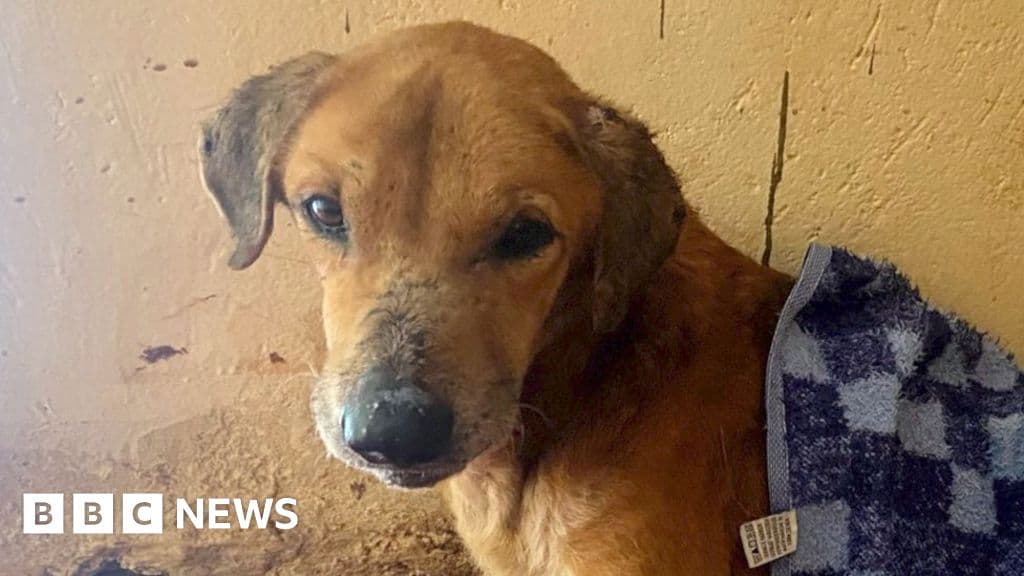
Russet, a dog with rust-colored fur, became the face of this scam after a viral video showed him injured and pleading for help. Despite thousands of dollars raised, Russet’s condition worsened. Veterinary experts believe his injuries were deliberately inflicted rather than accidental. After being rescued and treated, Russet sadly died, having endured immense pain and neglect.
"If you looked in his face, you would see that he had endured a lot of suffering. Given everything he had gone through, he did not deserve to die."—Dr Isa Lutebemberwa, Veterinarian
Investigations revealed that some scammers even deliberately harm dogs to create more compelling content, though this practice has decreased as donors became more aware of the abuse.
Ad
Fighting Back: Activists and Donors Unite Against the Scams
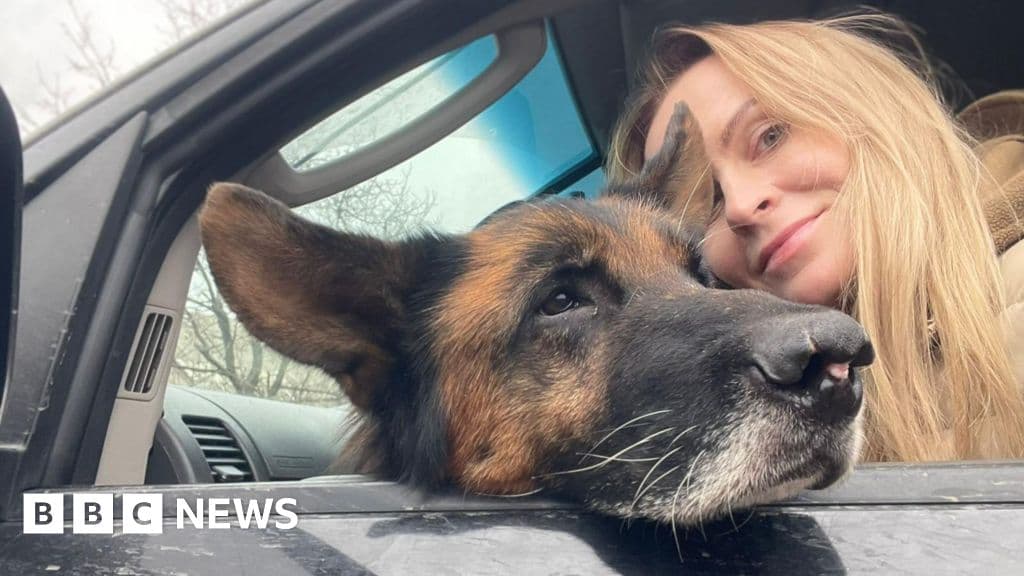
Campaigns like 'We Won't Be Scammed,' led by UK-based activist Nicola Baird, have mobilized thousands to expose and challenge these fraudulent operations. Baird, once a victim herself, now works tirelessly to raise awareness and protect animals from further abuse.
"The scammers, I just have hatred for them. They are the epitome of evil."—Nicola Baird, Founder of We Won't Be Scammed
Animal welfare groups in Uganda also call on international donors to scrutinize fundraisers more carefully, warning that impulsive donations may inadvertently fuel the cycle of cruelty.
Ad
Looking Ahead: Legal Action and Raising Awareness
While local authorities have made some arrests, prosecutions remain rare and enforcement weak. An international coalition of activists and animal welfare organizations is now pursuing private prosecutions to hold scammers accountable and deter future abuse.
Experts agree that increasing public awareness and encouraging responsible giving are crucial to cutting off the scammers’ income and reducing harm to vulnerable animals. However, the fate of many dogs currently trapped in these shelters remains uncertain.