Trump Administration Moves to Open Eastern US Forests to Logging and Mining, Threatening Pristine Ecosystems
Dismantling the roadless rule could fragment some of the last untouched forests in the eastern United States.

LAT Editorial Team

Ad
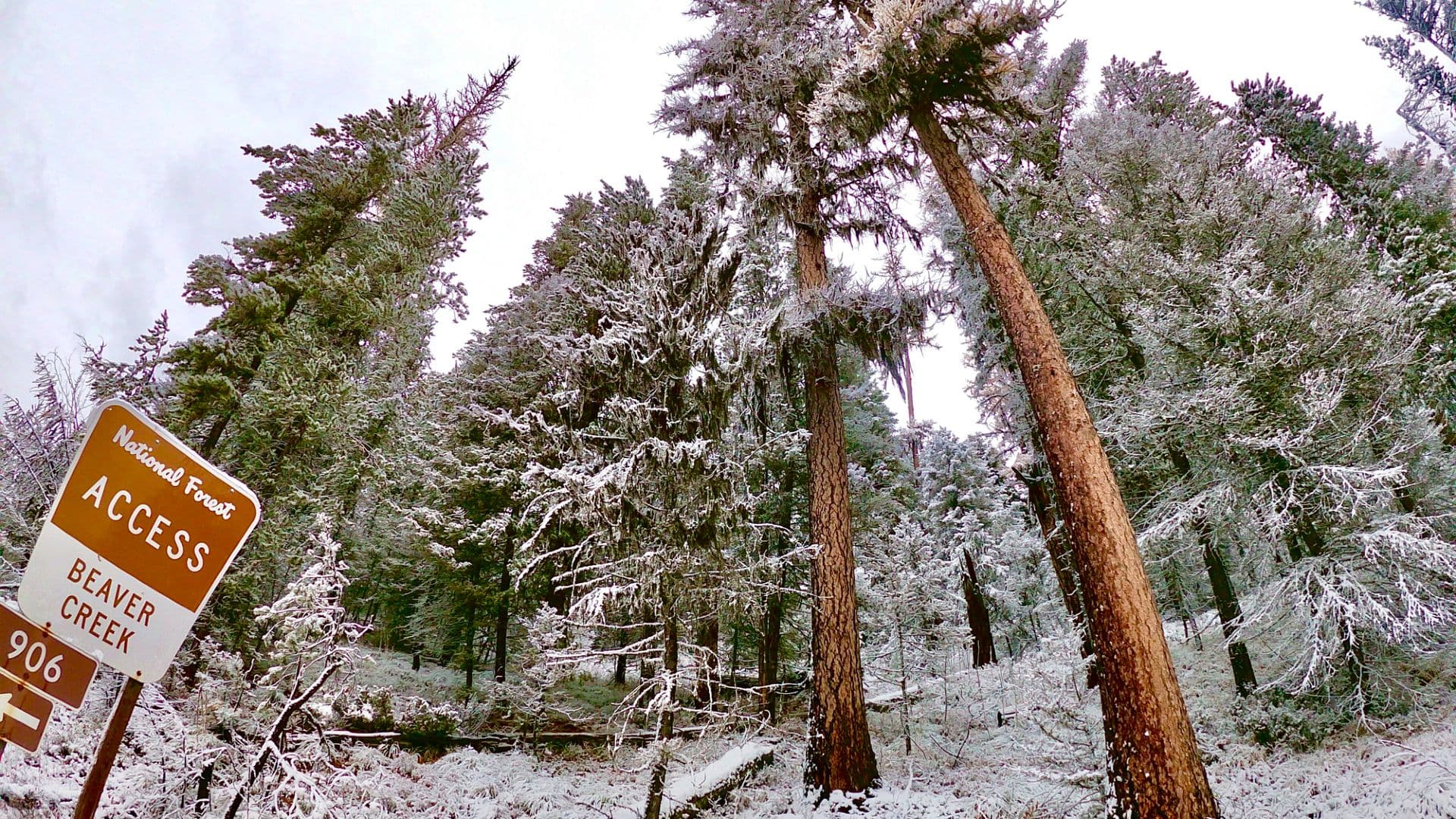
The Trump administration is pushing to repeal the Roadless Area Conservation Rule, a policy that has protected nearly 60 million acres of undeveloped national forest land across 39 states since 2001. While much of the debate has focused on Western forests, this repeal threatens to open precious and vulnerable East Coast forests to logging, mining, and road construction.
This move could have profound consequences for ecosystems, wildlife habitats, and communities that depend on these forests for clean water, recreation, and carbon storage. Conservationists warn that dismantling the rule ignores scientific evidence and risks irreversible damage to some of the last remaining roadless areas in the eastern United States.
Ad
What Is the Roadless Rule and Why Does It Matter?
Adopted in 2001 during the Clinton administration, the Roadless Area Conservation Rule was designed to halt road construction and logging in nearly 60 million acres of national forest land. The policy emerged after the U.S. Forest Service recognized that excessive road building was fragmenting habitats, polluting streams, and degrading drinking water supplies. While 95% of protected roadless areas lie in Western states, the rule also safeguards smaller, more vulnerable forest parcels in the eastern U.S., providing critical ecological refuges in a heavily developed region.
Ad
Trump Administration’s Push to Repeal: Arguments and Controversies
The Department of Agriculture, overseeing the Forest Service, argues that the roadless rule restricts wildfire management, firefighting access, and forest health initiatives. Secretary Brooke Rollins has labeled the policy an “absurd obstruction” and claims repealing it would enhance flexibility to protect forests and support rural economies. However, conservationists and former Forest Service chiefs strongly dispute these claims, emphasizing the rule’s importance in preserving biodiversity, clean water, and carbon storage.
“Roadless areas are a finite resource. They are our last best stretches of national forest land.”—Garrett Rose, Natural Resources Defense Council
“Removing protection of these precious lands that belong to all citizens, rich and poor, would be an irreparable tragedy.”—Vicki Christiansen, former Forest Service Chief
Ad
Eastern Forests at Risk: Why These Areas Are Especially Vulnerable
Unlike the vast, contiguous forests of the West, eastern roadless areas are smaller and more fragmented, making them particularly susceptible to damage from logging and mining. For example, Illinois’ Shawnee National Forest has only about 4,000 road-free acres, while the Southeast holds roughly 416,000 acres. These forests provide essential habitat for wildlife, recreational opportunities, and drinking water for millions of people.
- Protects drinking water sources for millions
- Supports diverse wildlife habitats
- Offers recreational spaces for communities
- Stores carbon critical for climate mitigation
Ad
Public Opposition and the Future of Forest Protection
Despite a truncated 21-day public comment period, the repeal effort drew over 220,000 responses, nearly all opposing the rollback. Concerns focused on threats to wildlife, tourism, and water quality. Meanwhile, the Trump administration continues to advance broader efforts to expand logging and restructure the Forest Service, including closing research stations and relocating agency headquarters.
As the debate shifts from Washington to the woods, communities living near these forests face an uncertain future. The outcome will shape the fate of some of the last remaining roadless forests in the eastern United States and their vital ecological and economic roles.