Inside the Chernobyl Disaster: How a Nuclear Meltdown Nearly Triggered Global Catastrophe
The 1986 Chernobyl meltdown exposed critical reactor flaws and operator errors, reshaping nuclear safety worldwide.

LAT Editorial Team

Ad
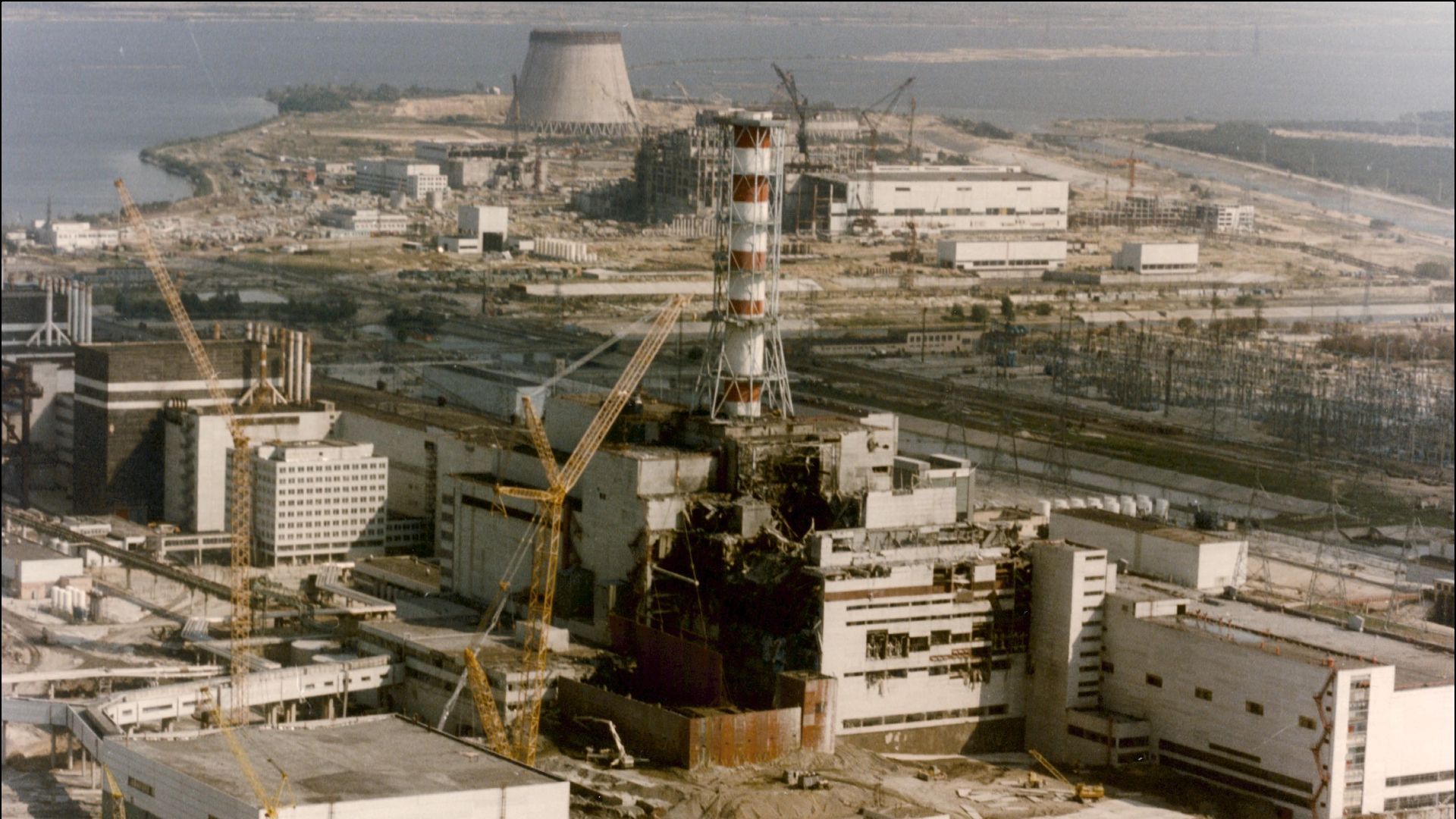
On April 26, 1986, the Chernobyl Nuclear Power Plant in Ukraine suffered a catastrophic meltdown during a safety test, releasing massive amounts of radioactive material into the atmosphere. The disaster, initially concealed by Soviet authorities, soon revealed the terrifying potential for nuclear Armageddon.
This event exposed fatal design flaws in the RBMK reactors and highlighted critical operator mistakes, leading to widespread evacuations, long-term health impacts, and a lasting exclusion zone. Decades later, Chernobyl remains a stark reminder of the risks of nuclear power and the importance of rigorous safety protocols.
Ad
The Fateful Test That Went Wrong
Operators at Chernobyl were conducting a test to determine if turbines could keep coolant water circulating during a power outage until emergency generators activated. The test required shutting down Reactor 4, but due to grid demands, the reactor was kept at half power longer than recommended, causing instability.
A less experienced night crew resumed the test, inadvertently lowering power too much and then removing nearly all control rods to raise it. This led to uncontrollable power surges, culminating in two massive steam explosions that destroyed the reactor building and ignited a fire, releasing radioactive debris.
Ad
Design Flaws That Made Disaster Inevitable
The RBMK reactors used graphite as a neutron moderator and water as a coolant, unlike Western reactors where water serves both roles. This design created a dangerous positive feedback loop: as steam formed, the reaction accelerated, increasing heat and steam production further.
Additionally, the control rods had graphite tips that initially increased reactivity when inserted, worsening the situation during the emergency shutdown attempt. Despite warnings from British officials years earlier, these critical flaws were not fully addressed before the accident.
Ad
Aftermath: Human and Environmental Toll
The explosion forced the evacuation of hundreds of thousands from nearby towns. Immediate fatalities included two plant workers, while many firefighters and cleanup workers later succumbed to radiation-induced illnesses. Radioactive isotopes contaminated the region, causing increased thyroid cancers among children.
The Soviet Union initially tried to suppress information, but radiation spikes were detected across Europe. Today, the 1,000-square-mile exclusion zone remains one of the most radioactive places on Earth, serving as a unique natural laboratory for studying radiation effects on ecosystems.
Ad
Lessons Learned and the Path Forward
Chernobyl exposed the dangers of inadequate operator training, poor safety culture, and flawed reactor design. Since the disaster, many RBMK reactors have undergone safety retrofits to reduce the risk of runaway reactions.
The tragedy reshaped global nuclear safety standards and emergency response protocols, emphasizing transparency and rigorous oversight. As nuclear energy continues to evolve, Chernobyl stands as a powerful reminder of the need for vigilance to prevent future catastrophes.