Could a Giant Dam Between Alaska and Russia Save a Crucial Atlantic Ocean Current?
Scientists explore a bold geoengineering idea to protect the Atlantic Meridional Overturning Circulation amid climate threats.

LAT Editorial Team

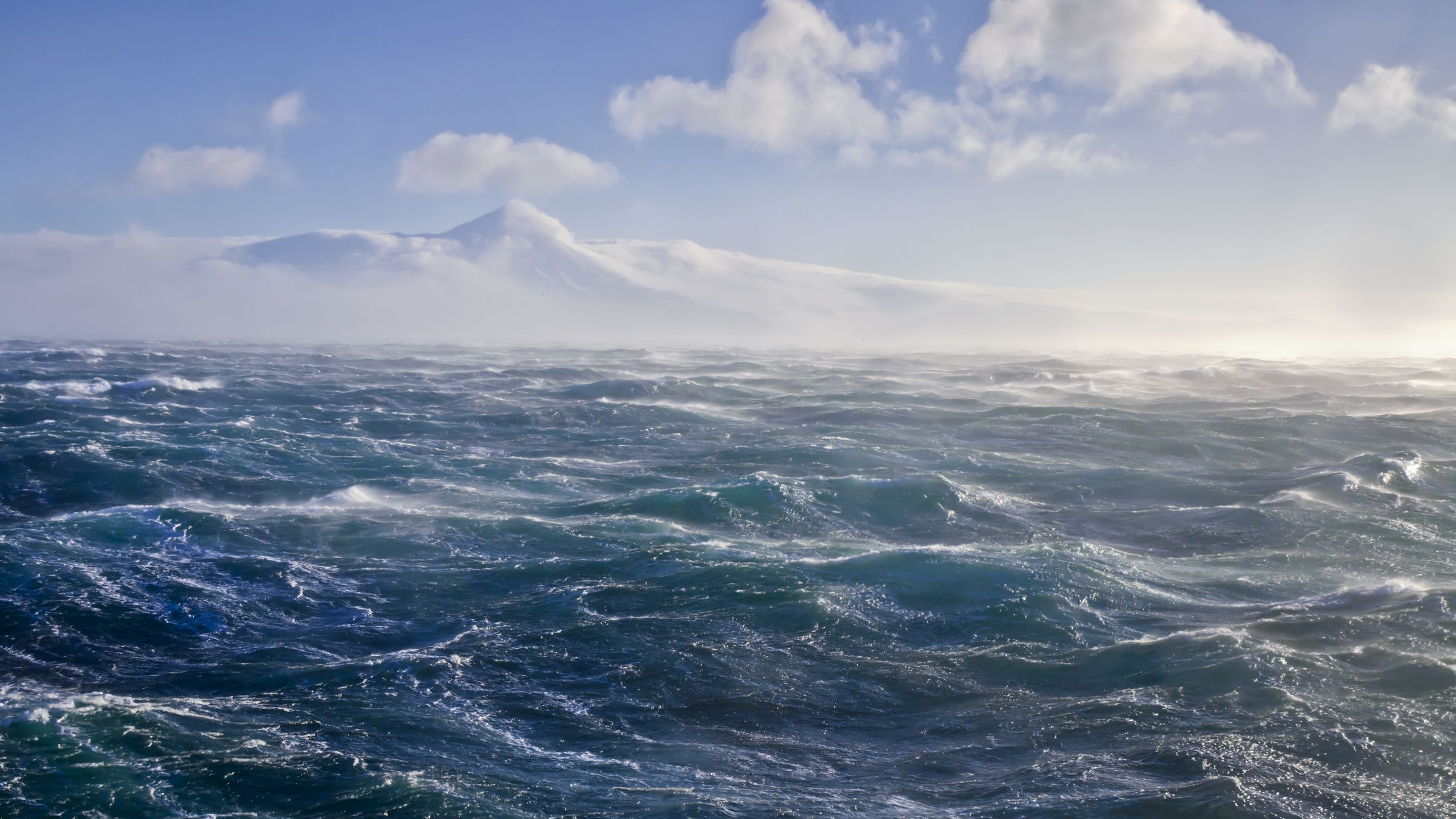
Researchers propose building a massive dam across the Bering Strait to potentially prevent the collapse of the Atlantic Meridional Overturning Circulation (AMOC), a vital ocean current that regulates climate in northern Europe and beyond. This ambitious plan involves disconnecting the Pacific Ocean from the Arctic Ocean to stabilize the AMOC as global warming intensifies.
While the dam could buy critical time for the AMOC, experts warn of significant risks including impacts on wildlife, Indigenous communities, shipping routes, and the possibility that the intervention might accelerate the current’s decline under certain conditions. The study highlights the complexity and uncertainty surrounding this unprecedented geoengineering approach.
Why the AMOC Matters and Its Looming Threat
The AMOC transports warm, salty water from the tropics northward, where it cools, sinks, and returns south as cold water. This circulation moderates climates across Europe, Africa, and the Americas, making northern Europe’s climate milder than expected for its latitude.
Recent studies reveal the AMOC is weakening faster than previously predicted, with projections showing a slowdown of up to 59% by 2100. A collapse could trigger severe climate disruptions, including plummeting temperatures in Northern Europe, droughts, and rising sea levels along North America’s northeast coast.
The Bering Strait Dam: A Bold Geoengineering Proposal
Scientists modeled the effects of constructing three dams spanning the 51-mile-wide Bering Strait, which separates Alaska and Russia. This would block the flow between the Pacific and Arctic Oceans, a condition that existed millions of years ago when the AMOC was stronger.
The longest dam would stretch about 24 miles, comparable to existing large dams like the Afsluitdijk in the Netherlands. The project is technically feasible but would face challenges from harsh environmental conditions, strong currents, sea ice, and geopolitical tensions.
Potential Benefits and Risks of Closing the Bering Strait
Modeling results suggest that under scenarios of moderate CO2 emissions and a slightly weakened AMOC, closing the Bering Strait could strengthen the current and delay its collapse. However, if the AMOC is already severely weakened, the dam could accelerate its decline.
- Disruption to marine ecosystems due to altered water, heat, and nutrient exchange.
- Negative impacts on Indigenous peoples relying on the strait for food and trade.
- Interference with shipping routes and regional ocean circulation.
- Uncertain climate effects beyond the Atlantic region.
"Blocking the strait would alter the exchange of water, heat, nutrients and marine life between the Pacific and Arctic Oceans, with potential impacts on marine ecosystems and regional ocean circulation. Any intervention of this scale would need to carefully consider potential unintended consequences alongside any intended benefits."—Jonathan Baker, Ocean Scientist, U.K. Met Office
Looking Ahead: The Need for Caution and Emission Reductions
Scientists emphasize that the dam is not a straightforward solution and that more detailed modeling is essential to understand its long-term effects. The intervention might only delay the AMOC collapse under certain conditions and does not address the root cause—climate warming.
Ultimately, the most reliable way to protect the AMOC remains aggressive reduction of greenhouse gas emissions. Geoengineering efforts like the Bering Strait dam could be part of a broader strategy but require careful evaluation of ecological, social, and geopolitical consequences.