Astronaut Chris Hadfield Reflects on Artemis II’s Historic Impact and the Future of Lunar Exploration
From inspiring millions with music in space to envisioning a lunar settlement, Hadfield shares why Artemis II’s legacy will unfold over decades.

LAT Editorial Team

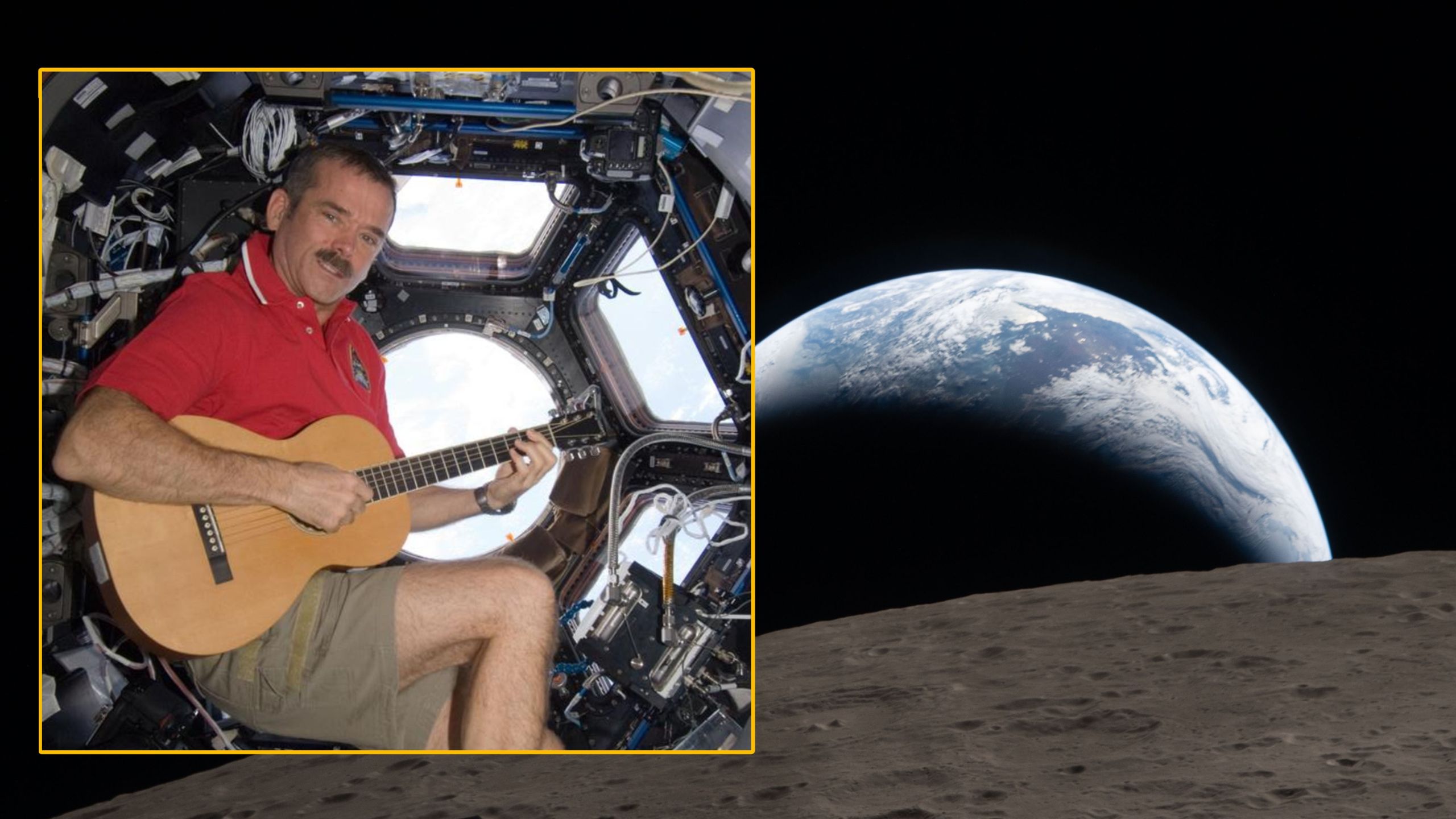
Retired Canadian astronaut Chris Hadfield opens up about the profound emotional and global significance of NASA’s Artemis II mission. Highlighting the mission’s unprecedented live connectivity and personal moments, Hadfield explains how Artemis II is more than a technical feat—it’s a beacon of inspiration during turbulent times.
Looking ahead, Hadfield emphasizes the importance of humanizing space exploration, including the need for music on future lunar habitats. He also discusses the engineering and human challenges of settling the moon, underscoring why Artemis II’s true power will resonate for generations.
A Historic Mission Shared Like Never Before
Hadfield recalls a deeply moving moment during Artemis II when Canadian astronaut Jeremy Hansen named a lunar crater after the late wife of NASA commander Reid Wiseman. This personal gesture, broadcast live worldwide, exemplified the mission’s blend of technical achievement and human connection.
Unlike past moon missions, Artemis II featured high-bandwidth live streaming accessible globally, allowing people everywhere to witness the astronauts’ courage and joy in real time. Hadfield believes this transparency helps the public truly grasp the risks and dedication involved in pioneering spaceflight.
Why Astronauts Must Inspire Beyond Science
Known as one of the most social media-savvy astronauts, Hadfield stresses the vital role astronauts play as symbols of hope and cooperation amid global unrest. Drawing parallels to the Apollo 8 mission during the Vietnam War era, he highlights how space exploration can unite and uplift humanity.
“In a time of a lot of unrest, and uncertainty, and direct conflict... it is really good to have strong, undeniable public examples of something that is positive, and beneficial, and inspiring.”—Chris Hadfield
Hadfield points out that the Apollo missions inspired countless individuals to pursue science, technology, and medicine, creating a ripple effect that still influences society today. He sees Artemis II as a catalyst for similar transformative inspiration.
Challenges and Innovations for Lunar Settlement
Looking toward NASA’s goal of establishing a permanent human presence on the moon, Hadfield identifies key obstacles: the abrasive nature of moon dust, which behaves like shattered glass under low gravity, and the uncertain accessibility of water ice in shadowed lunar craters.
He explains that solutions like hardened landing pads and berms are being developed to mitigate dust hazards. Meanwhile, ongoing robotic missions aim to confirm water availability, which is crucial for sustaining life alongside abundant solar power at the lunar south pole.
Hadfield also notes the importance of understanding how human bodies adapt to one-sixth Earth gravity over extended periods, drawing confidence from decades of International Space Station research.
The Power of Music in Space and Beyond
Hadfield, famous for his zero-gravity cover of David Bowie’s “Space Oddity,” advocates for bringing musical instruments to future lunar habitats. He highlights the psychological benefits of music, which NASA already supports by keeping a guitar aboard the International Space Station since 2001.
He envisions a small guitar or ukulele accompanying astronauts on the moon, helping maintain mental health and morale as humanity takes its next giant leap.
“As we start to settle the moon over the next five or 10 years, we’re going to need a musical instrument there.”—Chris Hadfield
Looking Forward: Artemis II’s Enduring Legacy
Hadfield believes Artemis II’s impact will unfold over decades, inspiring new generations to dream bigger and embrace challenges. Beyond technological milestones, the mission’s greatest power lies in its ability to connect people worldwide and spark courage and creativity.
As NASA prepares for Artemis IV and beyond, Hadfield urges continued sharing of spaceflight experiences to motivate humanity toward braver, more ambitious futures—both on Earth and among the stars.