Venice Biennale Jury Resigns Amid Controversy Over Russia’s Return
Entire jury steps down days before the world’s top art event opens, citing ethical concerns

LAT Editorial Team

Ad
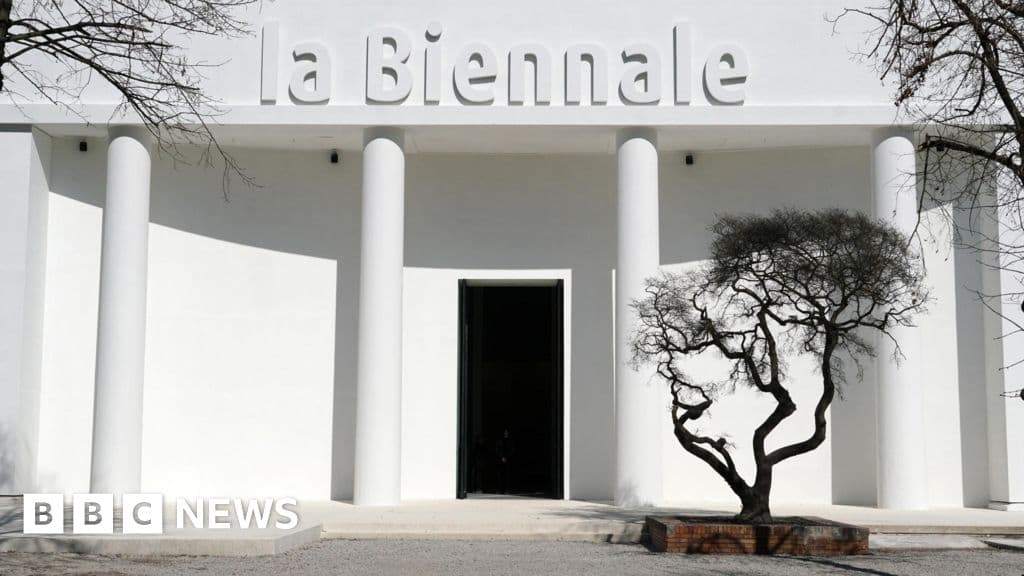
Just nine days before the Venice Biennale’s grand opening, the entire jury has resigned in protest over the participation of Russia, marking a dramatic escalation in tensions surrounding the prestigious art exhibition. The jury’s decision follows their stance to exclude countries led by figures accused of crimes against humanity, specifically naming Russia and Israel.
This unprecedented move highlights the deep ethical and political challenges facing global cultural events amid ongoing conflicts. Russia’s return to the Biennale, after a hiatus caused by its invasion of Ukraine, has sparked international backlash, including funding withdrawals and government boycotts, raising questions about the role of art in geopolitics.
Ad
Why the Jury Walked Out: A Stand Against War Crimes
The jury’s resignation was rooted in their earlier decision to exclude countries whose leaders face charges of crimes against humanity from prize consideration. This policy directly impacted Russia and Israel, both of which have leaders under International Criminal Court (ICC) arrest warrants. The jury’s departure means no official prizes will be awarded this year, shifting the power to visitors to vote for their favorite pavilions.
Ad
Russia’s Controversial Return to the Biennale
Russia’s participation marks its first return since the 2022 invasion of Ukraine, a move that has ignited fierce debate. The Russian pavilion, previously abandoned by its artists in protest, is now managed by Bolivia. The exhibition includes a performance titled 'The Tree is Rooted in the Sky,' though reports suggest public access may be limited. Italy’s culture ministry is investigating whether Russia’s involvement breaches sanctions.
The European Union has already withdrawn a €2 million grant, condemning Russia’s presence as 'morally wrong' amid ongoing cultural destruction in Ukraine. Italy’s Prime Minister Giorgia Meloni expressed government disapproval but acknowledged the Biennale’s autonomy.
Ad
The Broader Impact: Art, Politics, and Accountability
The Biennale controversy underscores the complex intersection of art and international politics. While the event prides itself on openness and rejects censorship, the presence of countries embroiled in conflict and accused of war crimes challenges this ethos. Israel’s exclusion from prize consideration has also drawn criticism from its foreign ministry, which called the decision a 'contamination of the art world.'
- ICC arrest warrants issued for Russia’s Vladimir Putin and Israeli leaders
- EU withdraws funding over Russia’s participation
- Italy’s culture ministry probes potential sanctions violations
- Jury cancels prize ceremony, empowering visitors to vote
- Russian pavilion managed by Bolivia this year
Ad
Looking Ahead: What This Means for Future Biennales
The jury’s resignation and the surrounding controversies signal a turning point for the Venice Biennale and similar international cultural events. Balancing artistic freedom with ethical responsibility will remain a challenge as geopolitical conflicts continue to influence global platforms. The Biennale’s future editions may face increased scrutiny over participant selection and the political implications of cultural representation.
Allowing Russia to take part is a decision not shared by the government, but the Biennale is autonomous and its president very capable.—Italy’s Prime Minister Giorgia Meloni