Trump Challenges War Powers Law, Citing Precedents of Past Presidents
A complex history of US presidents navigating congressional war authorizations fuels debate over Trump’s Iran conflict stance

LAT Editorial Team

Ad
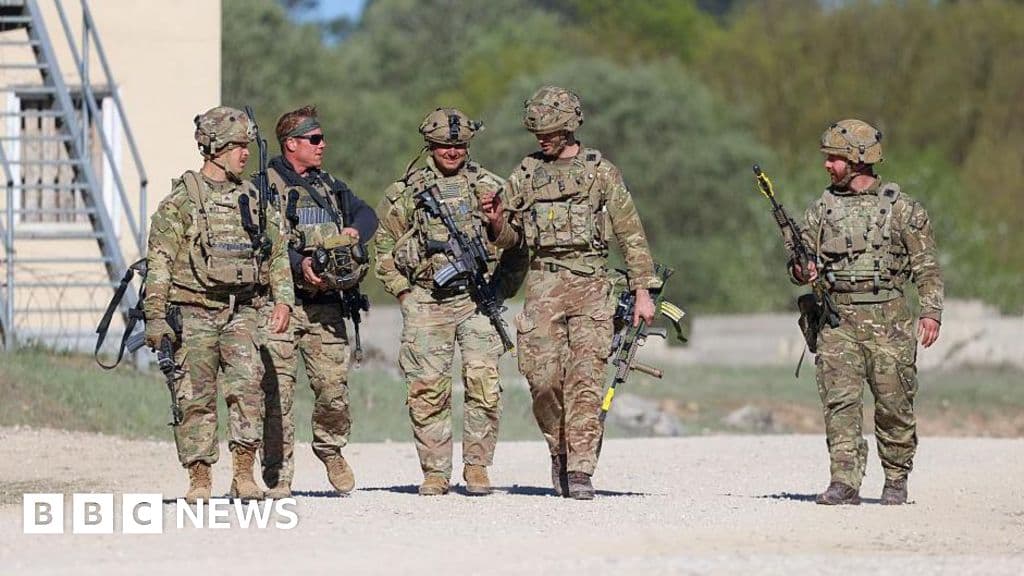
President Donald Trump has asserted that he does not need congressional approval to continue military actions against Iran, claiming that previous presidents also bypassed the War Powers Resolution. This statement comes as a critical 60-day deadline, set by the 1973 law, expired without formal congressional authorization for ongoing hostilities.
The debate highlights the complicated relationship between the executive branch and Congress over war powers, with Trump arguing that past commanders-in-chief viewed congressional limits as unconstitutional. However, historical records show a mixed approach by former presidents, some seeking approval while others extended military campaigns without it.
Ad
Understanding the 1973 War Powers Resolution and Its Impact
The War Powers Resolution was enacted to restrict presidential authority to engage US forces in hostilities without congressional consent. It requires the president to notify Congress within 48 hours of military action and mandates termination of forces after 60 days unless Congress approves continuation. This law was a response to unchecked military involvement in Vietnam.
In the current Iran conflict, the Trump administration notified Congress on February 28, starting the 60-day clock. However, Trump and Defense Secretary Pete Hegseth argue that the clock paused during a ceasefire, sparking debate over whether such pauses count toward the deadline.
Ad
Presidential Precedents: Compliance and Defiance
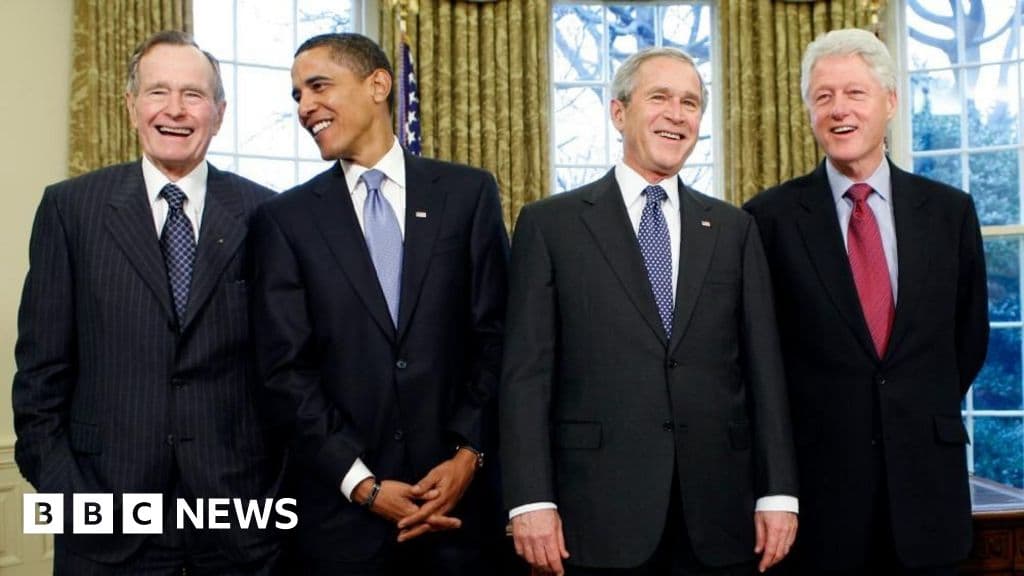
Historical actions by US presidents reveal a patchwork of adherence to the War Powers Resolution. Ronald Reagan sought congressional approval within the 60-day window for deploying Marines to Lebanon in 1983, while George HW Bush requested authorization before launching the 1991 Gulf War.
George W Bush also secured congressional approval for the Afghanistan and Iraq wars. Conversely, Bill Clinton’s 1999 Kosovo bombing campaign extended beyond 60 days without approval, and Barack Obama continued the 2011 Libya intervention past the deadline, arguing it did not constitute 'hostilities' under the law.
Ad
Legal Experts Weigh In on Trump’s Interpretation
"Just because other presidents haven't invoked it [the 1973 law] doesn't mean that what Trump is doing here is correct. Here, Trump has basically committed us to combat without any support from Congress. And if we go back to the founding of this country, one of the fears was strong executives committing us to wars without legislative approval.",—David Schultz, Political Science Professor
Experts emphasize that the War Powers Resolution does not provide for pausing the 60-day limit during ceasefires, challenging the Trump administration’s interpretation. The ongoing deadlock between Washington and Tehran over strategic issues like the Strait of Hormuz and Iran’s nuclear program complicates the conflict’s resolution.
Ad
What Lies Ahead for US-Iran Hostilities?
Trump has highlighted the relatively short duration of the Iran conflict compared to prolonged wars like Vietnam and Iraq. Yet, with no clear exit strategy and tensions persisting, the question remains how the US will navigate congressional war powers and diplomatic efforts moving forward.
As former President Obama noted about Afghanistan, ending wars often proves more challenging than starting them. The evolving situation with Iran will test the balance of power between the presidency and Congress, as well as the limits of US military engagement abroad.