Kenya Faces Rising Tide of Political Violence as Election Approaches
Surge in attacks by politically backed gangs sparks national alarm

LAT Editorial Team

Ad
Kenya is grappling with a surge in politically motivated violence as election season looms, highlighted by a brutal attack on Senator Godfrey Osotsi in Kisumu. The assault, captured on CCTV, has intensified fears that the country is sliding back into a dangerous cycle of electoral unrest fueled by criminal gangs hired by politicians.
This resurgence of violence threatens Kenya’s fragile democracy, recalling the deadly clashes of 2007. With over 100 criminal gangs reportedly active and political rivalries deepening, the government faces mounting pressure to dismantle these networks before the next general election, scheduled within 15 months.
Ad
A Violent Warning: The Attack on Senator Osotsi
Senator Godfrey Osotsi was violently assaulted by a group of hooded youths shortly after a haircut in Kisumu. The attackers questioned his political allegiance before beating him and stealing his belongings. The incident, widely circulated on social media, sparked outrage and prompted Kenya’s parliament to summon top security officials to address the escalating violence.
Ad
The Legacy of Political Gangs in Kenya
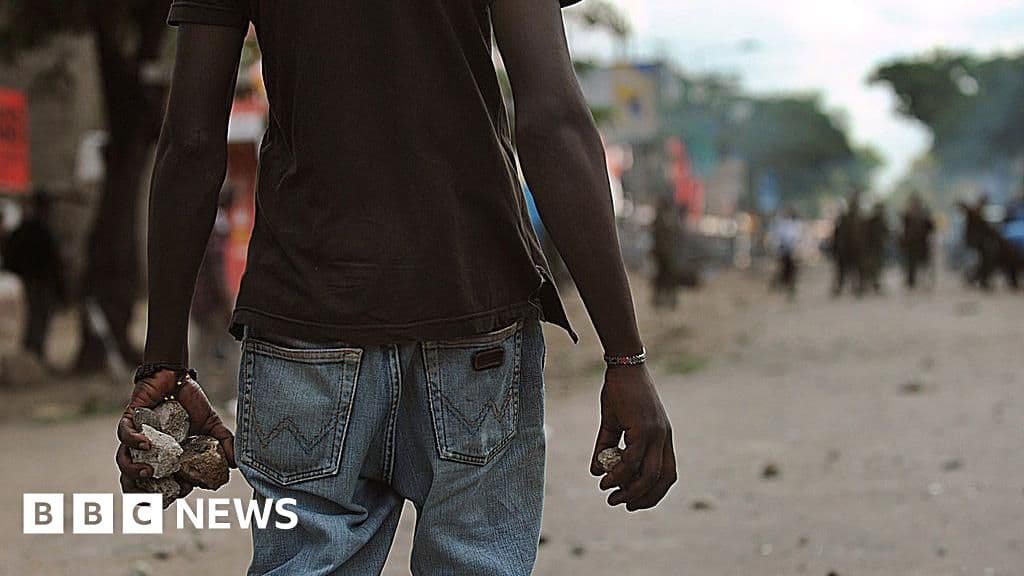
Kenya’s history of politically sponsored gangs dates back to the early 1990s with the return of multiparty democracy. These groups, often composed of unemployed youths, have been used repeatedly to intimidate voters and disrupt opposition activities. The 2007 post-election violence, which claimed around 1,500 lives, was largely driven by such gangs.
- Over 104 local criminal gangs currently active
- Gangs have evolved into sophisticated, decentralized networks
- Politicians are accused of funding and mobilizing these groups
- At least 300 suspects arrested in recent crackdowns
- No politicians have been detained despite widespread allegations
Ad
Political Tensions Fueling the Violence
The political landscape is heating up with former Deputy President Rigathi Gachagua planning a presidential run after his impeachment. Gachagua and his allies claim he has been targeted by state-backed criminal networks. Meanwhile, the opposition is fractured following the death of veteran leader Raila Odinga, leading to violent clashes between rival factions and police.
"The gangs are owned by political leaders who play a significant role in mobilising people. It is chaotic. An irresponsible leader is a threat to national security.",—Interior Minister Kipchumba Murkomen
Ad
Government Response and Public Concerns
Authorities have intensified efforts to dismantle criminal gangs, recovering weapons and arresting hundreds of suspects. However, critics argue the government’s response lacks consistency and fails to hold political patrons accountable. Allegations of police complicity and corruption persist, undermining public trust.
"The use of criminal gangs to intimidate or silence individuals undermine our democracy and will not be tolerated.",—Government spokesperson Isaac Mwaura
Ad
Looking Ahead: Can Kenya Avoid a Return to Electoral Violence?
With general elections due by August next year, Kenya stands at a critical crossroads. Security officials vow to end the era of 'goons and guns,' but the entrenched nature of political gangs and ongoing rivalries pose significant challenges. Observers warn that without decisive action, Kenya risks repeating the violent patterns of its past.