Asia’s Rice Crisis Deepens as Iran War Disrupts Fertiliser Supply
Fertiliser shortages triggered by geopolitical conflict threaten food security across Southeast Asia

LAT Editorial Team

Ad
As the planting season begins in Southeast Asia, rice farmers face a dire shortage of fertilisers, with prices soaring and supplies uncertain. The disruption stems from the Iran war, which has closed the Strait of Hormuz—a critical route for fertiliser shipments—and prompted China to halt key fertiliser exports to protect its own food security.
This crisis threatens to reduce rice yields across the region, jeopardizing the food supply for millions. Countries like Vietnam, the Philippines, and Thailand, heavily reliant on Chinese and Gulf fertiliser imports, are caught in a fragile supply chain that could unravel, pushing millions into hunger by the end of the year.
Ad
Fertiliser Shortages Hit Farmers at Planting Time
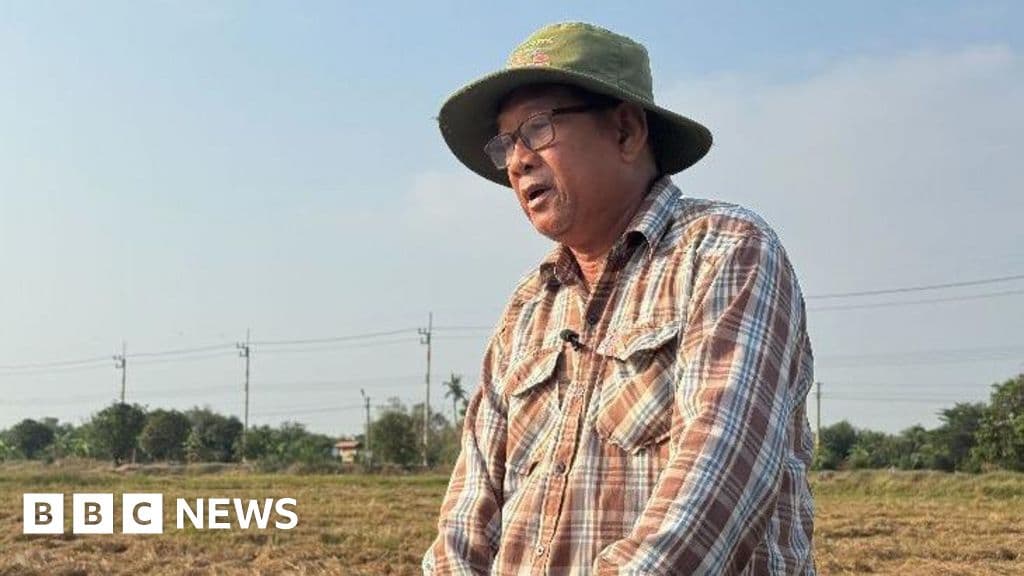
In Thailand’s rice-growing heartland, farmers like 60-year-old Suchart Piamsomboon are forced to reconsider planting this season due to skyrocketing fertiliser costs and uncertain deliveries. Fertiliser prices have jumped from 800-900 baht to over 1,100 baht per sack, with some expecting prices to reach 1,200 baht. Many farmers are opting out of planting, fearing financial losses and turning instead to low-wage labor.
Ad
How the Iran War Shuttered a Vital Fertiliser Route
The conflict between the US, Israel, and Iran led to the effective closure of the Strait of Hormuz on 28 February, a crucial maritime passage for about one-third of the world’s seaborne fertiliser trade. This disruption caused a sharp 40% increase in the price of urea, the most common nitrogen fertiliser, compounding the supply crisis.
Ad
China’s Export Ban Deepens the Crisis
China, the world’s largest fertiliser producer responsible for 25% of global output, has imposed strict export bans on several fertiliser types since March 2026. These measures, aimed at safeguarding domestic food production under China’s new food security law, have halted shipments to key Asian markets. Fertiliser exporters in Shandong province confirmed government orders to stop exports despite existing contracts, prioritizing domestic supply over international demand.
- China accounts for over 50% of Vietnam’s fertiliser imports.
- The Philippines depends on China for 75% of its fertiliser needs.
- Thailand sources about 20% of its fertiliser from China and 32% from the Gulf region.
Ad
A Fragile Food Chain at Risk of Collapse
The intertwined dependencies between countries—Vietnam’s rice fields rely on Chinese fertiliser, while the Philippines depends on Vietnamese rice—create a precarious food security situation. Any prolonged disruption could lead to smaller harvests or failed crops, with the full impact expected by year-end.
"Sometimes I wish rice farmers across the country would stop planting altogether, so the government would have no rice to eat and understand how we feel. The hardship is impossible to put into words."—Pratheuang Piamsomboon, rice farmer, Bangkok
Ad
Looking Ahead: The Growing Hunger Threat
Experts warn that while immediate food prices may not spike, the ongoing fertiliser shortage will reduce crop yields in the coming months. The UN World Food Programme projects that the Middle East conflict’s ripple effects could push 45 million more people into acute hunger in 2026, with Asia and the Pacific facing the largest regional increase in food insecurity.