Scientists Discover Over 10,000 New Exoplanet Candidates, Potentially Tripling Known Alien Worlds
A groundbreaking machine learning survey reveals thousands of previously hidden planets orbiting distant stars.

LAT Editorial Team

Ad
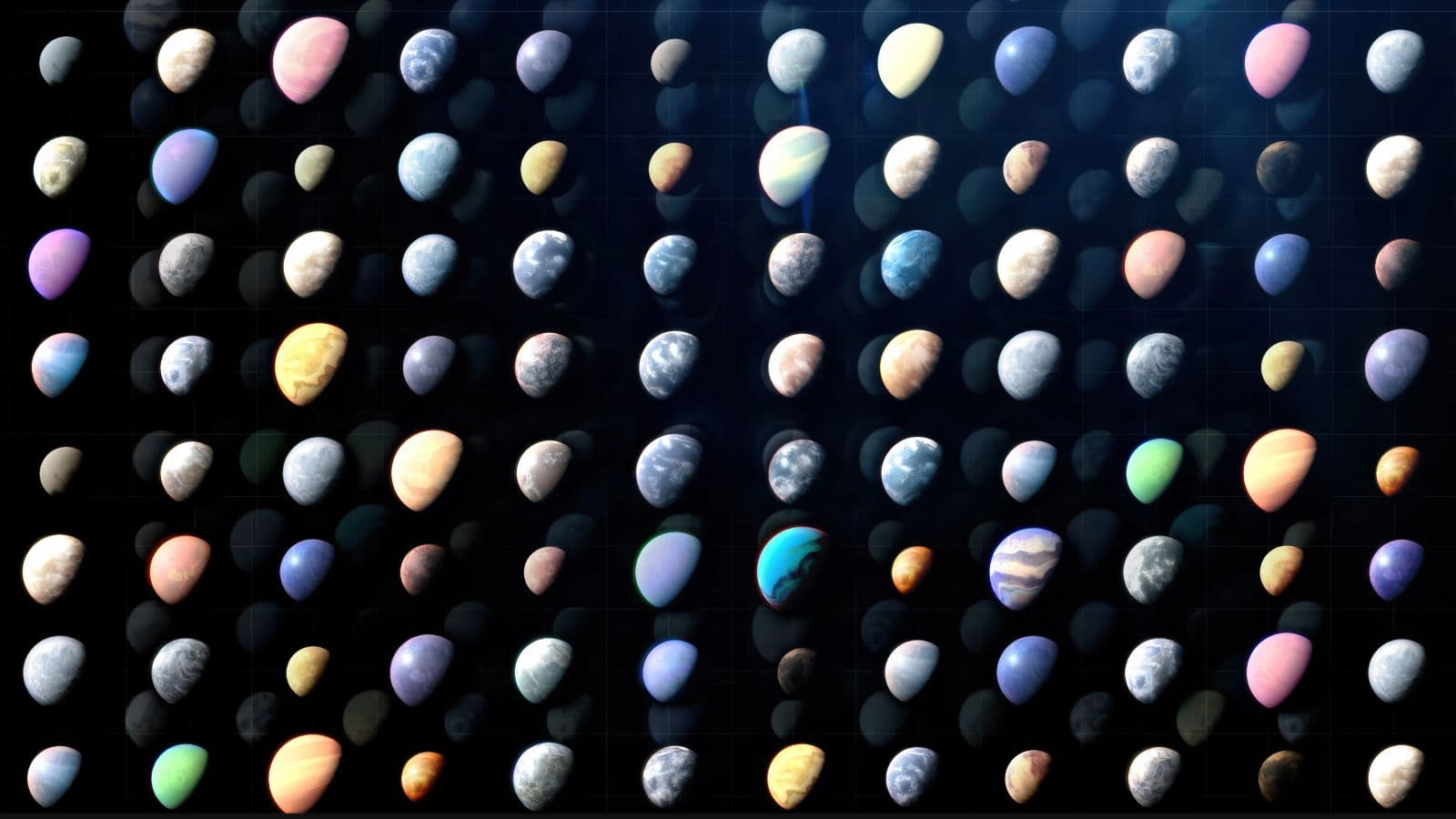
In a stunning breakthrough, scientists have identified more than 10,000 new exoplanet candidates by analyzing the light from over 80 million stars using an advanced machine learning algorithm. This discovery could nearly triple the current number of known alien worlds, reshaping our understanding of the cosmos.
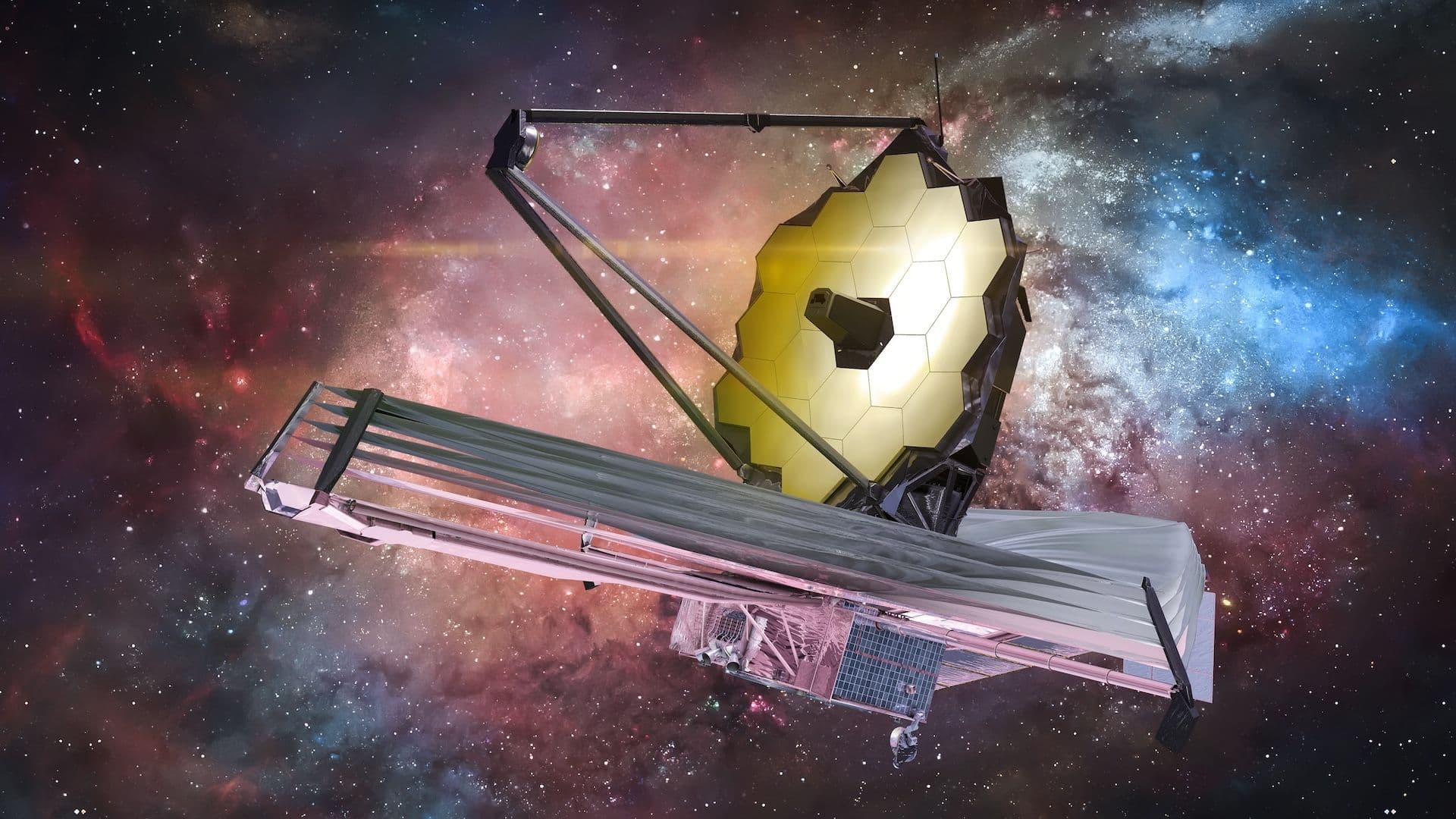
The findings come from NASA's Transiting Exoplanet Survey Satellite (TESS) data, revealing subtle signals of planets passing in front of their stars—events that were previously too faint to detect. Confirming these candidates could dramatically expand the catalog of exoplanets and open new frontiers in planetary science.
Ad
Unveiling a Hidden Treasure Trove of Exoplanets
Since the first exoplanet discovery in 1995, astronomers have steadily increased the count of confirmed alien worlds, reaching over 6,000 by late 2025. However, this new study, posted on arXiv in April 2026, reports an astonishing 11,554 exoplanet candidates identified simultaneously, with 10,052 being entirely new finds.
The research team employed a machine learning algorithm to sift through the light curves of 83,717,159 stars captured by TESS, a space telescope launched in 2018. By detecting tiny dips in starlight caused by planets transiting their stars, the algorithm uncovered signals that human analysis alone would have missed.
Ad
How Machine Learning Revolutionized Exoplanet Hunting
Traditionally, astronomers focus on the brightest stars to spot exoplanets, as their transit signals are easier to detect. This study broke new ground by analyzing much fainter stars—up to 16 magnitudes dimmer—vastly expanding the search field.
- The algorithm identified subtle brightness dips in faint stars' light curves.
- It detected multiple transits for about 87% of candidates, enabling calculation of their orbital periods ranging from 0.5 to 27 days.
- The approach allowed processing of an enormous dataset that would be impossible for humans to analyze manually.
"This work shows that large-scale, machine-learning-assisted transit searches can significantly expand the census of transiting planet candidates, particularly around faint stars."—Researchers of the T16 Planet Hunt study
Ad
Confirming the First New Exoplanet: A Hot Jupiter
To validate their findings, the team used the 21-foot Magellan telescope in Chile to confirm one candidate, a 'hot Jupiter' named TIC 183374187 b orbiting a star about 3,950 light-years away. This successful confirmation boosts confidence that many other candidates will also be verified in the future.
However, confirming all candidates will require extensive follow-up observations and independent verification, a process that could take months or years.
Ad
What This Means for the Search for Life and Future Exploration
Most of the newly identified candidates have short orbital periods, indicating they orbit very close to their stars. Such proximity likely makes them inhospitable for life as we know it, but the sheer number of discoveries opens exciting possibilities for studying planetary formation and diversity.
This breakthrough demonstrates the power of combining vast astronomical datasets with artificial intelligence, paving the way for future discoveries that could include Earth-like planets in habitable zones.