Mastering Alcohol-Free Cooking: Perfect Swaps for Every Recipe
Discover how to replace alcohol in your dishes without sacrificing flavor or texture

LAT Editorial Team

Ad
Whether you're cutting back on alcohol for health, financial reasons, or personal preference, cooking and baking with nonalcoholic alternatives is easier than you think. Understanding the role alcohol plays in a recipe is key to finding the best substitute that maintains the dish’s intended flavor and texture.
From tenderizing meat to enhancing flavors, alcohol serves various purposes in cooking. This guide breaks down how to identify alcohol’s function in your recipes and offers practical, flavorful swaps to keep your meals delicious and alcohol-free.
Ad
Why Alcohol Matters in Cooking
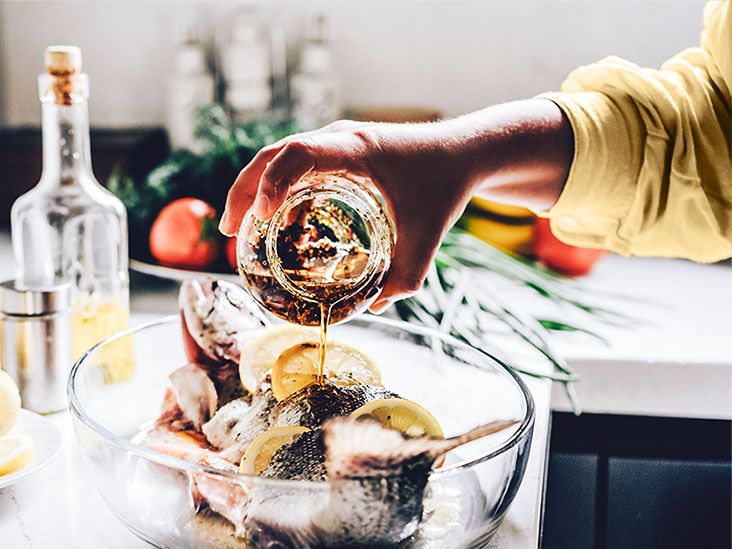
Alcohol isn’t just added for taste; it can chemically alter food, such as tenderizing meat in marinades or helping bread rise through yeast content. Recognizing these roles helps you choose the right nonalcoholic alternative that mimics the original effect.
Ad
Smart Swaps for Meat Marinades and Yeast-Based Recipes
Acidic alcohols like wine tenderize meat by breaking down proteins. Nonalcoholic acidic substitutes such as lemon or lime juice, sparkling juice, or diluted vinegar can replicate this effect. For yeast-based recipes that use beer or stout, adding gluten-free yeast can maintain the rising effect without alcohol.
- Use lemon or lime juice for acidity in marinades
- Try sparkling juice or nonalcoholic cider for flavor and acidity
- Dilute vinegar carefully to avoid overpowering flavors
- Add gluten-free yeast to replace beer in bread recipes
Ad
Matching Flavors: From Sweet Liqueurs to Robust Wines
Alcohol often adds distinct flavors, from the sweetness of liqueurs to the tartness of wines. Nonalcoholic extracts, fruit juices, and vinegars can closely mimic these profiles. For example, red wine can be swapped with red wine vinegar or red grape juice, while almond extract can replace amaretto.
- Red wine → red wine vinegar or red grape juice
- White wine → white wine vinegar or white grape juice
- Stout → nonalcoholic coffee or chocolate-flavored extracts
- Amaretto → alcohol-free almond extract
- Bourbon → vanilla extract diluted with water
Ad
Navigating Alcohol Traces in Extracts and Vinegars
Many extracts and vinegars are made through fermentation and may contain trace amounts of alcohol. If you’re avoiding alcohol completely, seek out alcohol-free extracts made with glycerin and be mindful of vinegar’s fermentation origins.
“If you’re trying to avoid alcohol altogether, it helps to be aware that some products like yeast breads and vinegars may contain trace amounts of alcohol.”—Cooking Experts
Ad
Quick Reference: Common Alcohol Substitutes
- Light beer → nonalcoholic light beer, ginger ale, or broth
- Dark beer → nonalcoholic dark beer, beef broth, or root beer
- Brandy → white grape juice or fruit-flavored juices
- Champagne → champagne vinegar, ginger ale, or sparkling grape juice
- Kirsch → cherry syrup or other berry juices
- Coffee liqueur → coffee extract or strong coffee
- Sherry → orange or pineapple juice
Ad
Final Tips for Successful Alcohol-Free Cooking
When substituting alcohol, consider the amount called for in the recipe. Large quantities may require diluting strong substitutes with water, broth, or neutral juices to maintain balance. Experimentation is key to finding the perfect match that preserves your dish’s integrity.
By understanding alcohol’s role and thoughtfully selecting alternatives, you can enjoy flavorful, alcohol-free meals that satisfy both your palate and lifestyle.