U.S. Defense Industry Booms Amid Iran Conflict and Pentagon Spending Surge
Pentagon’s record budgets and war demands fuel unprecedented growth for defense contractors

LAT Editorial Team

Anuncio
As the conflict with Iran drags on, the U.S. defense sector is experiencing a remarkable surge in business. While global tensions persist and economic uncertainty looms, defense companies are capitalizing on massive Pentagon orders to replenish depleted weapons and munitions stocks.
This boom is driven not only by the ongoing Middle East conflict but also by a historic increase in defense budgets under the Trump administration, signaling a long-term expansion for military contractors amid rising global security concerns.
Anuncio
Pentagon’s Record-Breaking Budgets Drive Industry Growth
The U.S. Department of Defense is flush with funds, thanks to Congress approving a record $901 billion for 2026 and President Trump’s proposed $1.5 trillion budget for 2027—a staggering 40% increase. This budget includes billions for new ships, jets, and missile defense systems, but it doesn’t fully cover the escalating costs of the Iran conflict, which has already prompted requests for an additional $200 billion.
“It takes money to kill bad guys.”—Pete Hegseth, Pentagon official
Anuncio
Defense Contractors Rake in Billions Amid Rising Demand
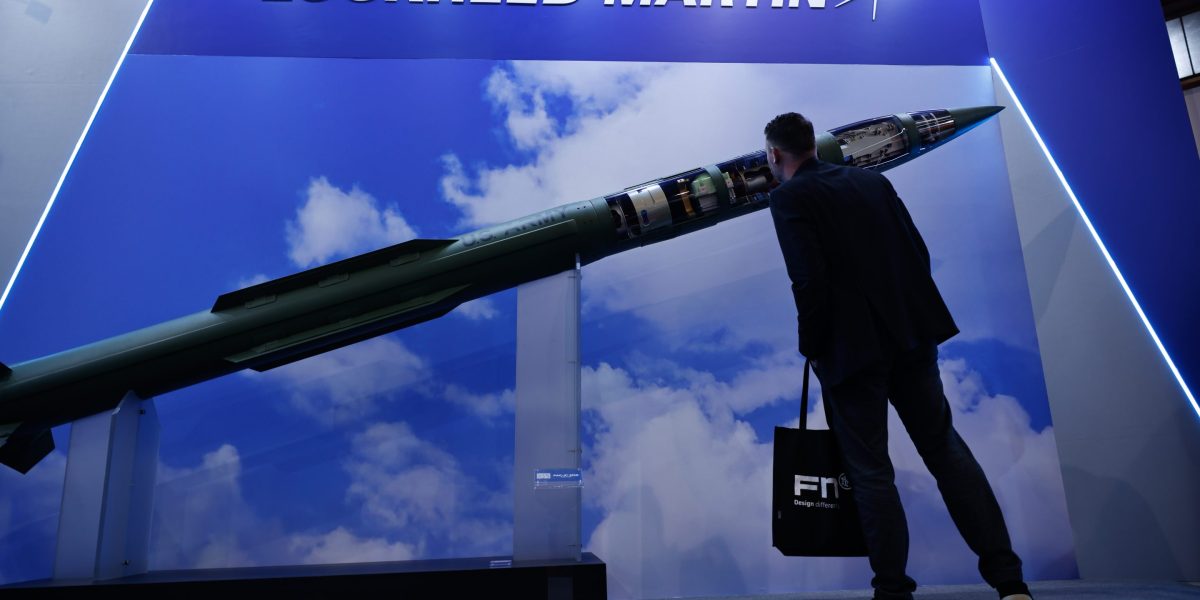
Defense giants like Lockheed Martin, RTX, Boeing, General Dynamics, and Northrop Grumman are thriving, with combined contracts totaling $771 billion between 2020 and 2024. Lockheed Martin alone reported a record $194 billion in expected orders, while RTX ended 2025 with $107 billion in backlogs. These backlogs indicate that new orders are arriving faster than companies can fulfill existing commitments.
- Lockheed Martin CEO Jim Taiclet calls this a “golden opportunity” due to government prioritization.
- Defense firms are replenishing stocks depleted by the Iran conflict and commitments to allies like Ukraine.
- The Pentagon’s increasing reliance on private contractors has grown from 41% in the 1990s to 54% today.
Anuncio
Global Defense Spending Trends and Future Outlook
European defense budgets are also on the rise, projected to reach €800 billion by 2030. While U.S. companies may face challenges competing in Europe due to new regulations and emerging local firms, domestic demand remains robust. The depletion of half the U.S. military’s most expensive missile stocks in the early weeks of the Iran conflict highlights the urgent need for restocking, a process expected to take one to four years.
This sustained demand positions U.S. defense contractors for continued growth, as they work to rebuild military readiness and meet evolving global security challenges.