Australia’s Social Media Ban for Teens Faces Widespread Evasion and Raises Effectiveness Concerns
Despite strict restrictions, many Australian teens continue accessing social media, sparking debate on the ban’s impact and future

LAT Editorial Team

Anuncio
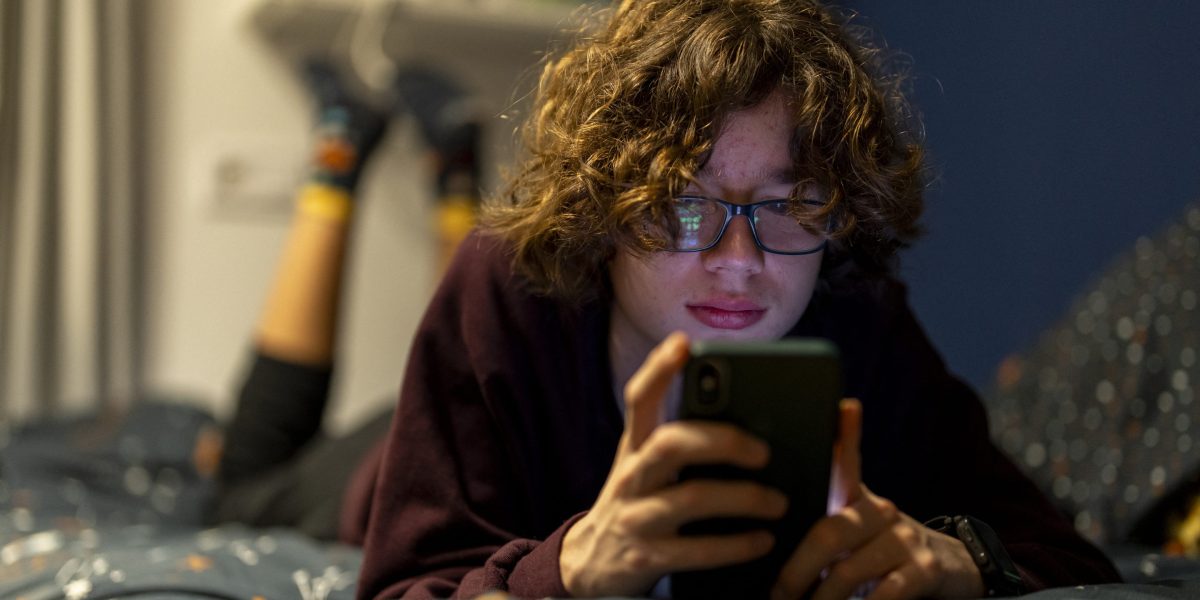
Australia’s groundbreaking ban on social media use for children under 16 has not stopped determined teens from finding ways around the restrictions. New research reveals that over 60% of teens who had accounts before the ban still access platforms like TikTok, Instagram, and YouTube through various workarounds.
This widespread circumvention challenges the effectiveness of Australia’s policy, which has become a test case for other countries considering similar measures. Experts warn that without addressing why teens use social media, bans alone may fall short of protecting young users’ mental health.
Anuncio
How Teens Are Outsmarting the Ban
Following the ban’s rollout, Australian teenagers quickly devised methods to bypass age verification and account restrictions. Some use family members’ biometric data, like a mother’s face ID, to log in. Others employ VPNs to mask their location or even use printed mesh face masks to trick facial recognition software.
A recent survey by the Molly Rose Foundation found that more than half of under-16 users retained access to social media platforms, with many reporting no action taken by these companies to deactivate pre-existing accounts.
Anuncio
Why Australia Took the Bold Step to Restrict Social Media
The ban stems from growing evidence linking prolonged social media use to mental health issues among adolescents, including anxiety, depression, and body image concerns. A 2022 study revealed nearly half of teens felt worse about their bodies due to social media exposure.
Legal actions, such as a recent New Mexico jury ruling holding YouTube and Meta liable for addictive features harmful to youth mental health, underscore the urgency behind such policies. However, experts emphasize the complexity of social media’s impact, noting it can also foster belonging and self-discovery, especially for marginalized groups.
Anuncio
Experts Question the Ban’s Effectiveness but See Potential
Psychiatry professor Jacqueline Nesi highlights that the effects of social media vary widely among adolescents depending on usage patterns. She argues that while the current implementation of the ban may be ineffective, the concept itself isn’t necessarily misguided.
Advocates caution that bans might discourage platforms from enhancing child safety features and could push young users toward unregulated, riskier online spaces. For a ban to succeed, policymakers must understand and address the underlying reasons teens seek social media, such as autonomy, social connection, and entertainment.
- Provide alternative offline opportunities for socialization and independence
- Develop safer, regulated digital spaces tailored for youth
- Encourage platforms to implement robust child safety measures
- Engage teens in policy design to meet their needs effectively
Anuncio
Looking Ahead: What’s Next for Social Media Regulation?
As Australia intensifies scrutiny of major social media companies for compliance, other nations watch closely. Countries like the UK, France, and Spain are considering similar restrictions, while several U.S. states debate legislation to limit minors’ social media use.
The evolving debate underscores the need for balanced approaches that protect youth mental health without ignoring their social and developmental needs. Future policies may require a combination of regulation, education, and innovation to create safer digital environments for young users.