US Plans Troop Withdrawal from Germany Spark NATO Concerns and Diplomatic Tensions
Germany braces for US troop cuts amid alliance unease and rising geopolitical friction

LAT Editorial Team

Anuncio
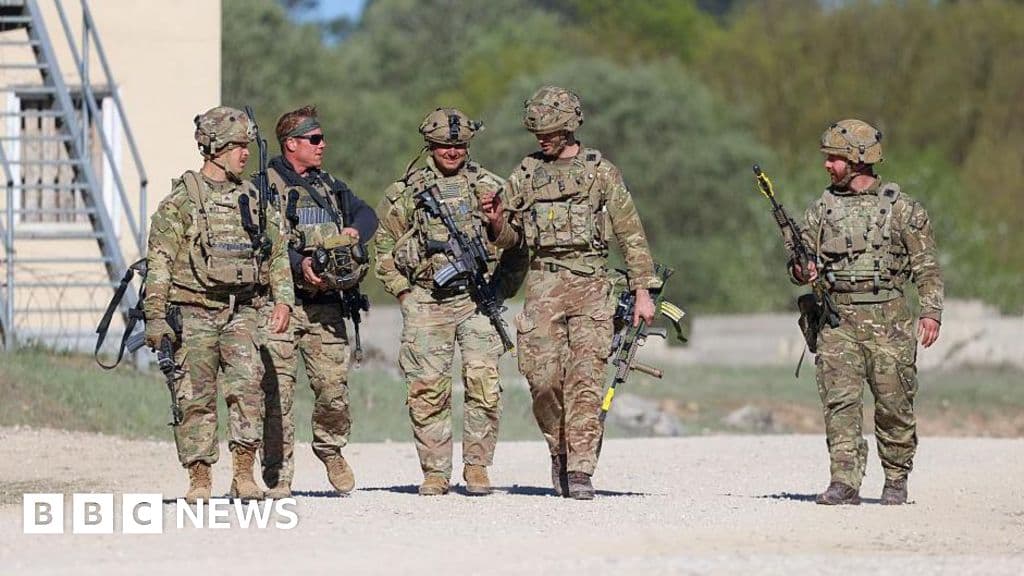
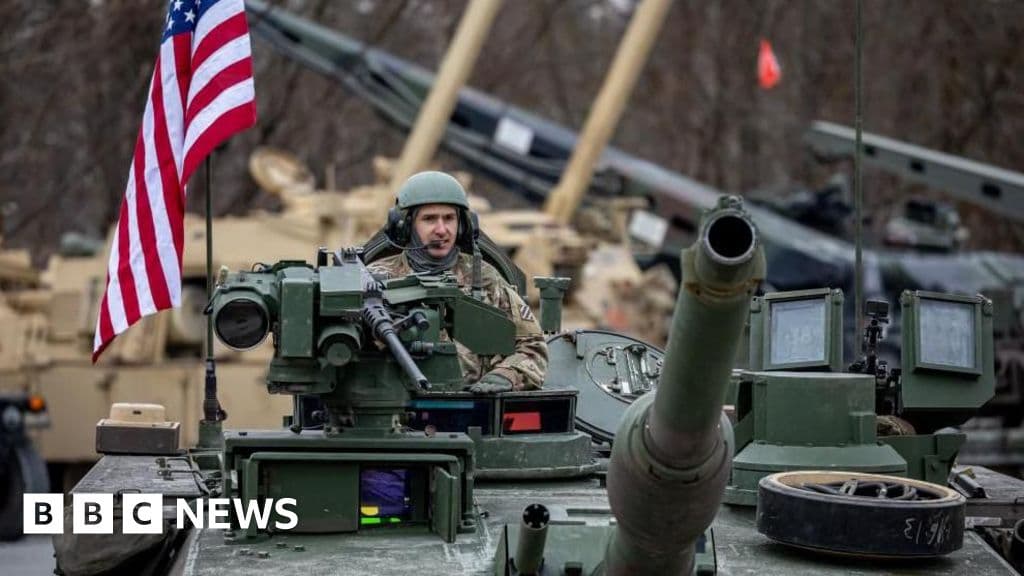
Germany’s Defence Minister Boris Pistorius has acknowledged the US decision to withdraw 5,000 troops from German soil as 'foreseeable,' while NATO seeks detailed explanations from Washington. The move marks a significant shift in US military presence in Europe, where over 36,000 American troops are currently stationed.
This development comes amid escalating tensions between US and German leadership, with NATO allies worried about the potential weakening of transatlantic security. The troop reduction follows a series of disputes involving US President Donald Trump and German Chancellor Friedrich Merz, highlighting broader challenges within the alliance.
Anuncio
US Troop Withdrawal: What’s Behind the Decision?
The US plans to pull 5,000 troops out of Germany over the next six to twelve months, a move ordered by Defence Secretary Pete Hegseth. This reduction is part of a broader strategy to shift US military focus from Europe to the Indo-Pacific region, following previous troop cuts in Romania and suggestions to reduce forces in Italy and Spain.
The decision was announced shortly after a public spat between President Trump and Chancellor Merz, who criticized the US for being 'humiliated' by Iranian negotiators. Trump responded sharply, accusing Merz of supporting Iran’s nuclear ambitions, intensifying diplomatic strains.
Anuncio
NATO’s Response and European Security Concerns
NATO spokeswoman Allison Hart confirmed the alliance is actively working with the US to understand the troop withdrawal’s implications. She emphasized that the move highlights the urgent need for Europe to increase its defense spending and take greater responsibility for collective security.
- US currently has over 36,000 troops in Germany, the largest European deployment.
- Troop reductions also proposed in Italy and Spain.
- Germany’s defense budget is set to rise to €105.8 billion by 2027, surpassing NATO’s 2% GDP target.
- NATO allies agreed to invest 5% of GDP in defense at the 2023 Hague summit.
"The presence of American soldiers in Europe, and particularly in Germany, is in our interest and in the interest of the US."—German Defence Minister Boris Pistorius
Anuncio
Political Fallout and Alliance Stability
The troop withdrawal has sparked concern among NATO members and US lawmakers alike. Polish Prime Minister Donald Tusk warned that the alliance faces a greater threat from internal disintegration than external enemies. Meanwhile, Republican senators Roger Wicker and Mike Rogers expressed worry that reducing forces in Europe could undermine US deterrence.
"Rather than withdrawing forces from the continent altogether, it is in the US interest to maintain a strong deterrent in Europe."—Senator Roger Wicker and Representative Mike Rogers
Anuncio
Looking Ahead: What This Means for NATO and Transatlantic Relations
As NATO navigates this challenging period, the alliance’s cohesion and future strategy remain in focus. Germany’s increased defense spending signals a commitment to shoulder more responsibility, but the US troop cuts raise questions about the long-term balance of power in Europe.
With tensions between Washington and Berlin simmering, and Iran-related conflicts influencing diplomatic dynamics, NATO’s ability to maintain unity and deterrence will be critical in the months ahead.