The Ancient Tree That Anchored a Ghanaian Family’s Journey Through Centuries
A centuries-old tree in Apam tells a story of migration, survival, and heritage along Ghana’s coast.

LAT Editorial Team

Anuncio
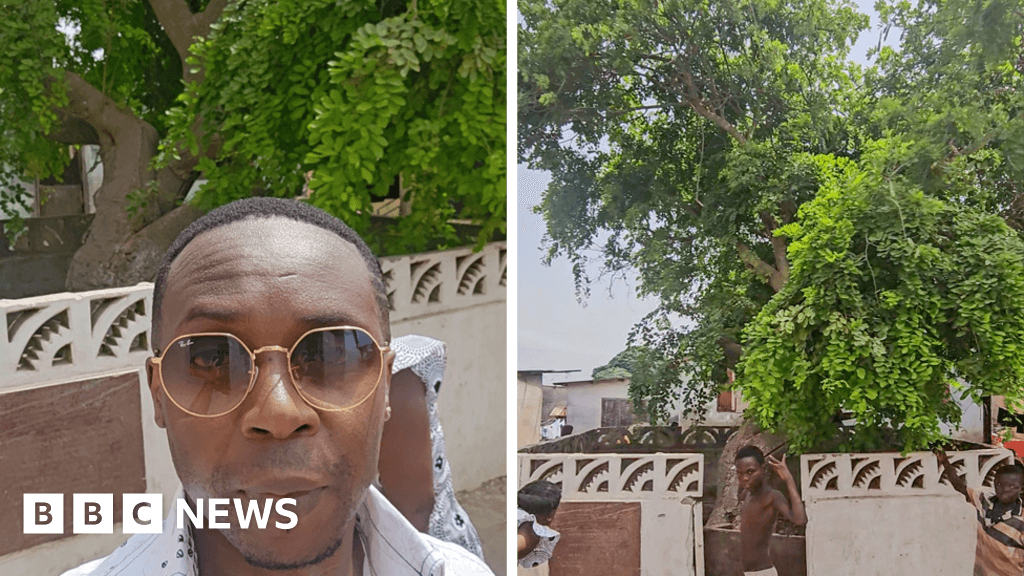
In the coastal town of Apam, Ghana, a solitary tree quietly stands between two historic landmarks, embodying a rich family legacy that dates back hundreds of years. Planted by a royal ancestor, this tree—known as Santseo—became the living symbol of a community’s search for home and survival.
More than just a natural landmark, Santseo represents a unique link to Ghana’s pre-colonial past, spiritual traditions, and the resilience of a people whose story has been passed down through generations. Its survival offers a rare glimpse into African history that predates written records and colonial influence.
Anuncio
A Tree Rooted in Royal and Spiritual Legacy
Santseo, meaning 'Under' in the Fanti language, was planted in the 13th century by Nana Asumbia, a royal and spiritual leader from the Akwamu Kingdom. Oral history recounts how she led her people westward, planting seedlings at each stop to test if the land was suitable for settlement. The survival of the Santseo tree marked the place where her people finally made their home.
Anuncio
The Journey West: Trials and Signs from Nature
The group’s migration was marked by a series of stops where they planted trees to determine their fate. If a tree thrived, it signaled a place to settle; if it withered, they moved on. This method of using nature as a guide highlights the deep connection between the community and their environment, culminating in the successful planting of Santseo near Apam.
- First stop: Otublohum in Accra, where descendants still live.
- Second stop: Gomoa Buduburam, where the tree failed to survive.
- Final stop: Apam, where the Santseo tree took root and the community settled.
Anuncio
Santseo Amidst Ghana’s Layers of History
Today, Santseo stands between Fort Patience, a relic of Dutch colonial trade, and the Apam Methodist Church, symbolizing the spread of Christianity. The tree predates both, serving as a living testament to indigenous history and spiritual traditions that shaped the region long before European influence.
"Our people settled here even before the Dutch built the fort."—Emmanuel Arkoful, local historian
Anuncio
Preserving Memory in a Changing World
While the spiritual significance of Santseo has diminished with the rise of Christianity, the tree remains a cherished family symbol. Efforts to care for it are cautious, as some fear it might be mistaken for idol worship. This tension reflects broader challenges in honoring ancestral heritage while embracing modern beliefs.
Anuncio
A Living Legacy and Future Connection
Decades ago, descendants journeyed back to Akwamufie, reconnecting with their origins in a heartfelt celebration. Today, Santseo continues to witness the rhythms of Apam’s fishing community, standing as a resilient symbol of endurance, identity, and the unbroken thread of history that links past and present.