Indian Dalit Man’s Death in Police Custody Sparks Outcry and Demand for Justice
Family awaits arrests amid allegations of brutal torture and systemic police abuse in Tamil Nadu

LAT Editorial Team

Anuncio
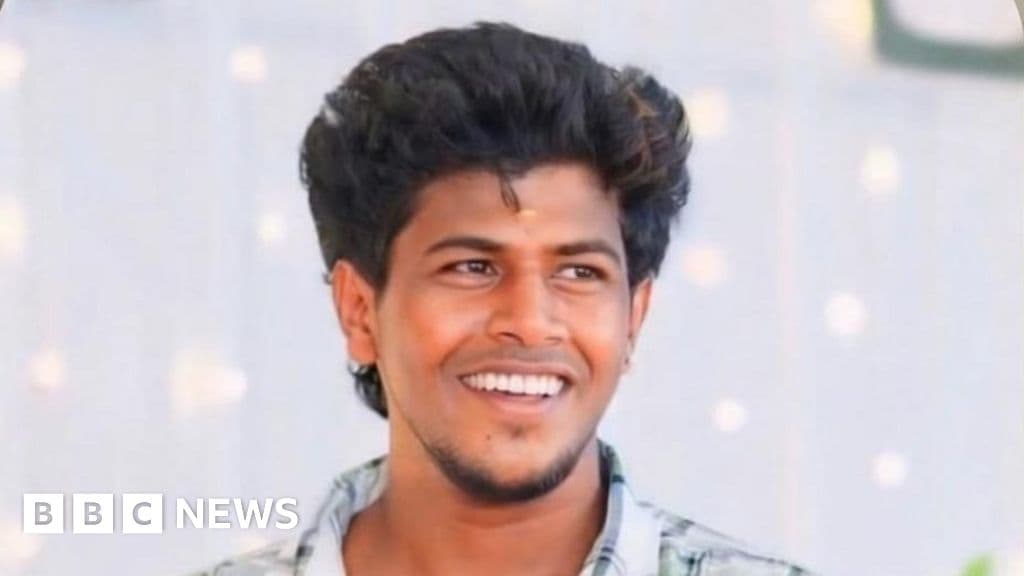
Akash Delison, a 26-year-old Dalit man from Tamil Nadu, died in hospital two days after being arrested, with his family alleging he was brutally tortured by police. Despite his death on March 8, his body remains in the morgue as his parents demand the arrest of the officers responsible before performing his last rites.
This case highlights ongoing concerns about custodial deaths and police brutality in India, especially targeting marginalized communities. It has triggered protests and government action, but also underscores the urgent need for systemic reforms to prevent such tragedies.
Anuncio
The Tragic Death of Akash Delison and Family’s Fight for Justice
Akash Delison and his friend Gopi were arrested in connection with a criminal case. Akash died two days later in hospital, with his family alleging severe torture while in custody. Police deny these claims, stating Akash was injured after jumping off a bridge while fleeing. Following public outrage, six officers were suspended and a top anti-crime agency investigation was launched.
Anuncio
A Pattern of Custodial Deaths in Tamil Nadu and Beyond
Akash’s death is the third reported custodial death in Tamil Nadu this year. Earlier cases include Ajith Kumar, who died in police custody after being falsely accused, and a 2020 case where nine officers were sentenced to death for custodial killings. Across India, 170 custody deaths were recorded between 2025 and 2026, with states like Bihar, Rajasthan, and Uttar Pradesh reporting the highest numbers.
Anuncio
International Alarm Over Police Torture and Extrajudicial Killings
Global organizations have raised serious concerns about India’s high rates of police torture and extrajudicial killings, especially targeting marginalized groups such as Dalits, Adivasis, Muslims, and LGBTQIA+ individuals. The UN has called for independent investigations into hundreds of such deaths and criticized the normalization of ‘encounter’ killings, where police confrontations often result in suspicious deaths or injuries.
"Incidents involving severe beatings, forced confessions and custodial deaths frequently occur, particularly targeting marginalized communities,"—Global Torture Index 2026
Anuncio
Challenges in Holding Police Accountable and the Road Ahead
Lawyers and activists stress that while individual accountability is crucial, systemic reforms are needed to end custodial torture. Weak enforcement of constitutional safeguards, heavy caseloads, and understaffing hinder progress. Experts urge magistrates and police to prioritize human rights and question the necessity of custody. The UN has also called on India to ratify the Convention Against Torture to criminalize torture explicitly.
"Magistrates must be vigilant for signs of torture or forced confessions when the accused is presented in court,"—Legal consultant Anupama Arigala
Meanwhile, Akash’s family continues to wait for justice, refusing to perform his last rites until those responsible are held accountable. Their painful stand has drawn support from Dalit organizations and human rights groups, shining a spotlight on the urgent need to address police brutality in India.