Deadly Israeli Strikes in Lebanon Shatter Fragile Ceasefire Amid Rising Tensions
14 killed in southern Lebanon as Israel and Hezbollah exchange attacks despite ceasefire agreement

LAT Editorial Team

Anuncio
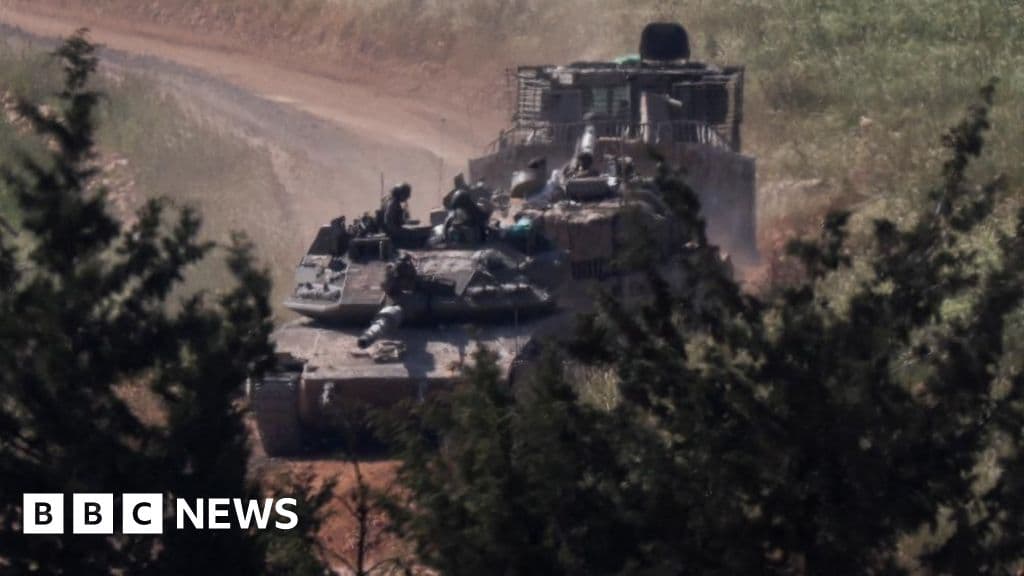
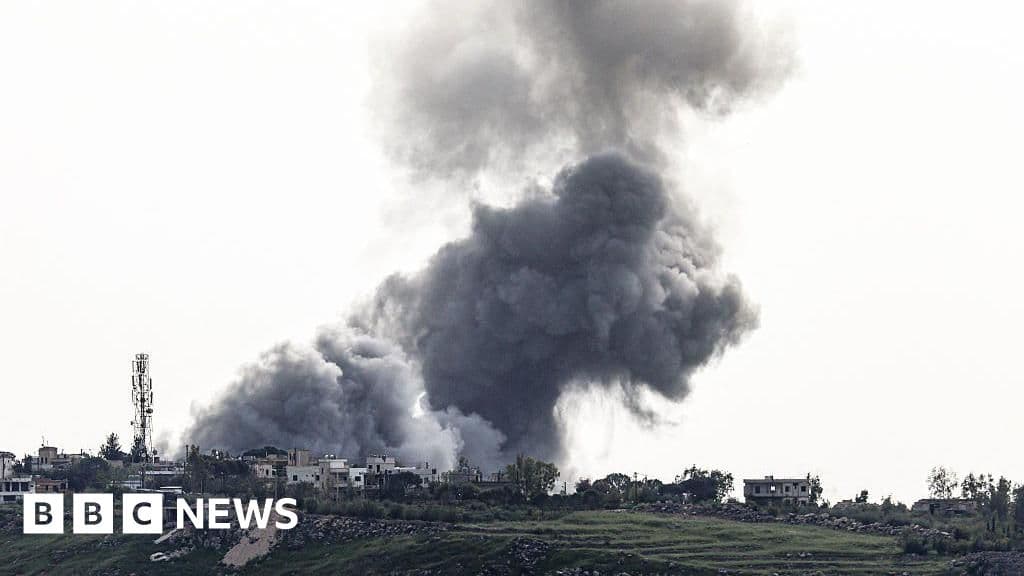
Israeli military strikes in southern Lebanon have resulted in the deaths of 14 people, including two children and two women, with dozens more injured. The attacks targeted Hezbollah positions amid escalating hostilities, despite a fragile ceasefire that has been in place since mid-April.
This surge in violence threatens to unravel the tenuous peace between Israel and Lebanon, as both sides accuse each other of violating the ceasefire. The conflict underscores the ongoing volatility in the region and the challenges of maintaining stability amid deep-rooted tensions.
Anuncio
Details of the Deadly Strikes and Immediate Aftermath
Lebanon's Ministry of Health confirmed that Israeli air and artillery strikes killed 14 people and injured 37 in southern Lebanon. The Israel Defense Forces (IDF) had issued urgent evacuation orders for several villages, warning residents that remaining in the area would endanger their lives. The strikes targeted Hezbollah operatives and infrastructure allegedly used to launch attacks against Israeli forces.
In a related incident, a 19-year-old Israeli soldier was killed and six others wounded by a Hezbollah drone attack. The IDF also intercepted three drones launched by Hezbollah towards Israel, preventing them from crossing the border.
Anuncio
Ceasefire Under Strain: What Both Sides Are Saying
The current ceasefire, effective since April 16 and recently extended by three weeks, is showing signs of collapse. Israeli Prime Minister Benjamin Netanyahu emphasized that the IDF is actively responding to threats, stating, "We are acting vigorously according to the rules we agreed upon with the United States, and incidentally, with Lebanon as well." He accused Hezbollah of undermining the ceasefire through continued aggression.
Hezbollah's actions are disintegrating the ceasefire. We have the freedom to respond and neutralize emerging threats.—Israeli Prime Minister Benjamin Netanyahu
Hezbollah and Israel have repeatedly accused each other of ceasefire violations, with both sides launching attacks since the agreement took effect. On Saturday, Netanyahu ordered intensified military operations against Hezbollah targets, resulting in at least six deaths in southern Lebanon.
Anuncio
Regional Diplomacy and the Broader Geopolitical Context
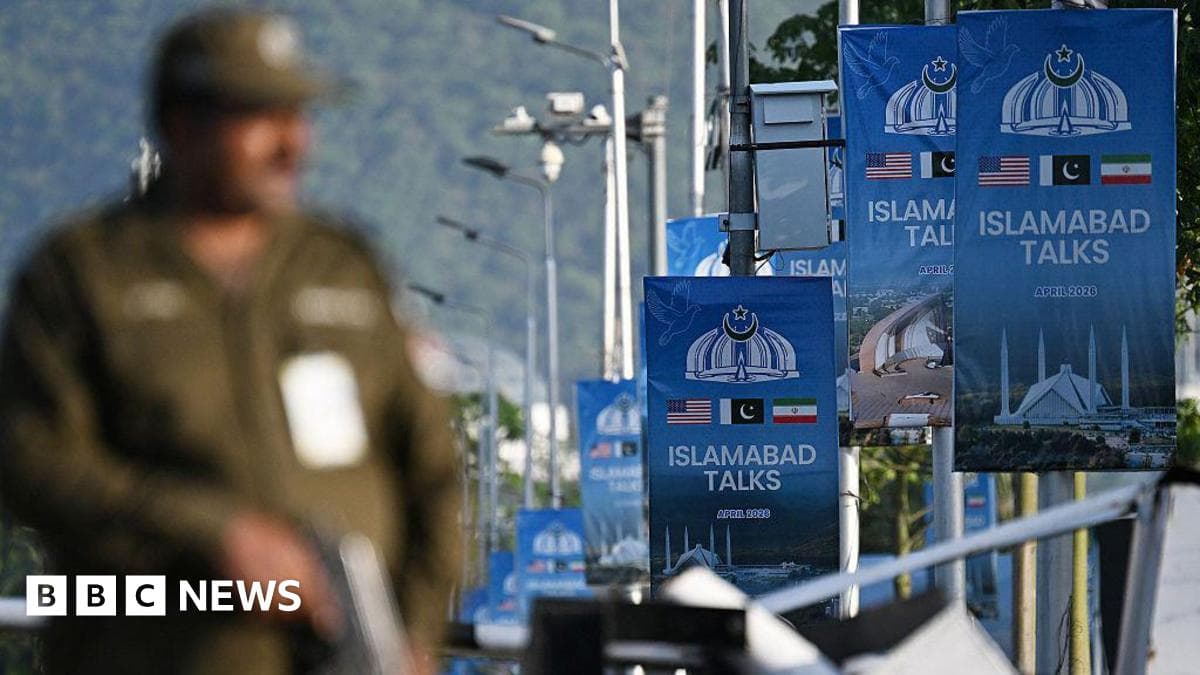
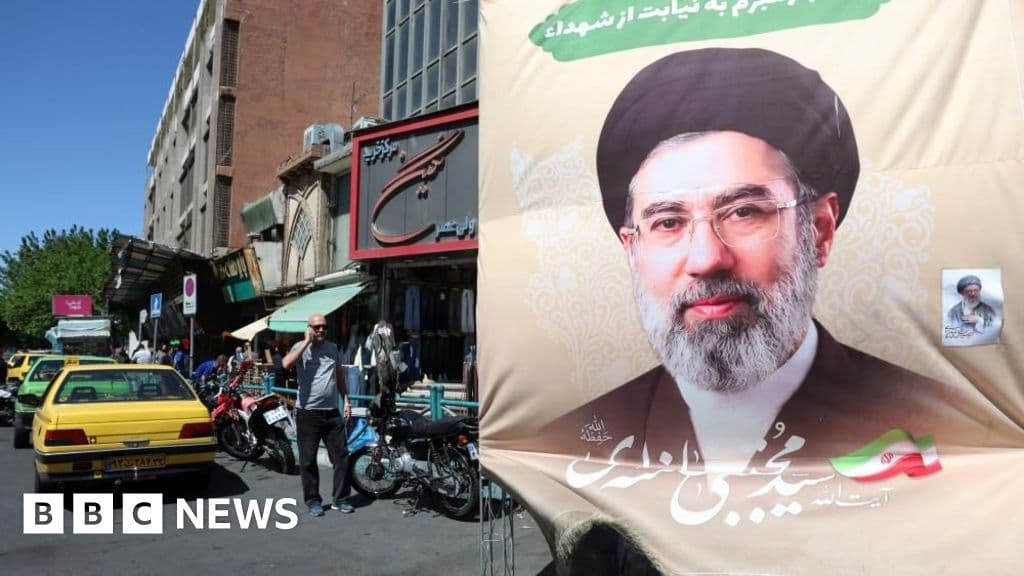
Amid the escalating conflict, Iran's Foreign Minister Abbas Araghchi returned to Pakistan to outline Tehran's approach to resuming peace talks with the United States. This follows a recent extension of the ceasefire by US President Donald Trump to facilitate ongoing negotiations.
- Araghchi's regional tour included talks in Islamabad with Pakistani mediators.
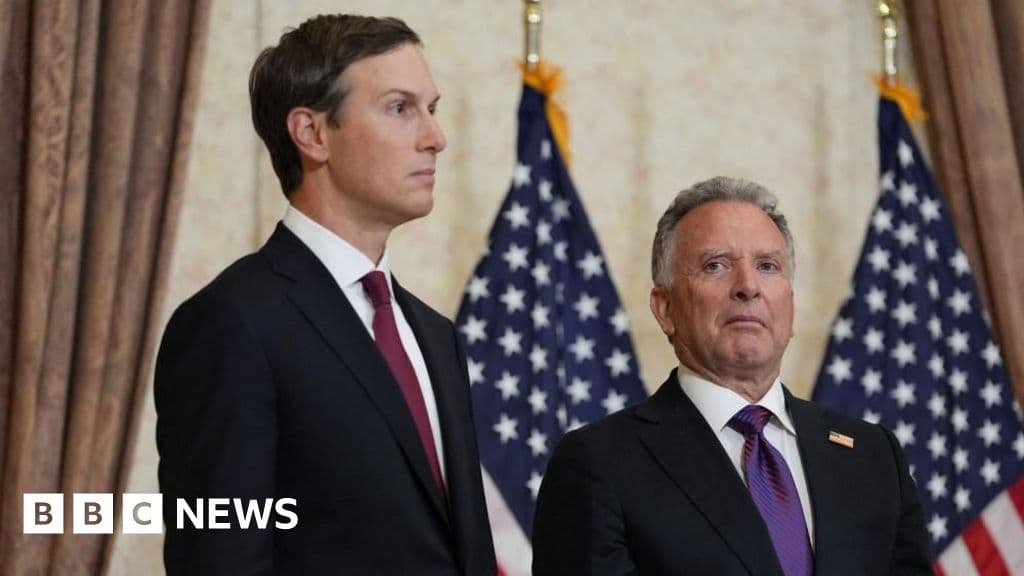
- The US canceled a planned envoy visit to Pakistan amid diplomatic uncertainties.
- Tehran remains cautious about Washington's commitment to diplomacy.
- Araghchi is scheduled to meet Russian President Vladimir Putin in Moscow.
Anuncio
What Lies Ahead for Israel and Lebanon?
The recent surge in violence highlights the fragility of the ceasefire and the persistent threat of wider conflict. Both Israel and Hezbollah appear poised to continue their military posturing, with Israel asserting its right to preemptive action and Hezbollah maintaining its resistance stance.
The international community's role in mediating and supporting diplomatic efforts will be crucial in preventing further escalation. The coming weeks will be critical in determining whether the ceasefire can hold or if the region will slide back into open conflict.