Urgent Action Needed as Colorado River Faces Historic Water Crisis Threatening 40 Million People
Despite major conservation efforts, cities like Phoenix and Las Vegas confront worsening water shortages amid a 25-year megadrought.

LAT Editorial Team

Anuncio
The Colorado River, a vital water source for 40 million people across seven states, is facing unprecedented shortages that could begin as early as this summer. Cities such as Denver, Phoenix, and Las Vegas have already cut water use dramatically, but new research shows these efforts alone won’t prevent catastrophic shortages.
With snowpack levels at record lows and spring runoff expected to be minimal, experts warn that the region must adopt bolder, systemic changes beyond urban conservation to adapt to a hotter, drier future and avoid severe water crises.
Anuncio
Record-Low Snowpack Signals Dire Water Shortages Ahead
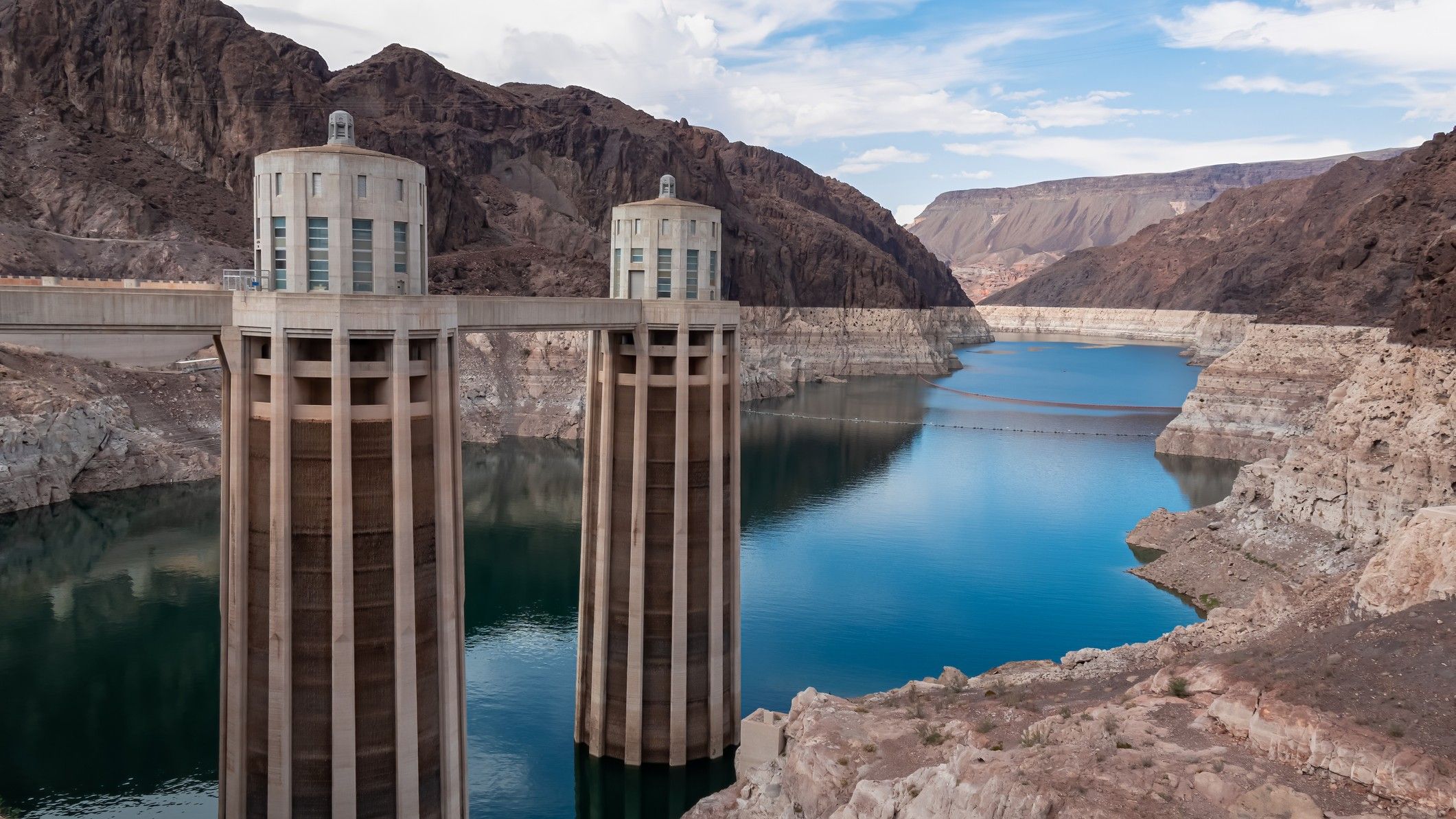
Lake Mead, which supplies water to nearly 25 million people including Las Vegas and Los Angeles, is projected to drop to just 20% capacity this year. This alarming decline is driven by a 25-year megadrought intensified by climate change, with river flows shrinking by 20% between 2000 and 2019.
Winter snow melted early this year, reducing spring runoff into the Colorado River to historic lows. Without significant precipitation, reservoirs risk falling to levels that could halt hydroelectric power generation and disrupt water delivery.
Anuncio
Cities Have Cut Water Use, But It’s Not Enough
Urban centers have made impressive strides, reducing per capita water consumption by up to 58% since 2002. Las Vegas incentivizes desert landscaping and recycles 40% of its water back to Lake Mead, while Denver sources half its water from the river.
However, studies show that even a 25% reduction in city water use will not compensate for the river’s declining flows under most climate scenarios. As assistant professor Renee Obringer explains, “We can’t just tell residents to use less water — it won’t be enough to prevent shortages.”
Anuncio
Agriculture: The Largest Water Consumer and Key to Solutions
Agriculture accounts for over 70% of water use in the Colorado River basin, dwarfing urban consumption. Crops like alfalfa, cotton, and leafy greens require vast amounts of water, and farmers hold senior water rights that guarantee their allocations even during shortages.
Experts emphasize that meaningful water savings must come from agriculture through improved irrigation methods like drip irrigation, crop switching to less thirsty plants, and fallowing fields. Yet economic factors and long-term contracts complicate rapid changes.
- Drip irrigation can reduce water use by up to 50% compared to flood irrigation.
- Replacing alfalfa with low-water forage crops such as wheat and barley can conserve water.
- Some farmers are already letting fields go fallow to cope with shortages.
Anuncio
Water Rights and Policy Reforms Are Critical
The century-old Colorado River Compact governs water allocation but is now outdated amid shrinking supplies. Negotiations to renew the agreement have stalled, with Upper Basin states demanding cuts fall on the Lower Basin, which is already over-allocated.
Brad Udall, a senior water scientist, stresses that all states must accept reductions to balance the system. “We need to adjust this system to deal with a completely new reality of much less water flow,” he says.
“We've got to have an agreement on how to share the water we have and not pretend we live in the past.”—Brad Udall, Colorado State University
Anuncio
Facing a New Normal: What Lies Ahead for the Colorado River Basin
With reservoirs nearing critical lows and climate change intensifying droughts, the Colorado River basin faces a stark future. Immediate action is required to implement water rights reforms, expand agricultural efficiency, and develop new water sources such as desalination.
While cities continue to improve conservation, the scale of the crisis demands coordinated regional solutions and acceptance of a drier, hotter reality. Without bold measures, the water security of millions is at risk.