Unearthing Humanity's Past: Latest Archaeological Discoveries Across the Globe
From ancient DNA to mysterious artifacts, new findings reshape our understanding of human history

LAT Editorial Team

Anuncio
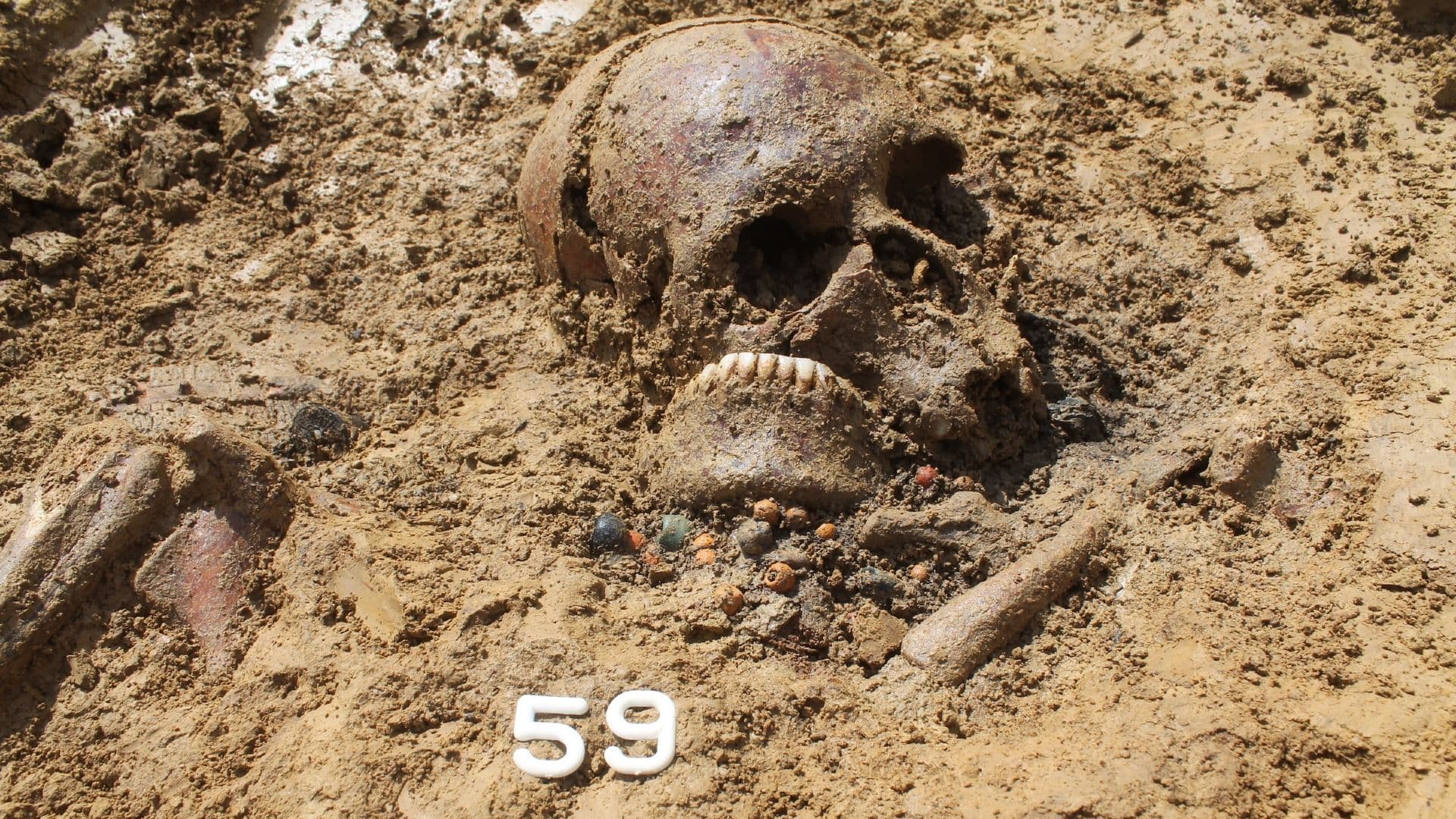
Recent archaeological research has unveiled remarkable insights into human evolution, ancient civilizations, and cultural practices worldwide. From DNA analyses revealing unexpected ancestral lineages to artifacts shedding light on rituals and daily life, these discoveries deepen our connection to the past.
Understanding these findings is crucial as they challenge previous assumptions about human adaptation, social structures, and interactions across continents. They also highlight the complexity and diversity of ancient societies, offering fresh perspectives on how humanity has evolved and thrived through millennia.
Anuncio
Revolutionary DNA Studies Rewrite Human Ancestry
Cutting-edge genetic research has uncovered a previously unknown Asian 'ghost' population that contributed to the ancestry of Indigenous peoples in the Americas. This discovery, based on nearly 200 Indigenous genomes, challenges existing narratives about migration and population mixing.
Additionally, studies of Neanderthal DNA reveal that their brain capacity was not the cause of their extinction, and that Neanderthal toddlers grew faster than modern human children, likely adapting to harsher environments. These findings provide nuanced insights into human evolution and survival strategies.
Anuncio
Artifacts Illuminate Ancient Rituals and Daily Life
Archaeologists have uncovered a 600-year-old miniature llama sculpture believed to have been used in Inca sacrificial rituals, offering a glimpse into spiritual practices of the Americas. In Spain, a 1,900-year-old souvenir cup depicting Hadrian's Wall and Roman forts was found, connecting us to the Roman Empire's reach.
- A 1,900-year-old altar dedicated to the Roman god Sol, used in secret underground ceremonies
- A 700-year-old Bolivian mummy containing the earliest evidence of strep throat bacteria in the Americas
- An Egyptian mummy with a fragment of the 'Iliad' hidden in its abdomen, revealing cross-cultural exchanges
Anuncio
Ancient Civilizations and Societal Structures Explored
DNA analysis of Roman frontier populations has revealed patterns of lifelong monogamy and the presence of 'half orphans,' shedding light on family dynamics after the fall of Rome. In Mesopotamia, gender ambiguity was used as a tool of power 4,500 years ago, indicating complex social roles.
Meanwhile, discoveries in ancient China, such as skull pits with male heads and evidence of fierce Bronze Age feuding, provide clues about ritual sacrifices and societal conflicts. These findings enrich our understanding of how ancient communities organized and governed themselves.
Anuncio
Looking Ahead: The Future of Archaeological Exploration
As technology advances, archaeology continues to uncover hidden chapters of human history. The integration of DNA analysis, artifact examination, and contextual studies promises to reveal even more about our ancestors' lives, beliefs, and adaptations.
'That's why there's 9 billion of us and not 9 billion of some other primate': Why our ability to adapt is humanity's 'superpower'—Herman Pontzer
Future research will likely focus on interdisciplinary approaches, combining genetics, anthropology, and archaeology to paint a fuller picture of humanity's journey. These discoveries not only satisfy our curiosity but also inform our understanding of resilience and cultural diversity.