SpaceX Rocket Debris Set to Crash Into the Moon This Summer: What It Means for Lunar Exploration
A discarded Falcon 9 rocket stage is predicted to impact the moon in August, highlighting growing concerns over space debris management.

LAT Editorial Team

Anuncio
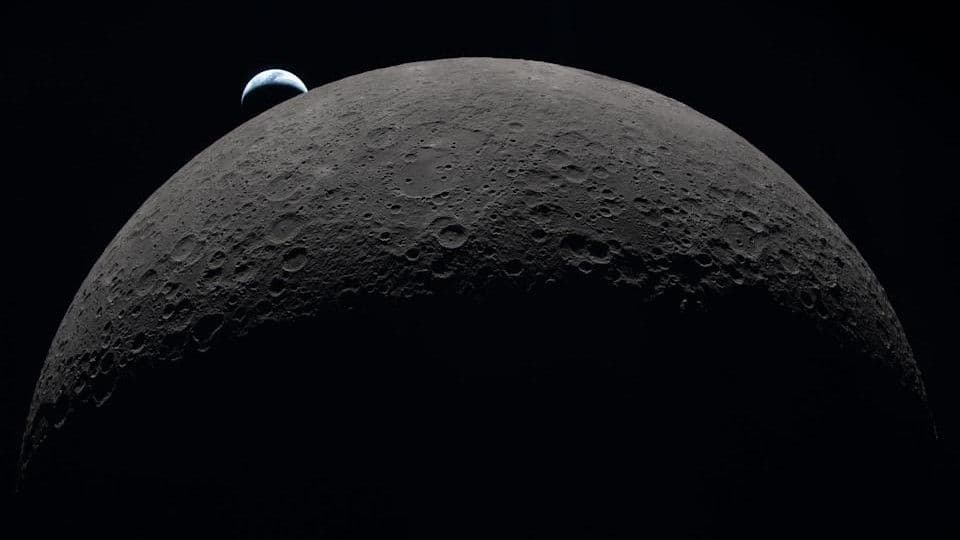
A used upper stage of a SpaceX Falcon 9 rocket, launched in early 2025, is on a collision course with the moon, expected to crash on August 5 near the Einstein crater. While the impact poses no threat to lunar missions or Earth, it underscores the increasing issue of space junk orbiting near the moon.
This event draws attention to the challenges of managing leftover space hardware as lunar exploration ramps up globally. With plans for permanent bases and more frequent missions, the risk of debris impacting the moon or interfering with future operations is becoming a pressing concern.
Anuncio
Tracking the Rogue Rocket Stage
The 45-foot-tall upper stage of the Falcon 9 rocket has been orbiting the Earth-moon system since delivering two spacecraft to the lunar surface in 2025. Astronomer Bill Gray, using his Project Pluto software, tracked the rocket's trajectory over 1,000 times, predicting with high confidence its impact near the moon's Earth-facing side at approximately 2:44 a.m. EDT on August 5.
Despite tumbling through space, the rocket's path is largely governed by gravitational forces from the Earth, moon, sun, and planets, with minor influences from solar radiation pressure. The impact speed is estimated at about 5,400 mph, roughly seven times the speed of sound on Earth.
Anuncio
Scientific Opportunities and Limitations
While the collision is unlikely to produce a visible flash from Earth, it may create a new crater that could be studied by future lunar missions. This fresh impact site offers a rare chance to analyze the effects of artificial debris on the lunar surface, potentially providing insights into crater formation and space debris behavior.
"It doesn't present any danger to anyone, though it does highlight a certain carelessness about how leftover space hardware is disposed of."—Bill Gray, Astronomer and Project Pluto Developer
Anuncio
A Growing Concern: Space Junk Near the Moon
This is not the first time a discarded rocket part has been predicted to crash into the moon. In 2022, a similar event was forecasted with remarkable accuracy. As lunar missions increase, with the U.S. planning annual launches starting in 2028 and China aiming to land astronauts by 2030, the accumulation of space debris around the moon is becoming a significant issue.
- Increased lunar missions by multiple countries
- Potential for permanent lunar bases near the south pole
- Risks of debris damaging future spacecraft or habitats
- Need for improved disposal strategies, such as sending used stages into solar orbit
Anuncio
Looking Ahead: Managing Lunar Space Debris
As humanity prepares for a new era of lunar exploration, managing space debris will be critical to ensuring safe and sustainable operations. Agencies and private companies must adopt responsible disposal methods to prevent cluttering the moon's orbit and surface with hazardous junk.
The upcoming impact serves as a reminder of the consequences of neglecting space debris management and the importance of international cooperation to protect the moon as a valuable scientific and exploration frontier.