How to Catch the Stunning Eta Aquariid Meteor Shower from Halley's Comet This Week
Peak viewing for the swift Eta Aquariid meteors occurs May 5-6, but bright moonlight may challenge observers.

LAT Editorial Team

Anuncio
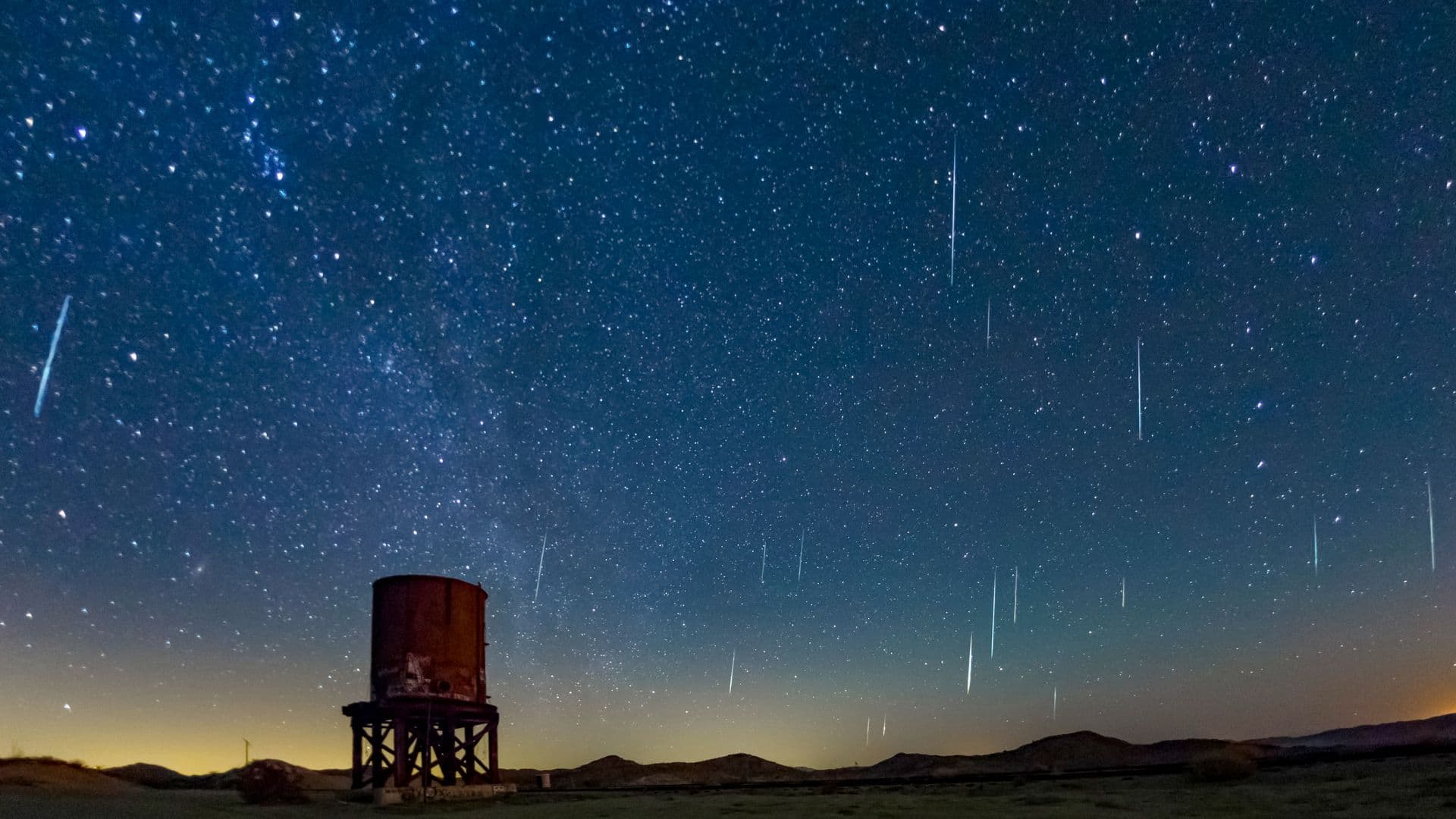
The Eta Aquariid meteor shower, fueled by debris from the iconic Halley's Comet, will reach its peak overnight on May 5-6, 2026. This annual celestial event offers skywatchers a chance to witness fast-moving meteors streaking across the sky, appearing to radiate from the constellation Aquarius.
Despite the excitement, this year's viewing will be complicated by a bright waning gibbous moon, which could reduce the number of visible meteors. Understanding the best times and locations to observe can help maximize your chances of seeing these spectacular 'shooting stars.'
Anuncio
What Are the Eta Aquariids and Their Connection to Halley's Comet?
The Eta Aquariid meteor shower occurs annually from April 19 to May 28, with meteors seeming to originate near the star Eta Aquarii in the Aquarius constellation. These meteors are actually tiny particles left behind by Halley's Comet, which orbits the sun every 76 years. Earth passes through this trail of debris twice a year, creating the Eta Aquariids in spring and the Orionids in autumn.
Anuncio
Why Are the Meteors So Fast and What Can You Expect to See?
As Earth moves through Halley's debris, particles enter our atmosphere at an incredible speed of about 40.7 miles per second (65.4 kilometers per second). This results in swift meteors with persistent glowing trails. While bright fireballs are rare, the shower can produce anywhere from 10 to 30 meteors per hour in the Northern Hemisphere, and up to 50 per hour in the Southern tropics under ideal dark skies.
- Northern Hemisphere: Meteors appear lower on the eastern horizon, often as long 'Earthgrazers'.
- Southern Tropics: Radiant rises higher before dawn, offering the best viewing conditions.
- Peak Activity: Centered around May 5-6, with strongest activity lasting about a week.
Anuncio
How Moonlight Will Affect This Year's Viewing Experience
The bright waning gibbous moon, about 84% full on the peak night, will significantly reduce visibility, potentially limiting the number of meteors seen to fewer than 10 per hour. The best viewing window is just before dawn on May 6, when the radiant is highest and the moon is lower on the horizon, improving chances to spot fainter meteors.
The moon's brightness this year will make it challenging to see many meteors, but with patience and the right timing, observers can still catch some spectacular shooting stars.—American Meteor Society
Anuncio
Tips for Watching and Photographing the Eta Aquariids
To enjoy the meteor shower, find a dark location away from city lights and allow your eyes to adjust to the darkness. Watching with the naked eye is best, as binoculars or telescopes limit your field of view. For those interested in capturing the event, a camera with astrophotography capabilities is recommended to photograph the fleeting meteors.
Anuncio
Looking Ahead: When Will Halley's Comet Return?
Halley's Comet last visited the inner solar system in 1986 and is currently traveling beyond Neptune's orbit. It will return in 2061, but until then, Earth will continue to pass through its debris trails, offering annual meteor showers like the Eta Aquariids and Orionids for skywatchers to enjoy.