El Niño Set to Return by May, Threatening to Intensify Global Heat and Weather Extremes
New forecasts warn of a strong El Niño event that could reshape summer weather worldwide.

LAT Editorial Team


Anuncio
Scientists predict the return of El Niño as early as May 2026, signaling a potential surge in global temperatures and extreme weather events. This natural climate phenomenon, part of the El Niño-Southern Oscillation (ENSO) cycle, disrupts weather patterns by warming sea surface temperatures in the Pacific Ocean.
The World Meteorological Organization (WMO) highlights that this upcoming El Niño could be a strong event, with significant impacts on agriculture, rainfall, and temperature extremes across the globe. Understanding its development is crucial for preparing for the summer season's weather challenges.
Anuncio
What is El Niño and Why Does It Matter?
El Niño is a recurring climate event occurring every two to seven years, characterized by unusually warm ocean temperatures in the central and eastern Pacific. This warming weakens trade winds and alters global weather patterns, often leading to droughts, floods, and heatwaves worldwide.
The ENSO cycle alternates between El Niño (warm phase), La Niña (cool phase), and neutral periods, each influencing global climate differently. El Niño events are known to exacerbate weather extremes and have been linked to severe agricultural disruptions and natural disasters.
Anuncio
Forecasts Signal a Strong El Niño Developing Soon
According to the WMO's Global Seasonal Climate Update released on April 21, 2026, El Niño is expected to develop between May and July. Climate models show high confidence in its onset and suggest it could intensify rapidly, potentially becoming a strong event.
"After a period of neutral conditions at the start of the year, climate models are now strongly aligned, and there is high confidence in the onset of El Niño, followed by further intensification in the months that follow.",—Wilfran Moufouma Okia, Chief of Climate Prediction, WMO
The National Oceanic and Atmospheric Administration (NOAA) also estimates a 61% chance of El Niño emerging between May and July, with a 25% chance of a very strong event starting in November.
Anuncio
Potential Global Impacts on Weather and Agriculture
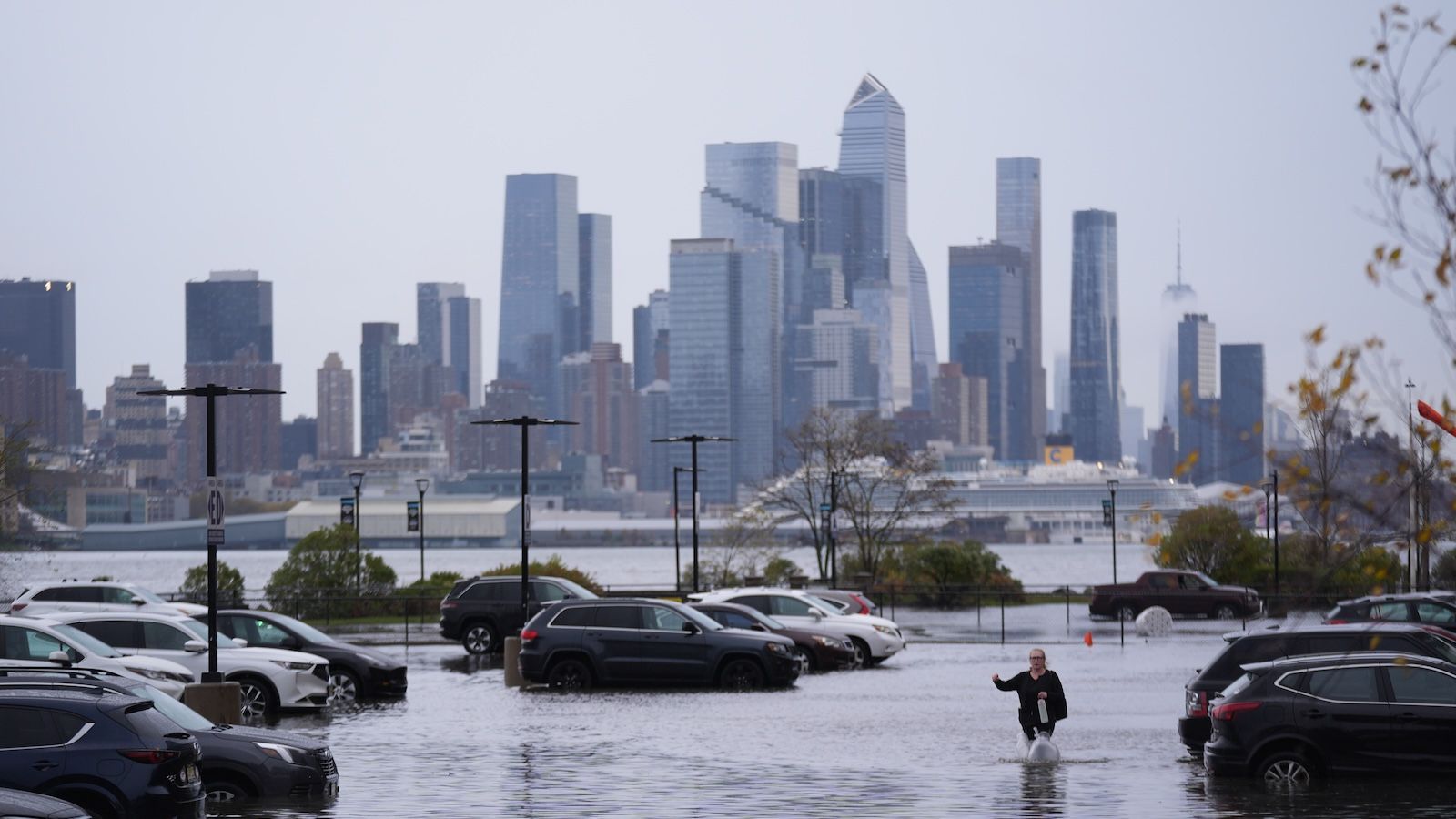
El Niño's influence extends far beyond the Pacific, affecting weather patterns worldwide. The upcoming event is expected to bring above-normal temperatures to southern North America, Central America, the Caribbean, Europe, and Northern Africa.
- Increased risk of droughts and wildfires in some regions
- Shifts in rainfall patterns, with some areas experiencing heavier rains and others drier conditions
- Disruptions to global agriculture, potentially leading to food shortages
- Elevated global temperatures, contributing to record-breaking heatwaves
Past El Niño events have been linked to famine, civil unrest, and environmental disasters, underscoring the importance of monitoring and preparing for its effects.
Anuncio
Looking Ahead: What to Expect This Summer and Beyond
The WMO plans to release an updated El Niño forecast in late May, which will provide more precise predictions as the event develops. Meanwhile, governments and communities worldwide are urged to prepare for the potential impacts on agriculture, water resources, and disaster management.
With 2024 already marked as the hottest year on record, the return of El Niño could push global temperatures even higher, intensifying the urgency to address climate resilience and adaptation strategies.