DNA Unveils Surprising Insights into Life on the Roman Frontier After Empire's Fall
Ancient burials in southern Germany reveal monogamy, orphanhood, and rising life expectancy post-Rome

LAT Editorial Team

Anuncio
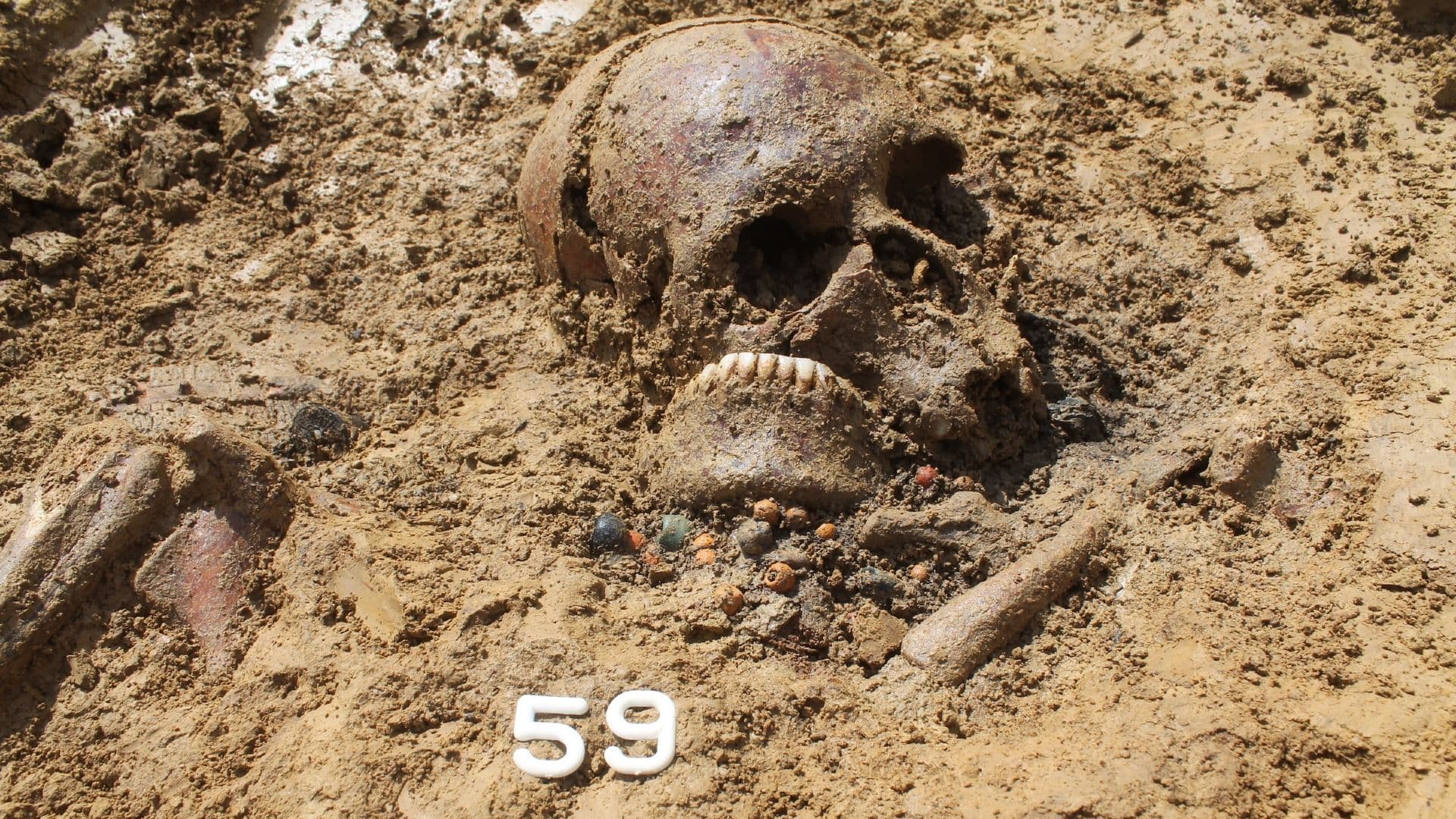
New DNA analysis of over 200 skeletons from southern Germany sheds light on life between 400 and 700 CE, a period following the collapse of the Western Roman Empire. The study reveals that lifelong monogamy was common, many children lost a parent young, and life expectancy may have increased compared to Roman times.
These findings challenge previous assumptions about post-Roman society, showing a demographic shift with northern European ancestry mixing with Roman provincial groups, and suggest that social norms and health conditions evolved significantly on the empire’s frontier.
Anuncio
Revealing Life After Rome Through Ancient DNA
Researchers analyzed 258 individuals buried in southern Germany from the 4th to 7th centuries, using DNA, bone analysis, and strontium isotope data to uncover origins, family structures, and health. This region marked the edge of the Western Roman Empire, which fell in 476 CE, ushering in a new era of cultural and genetic blending.
Anuncio
Monogamy and Family Structures Prevail
The study found no evidence of polygamy or close-kin marriages, indicating lifelong monogamy was the norm. Divorce and remarriage were rare, aligning with Christian values spreading at the time. Despite hardships, nearly 82% of children had at least one living grandparent, though about a quarter lost a parent by age 10.
- Lifelong monogamy was common
- Limited divorce and remarriage
- No signs of incestuous unions
- High rate of children losing a parent young
- Most children had living grandparents
Anuncio
Life Expectancy Surprises: Longer Lives on the Frontier?
Contrary to earlier beliefs that life expectancy during Roman times was around 20-25 years, this study suggests men lived to about 43 and women to nearly 40 years after the empire’s fall. The researchers propose that fewer large-scale wars and less violent trauma contributed to this increase.
"Evidence of violent trauma in civilian skeletal remains from the early medieval period is significantly lower than in late Roman contexts," said co-author Joachim Burger, highlighting the impact of reduced warfare on longevity.—Joachim Burger, Anthropology Professor
Anuncio
A Demographic Shift and Cultural Transformation
The genetic data reveals a major demographic change after the Roman state’s collapse, with northern European populations migrating into southern Germany and mixing with local Roman provincial groups. By the 7th century, the population resembled modern Central Europeans, reflecting a profound cultural and genetic transformation.
Anuncio
Looking Ahead: What This Means for Understanding Early Medieval Europe
These findings challenge long-held views of post-Roman Europe as a time of decline and hardship. Instead, they suggest evolving social norms, improved life expectancy, and significant population mixing. Future research will continue to refine our understanding of this pivotal era and its impact on modern European ancestry.