Deep Ocean Heat Release Behind Sudden Antarctic Sea Ice Collapse, New Research Shows
A decade-long mystery of shrinking Antarctic sea ice is unraveled by deep-diving robots revealing hidden ocean dynamics.

LAT Editorial Team

Anuncio
In 2016, Antarctic sea ice, which had been expanding for decades despite global warming, suddenly and dramatically shrank and has not recovered since. This unexpected decline has significant implications for the stability of Antarctica's ice sheets and global sea levels.
Scientists have now pinpointed the cause of this abrupt change: a violent release of deep, trapped ocean heat triggered by shifts in salinity, wind patterns, and ocean mixing. This discovery was made possible through data collected by autonomous deep-diving Argo floats, offering new insights into the complex interactions between the ocean and climate.
Anuncio
The Enigma of Antarctic Sea Ice Expansion and Sudden Decline
From the 1970s until 2016, Antarctic sea ice was paradoxically expanding even as global temperatures rose. This trend reversed abruptly in 2016, with sea ice contracting sharply and remaining at low levels since. The loss of sea ice threatens the Antarctic ice shelves that act as critical buffers for the continent’s massive ice sheet, which holds enough frozen water to raise global sea levels by 190 feet if fully melted.
Anuncio
How Deep-Diving Robots Uncovered the Ocean’s Hidden Role
A fleet of Argo floats, torpedo-shaped autonomous instruments that dive thousands of feet to measure ocean temperature and salinity, provided the key data. These floats revealed that warmer, saltier water was trapped beneath fresher, cooler surface layers, creating a stratified ocean that stored heat deep below the surface.
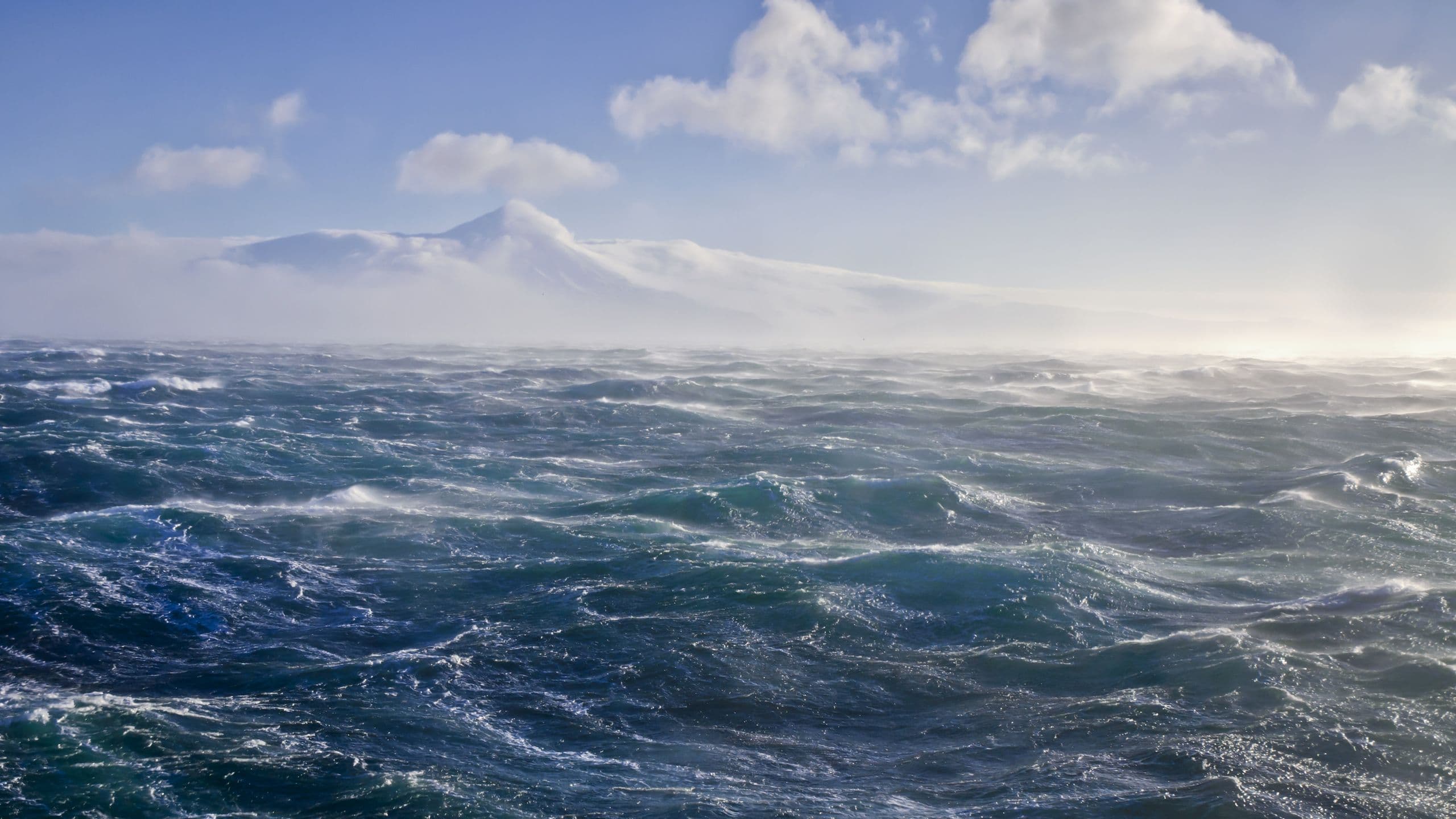
Lead researcher Earle Wilson from Stanford University explained, “The ocean plays a huge role in modulating sea ice variability over years and decades.” The floats detected how this pent-up heat was suddenly released when intensified and shifted winds pushed surface waters away from Antarctica, stirring up the warmer deep waters and causing the sea ice to melt rapidly.
Anuncio
The Impact of Winds and Climate Change on Ocean Dynamics
The atmospheric changes driving this heat release are linked to climate change. As the planet warms, temperature gradients in the atmosphere strengthen and alter wind patterns around Antarctica. These stronger winds not only pushed warm water upward but also physically broke up the sea ice by creating waves and moving ice floes.
“Both atmospheric and oceanic warming are likely contributing to the sudden change in Antarctic sea-ice extent since 2016, and deeper ocean warmth is a significant player,” said climate scientist Zachary Labe, who was not involved in the study.
Anuncio
Why Antarctic Sea Ice Matters for Global Sea Levels
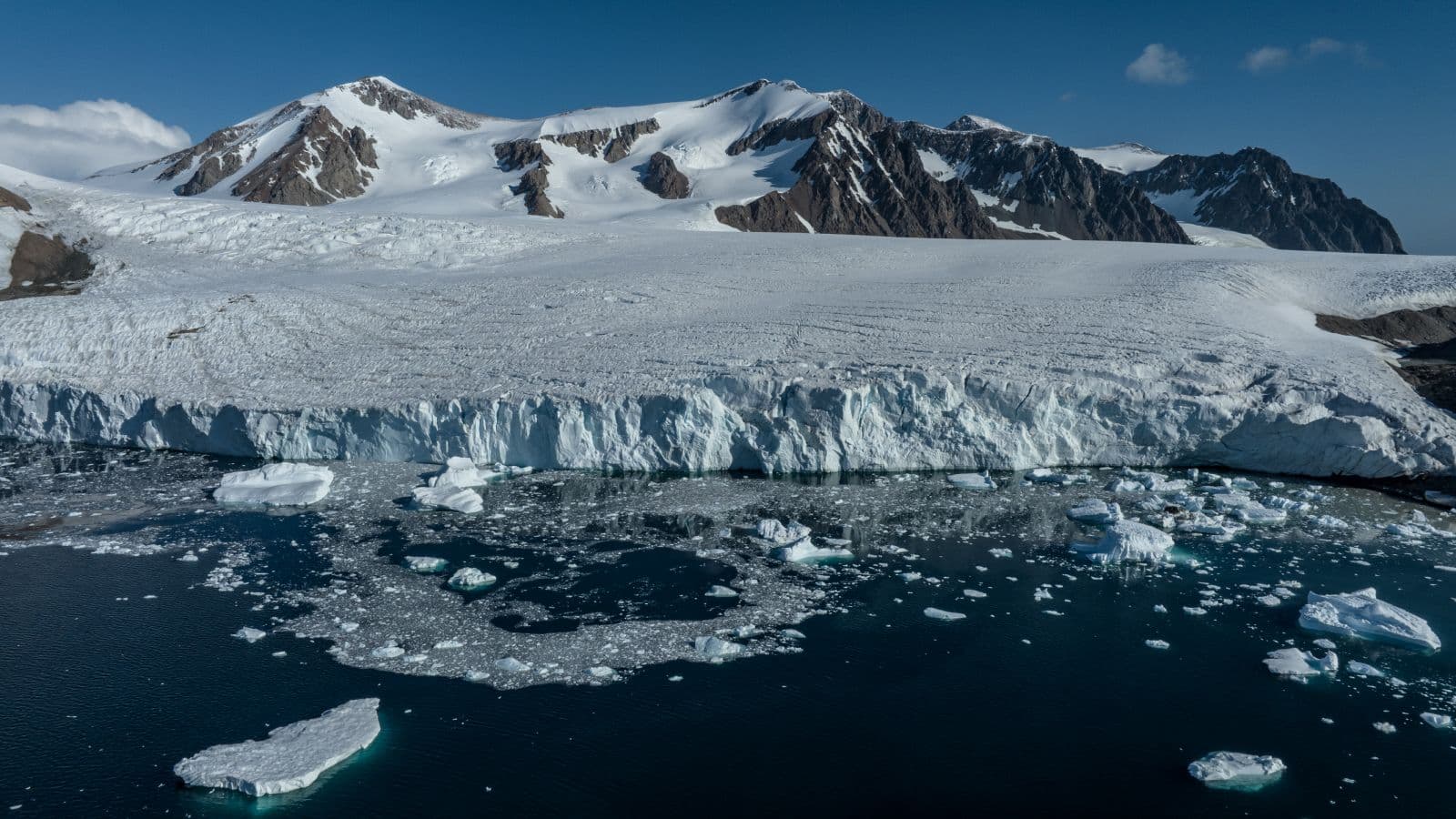
Sea ice acts as a protective barrier for Antarctica’s ice shelves by absorbing wave energy and reflecting sunlight, which helps keep local temperatures lower. The loss of sea ice removes this buffer, accelerating the erosion of ice shelves by warming seas and underwater storms. This destabilization could lead to faster melting of the Antarctic ice sheet, contributing to global sea level rise.
- Sea ice reflects sunlight, reducing heat absorption.
- It buffers ice shelves from wave damage.
- Its loss accelerates ice shelf weakening and ice sheet melt.
- Potential sea level rise from Antarctic ice sheet melt is about 190 feet.
Anuncio
Looking Ahead: Monitoring and Predicting Antarctic Changes
Scientists emphasize the urgent need for expanded international monitoring of Antarctic oceanic and atmospheric conditions to better understand and predict future changes. While the recent research improves climate models, uncertainties remain about whether sea ice levels might rebound temporarily or continue to decline over the long term.
“The long-term, multidecade trend will be negative,” Wilson predicts, “but we don’t know for sure if there will be years of growth amid the decline.”—Earle Wilson, Stanford University