US Warns Shipping Firms: Pay Iran Tolls at Your Own Sanctioned Risk
Strait of Hormuz shipping plummets amid US sanctions and Iranian toll demands

LAT Editorial Team

Ad
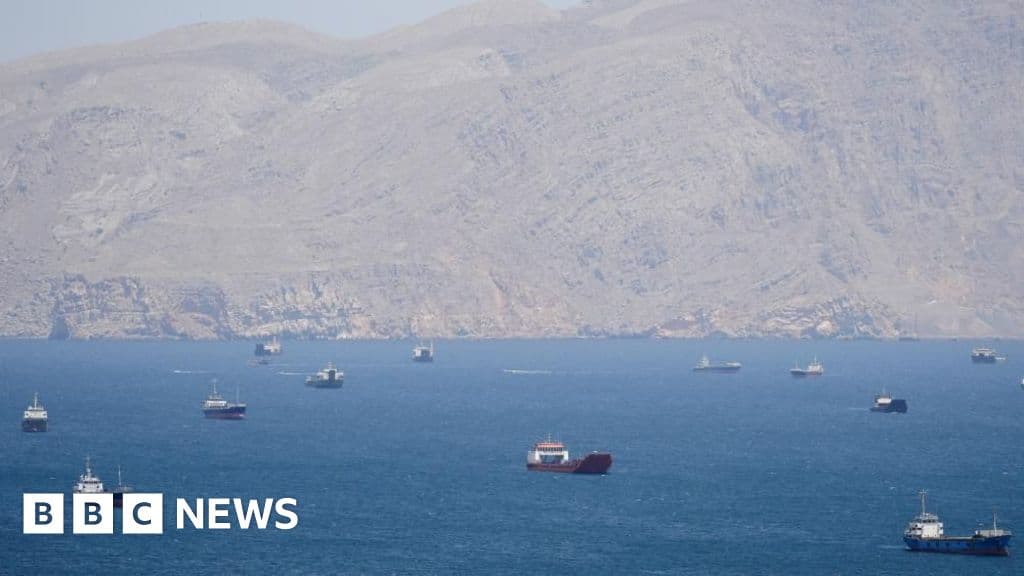
The US government has issued a stern warning to shipping companies worldwide: paying Iran for safe passage through the Strait of Hormuz could trigger severe sanctions. This alert comes as Iran has started collecting tolls from vessels navigating this critical waterway, a move the US views as illegal under its ongoing sanctions regime.
The Strait of Hormuz is a vital artery for global oil and goods transport, but traffic has sharply declined due to Iran’s tolls and a US naval blockade. The escalating tensions threaten to disrupt international trade and humanitarian aid, raising concerns about the broader geopolitical and economic fallout.
Ad
US Sanctions Threaten Shipping Firms Over Iran Toll Payments
The US Office of Foreign Assets Control (OFAC) issued an alert cautioning that US persons and companies are generally prohibited from paying Iranian government entities, including tolls for passage through the Strait of Hormuz. Non-US entities could also face sanctions if their payments indirectly cause US persons, such as insurers or banks, to violate sanctions.
OFAC emphasized that payments could take many forms beyond cash, including digital assets, informal swaps, or even charitable donations, highlighting the broad scope of enforcement.
Ad
Iran’s Toll Collection and the Impact on Maritime Traffic
Since the outbreak of conflict in February, Iran has drastically reduced vessel traffic through the Strait of Hormuz, demanding tolls for safe navigation. Deputy Speaker Hamidreza Haji Bababei recently claimed that toll revenues have been deposited with Iran’s Central Bank, though details remain unclear and unverified.
The US has responded with a naval blockade of Iranian ports, further restricting maritime movement. US Central Command reports that 45 commercial ships have been turned away since the blockade began, with daily vessel traffic through the strait dropping from thousands monthly to just a handful.
Ad
Global Consequences: Rising Costs and Humanitarian Challenges
The blockade and tolls have forced shipping companies to seek longer, costlier routes, significantly impacting global supply chains. The UN refugee agency (UNHCR) warns that these disruptions are driving up transport costs, which disproportionately affect emergency aid delivery to conflict zones like Sudan.
- Aid delivery times increased by up to 25 days due to rerouting around Africa’s Cape of Good Hope
- Doubling of transport costs for humanitarian shipments
- Potential for further constraints if Middle East instability continues
Ad
Diplomatic Stalemate and Uncertain Future
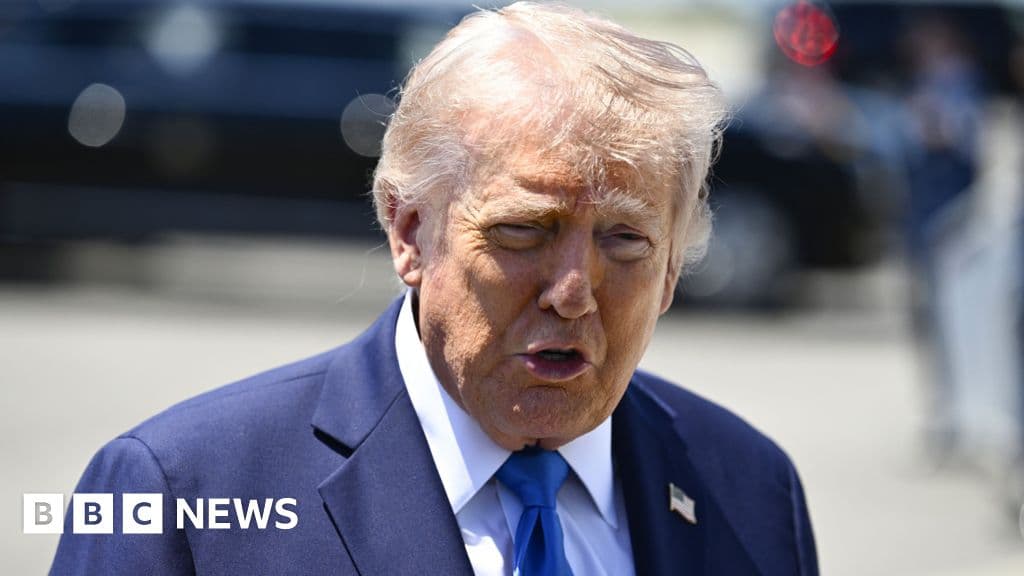
Despite a fragile ceasefire and ongoing talks mediated by Pakistan, no lasting peace deal has been reached. Iran recently submitted a proposal to end the conflict, but US President Donald Trump expressed skepticism and dissatisfaction, citing Iran’s fractured leadership and demanding terms he cannot accept.
"They want to make a deal, I'm not excited, so we'll see what happens. Because they have no military left, essentially. I'm not sure if they ever get there."—President Donald Trump
With tensions high and sanctions tightening, the future of maritime navigation through the Strait of Hormuz remains uncertain, posing ongoing risks to global trade and regional stability.