US Troop Cuts in Germany Spark Alarm Among Top Republicans and NATO Allies
Pentagon’s decision to reduce forces raises concerns over European security and Russia deterrence

LAT Editorial Team

Ad
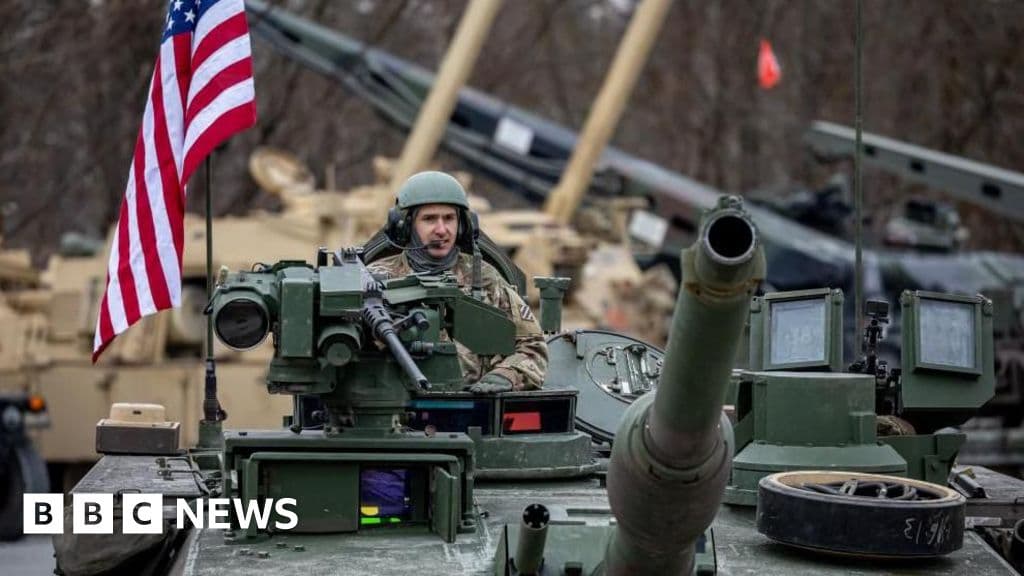
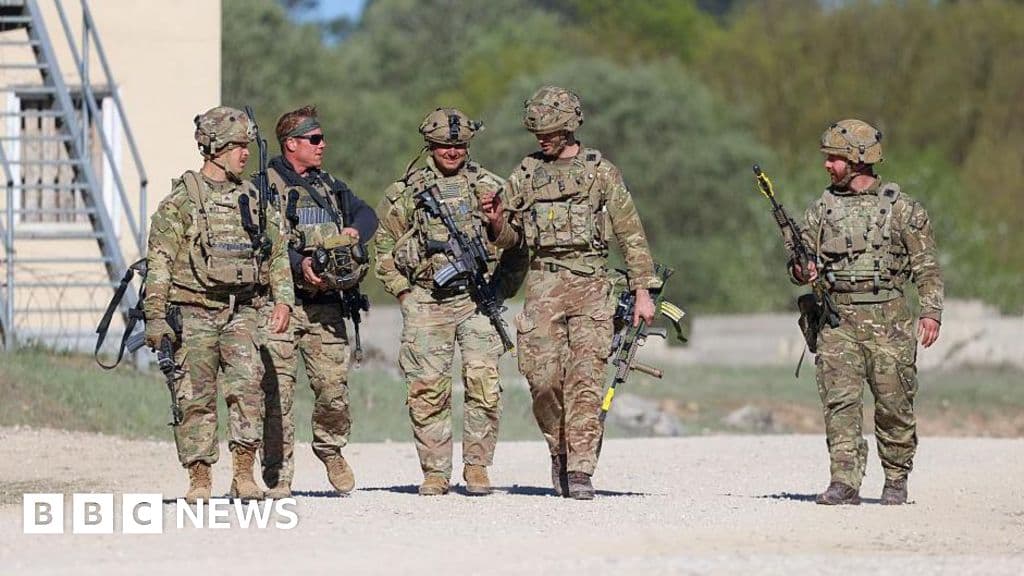
The Pentagon’s plan to cut 5,000 US troops from Germany has drawn sharp criticism from senior Republican lawmakers, who warn the move could weaken NATO’s deterrence against Russia and send a dangerous signal amid rising tensions in Europe.
As the US military presence in Germany—the largest in Europe—faces reductions, key figures in Congress and NATO allies express fears that this shift undermines transatlantic security at a critical time, while President Trump hints at even deeper cuts across Europe.
Ad
Republican Leaders Warn Against Weakening US Presence in Europe
Senate Armed Services Committee Chair Roger Wicker and House counterpart Mike Rogers jointly condemned the troop withdrawal, urging that instead of pulling forces out, the 5,000 troops should be repositioned further east to bolster deterrence against Russian aggression.
"Prematurely reducing America's forward presence in Europe before those capabilities are fully realised risks undermining deterrence and sending the wrong signal to Vladimir Putin."—Roger Wicker and Mike Rogers
Ad
Pentagon and White House Defend Troop Reduction Amid Strategic Shift
Pentagon spokesperson Sean Parnell emphasized that the troop cuts followed a comprehensive review of theater requirements, with Defense Secretary Pete Hegseth overseeing the decision. President Trump indicated that further reductions beyond the 5,000 troops in Germany could be forthcoming, including potential cuts in Italy and Spain.
This move aligns with the administration’s broader strategy to pivot US military focus from Europe to the Indo-Pacific region, as seen in last year’s troop reduction in Romania.
Ad
European Allies Voice Concern Over Impact on NATO Unity
Germany’s Defence Minister Boris Pistorius acknowledged the troop cuts as predictable but stressed the importance of American forces in Europe for mutual security interests. NATO is actively seeking clarification from Washington to understand the implications of the withdrawal.
"The presence of American soldiers in Europe, and particularly in Germany, is in our interest and in the interest of the US."—Boris Pistorius, German Defence Minister
Polish Prime Minister Donald Tusk warned that the greatest threat to the transatlantic alliance is internal disintegration, urging all members to reverse the trend of weakening unity.
Ad
Political Fallout and Future Outlook for Transatlantic Security
The troop cuts have sparked political debate within the US, with some Democrats criticizing the decision as lacking coherent national security strategy, while some Republicans support the move as a necessary realignment. The dispute between President Trump and German Chancellor Friedrich Merz, including accusations over Iran negotiations, has further strained relations.
- US currently has over 36,000 troops in Germany, the largest European deployment
- Germany plans to increase defense spending to 3.1% of GDP by 2027
- NATO allies agreed to invest 5% of GDP in defense at the 2023 Hague summit
- US troop reductions reflect a strategic pivot towards the Indo-Pacific region
As NATO and the US navigate these changes, the alliance’s cohesion and ability to deter external threats remain under scrutiny. The coming months will be critical in determining how these troop movements affect European security and transatlantic relations.