US House Approves Funding to End Historic DHS Shutdown Amid Immigration Debate
Congress restores Department of Homeland Security funding, ending a 76-day partial shutdown without new ICE or Border Patrol funds

LAT Editorial Team

Ad
After 76 days of a partial government shutdown, the US House of Representatives has voted to restore funding to the Department of Homeland Security (DHS), bringing an end to the longest shutdown in the agency's history. The Senate-passed bill was approved by voice vote, signaling bipartisan agreement to reopen DHS operations.
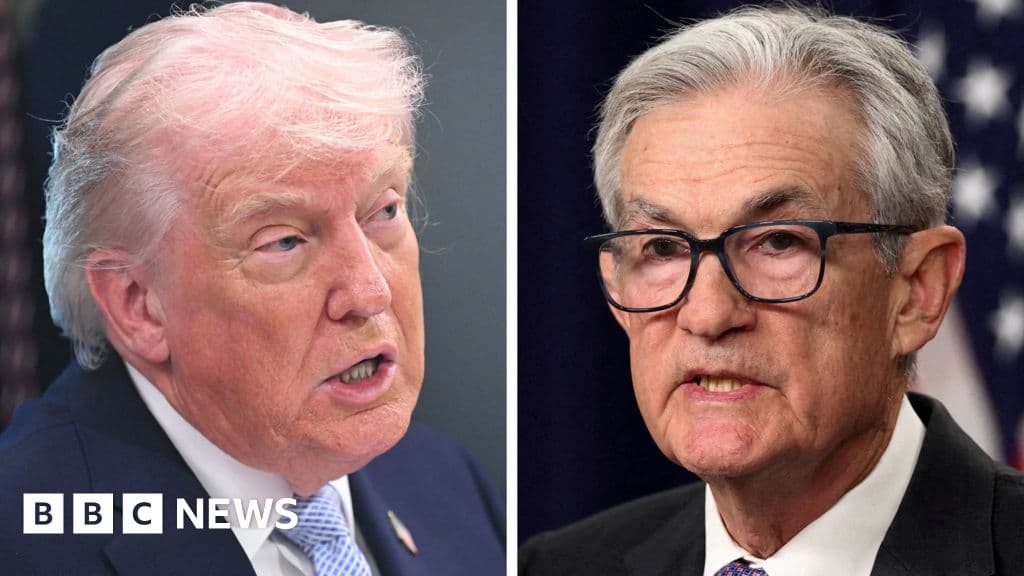
This resolution is significant as it halts the disruption caused by the shutdown but leaves immigration enforcement funding unresolved. While President Donald Trump supports the measure, it excludes new funding for Immigration and Customs Enforcement (ICE) and US Border Patrol, setting the stage for further political negotiations.
Ad
Historic Shutdown Ends After 76 Days
The partial government shutdown that began over disagreements on immigration enforcement funding has officially ended with the House's approval of the Senate's funding bill. This shutdown was the longest in DHS history, affecting numerous federal operations and employees.
Ad
Funding Restored Without ICE and Border Patrol Allocations
While the bill restores funding to much of DHS, it notably excludes new financial support for ICE and US Border Patrol. Democrats have advocated for reforms in immigration enforcement, and Republicans are expected to push for separate funding measures for these agencies.
Ad
Bipartisan Agreement and Next Steps
The bipartisan package has now been sent to President Trump for final approval. The administration's support indicates a willingness to end the shutdown, but the ongoing debate over immigration enforcement funding suggests further legislative battles ahead.
Ad
What This Means for Government Operations and Immigration Policy
- DHS operations will resume normal functions following the funding restoration.
- Federal employees affected by the shutdown will return to work and receive back pay.
- Separate negotiations are expected to address funding and reforms for ICE and Border Patrol.
- The resolution may influence future immigration policy discussions and enforcement strategies.