Thousands of 'Lost Canadians' Seek Dual Citizenship: Is Canada Ready for the Surge?
New law sparks a wave of applications from descendants of French-Canadian emigrants in the US

LAT Editorial Team

Ad
A recent surge in applications for Canadian citizenship has emerged from thousands of descendants of French-Canadians born in the United States, often referred to as 'lost Canadians.' This follows a new law that allows individuals with ancestral ties to Canada to claim citizenship, correcting historical barriers that prevented many from inheriting Canadian nationality.
The influx of applications highlights both a renewed connection to Canadian heritage and the challenges Canada faces in processing and verifying these claims. For many, this is not just about citizenship but reclaiming identity and cultural roots that were suppressed or lost over generations.
Ad
The Legacy of 'Lost Canadians' and the New Citizenship Law
In the 19th and 20th centuries, over a million French-Canadians migrated to New England seeking work, but laws at the time made it difficult for them to pass Canadian citizenship to their US-born children. This created generations of 'lost Canadians'—people with Canadian heritage but no official citizenship. The new law, effective since December, allows descendants to prove their Canadian ancestry and reclaim citizenship, even if their connection dates back several generations.
Ad
The Emotional and Cultural Significance of Reclaiming Citizenship
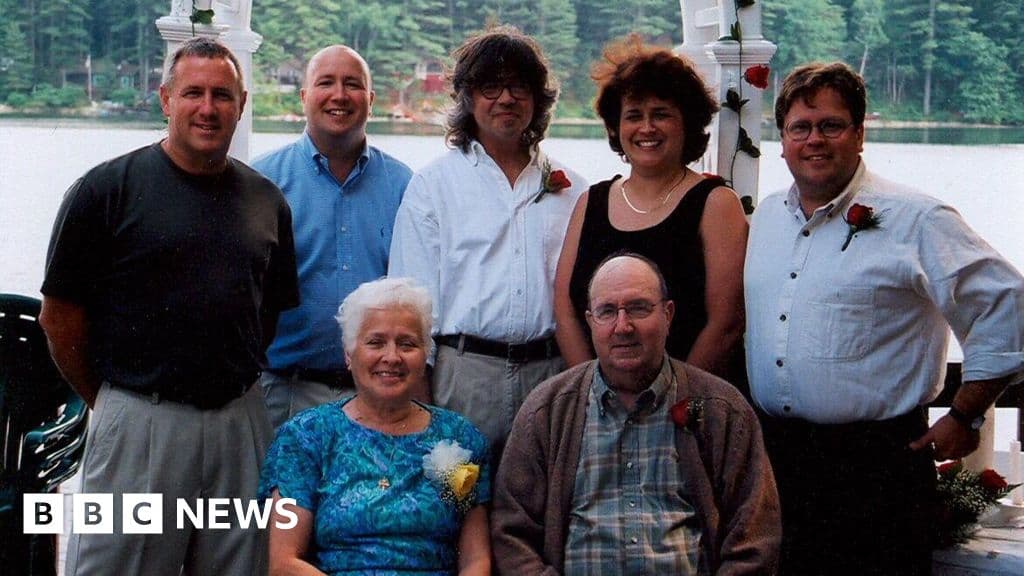
For individuals like Joe Boucher, whose family roots trace back to French-Canadian settlers, the law represents more than legal status—it’s about identity and pride. Despite growing up in Maine where speaking French was once illegal, Boucher cherishes his heritage and the stories of his ancestors who shaped Quebec and Acadian culture. He sees citizenship as a way to reconnect with his family's history and cultural legacy.
"I keep coming back to the idea of identity. This is the family I know and this is in large part who I am."—Joe Boucher
Ad
The Complex Process of Proving Canadian Ancestry
Applicants must provide official documents tracing their lineage to a Canadian ancestor who became a citizen after 1947. This often involves digging through old census records, baptismal certificates, and birth records—many of which are in French and written in archaic scripts. Genealogists like Ryan Légère have seen a dramatic increase in demand, turning what was once a side business into a full-time occupation.
- Applicants must prove descent from a Canadian parent, grandparent, or great-grandparent.
- Documents must be official; online genealogy sites alone are insufficient.
- Genealogical research can be costly and time-consuming.
- Name changes and anglicization complicate tracing family history.
Ad
Challenges Ahead: Is Canada Prepared for the Citizenship Boom?
With over 12,000 applications received in just over a month and many more expected, Canadian immigration officials face a daunting task. Staffing shortages and the complexity of verifying historical documents have raised concerns about processing times and resource allocation. The law does not limit how far back applicants can trace their ancestry, potentially opening the door to millions of eligible individuals.
"Many institutions appear to be overwhelmed, understaffed, and not fully prepared for the volume of requests received over the past few months."—Genealogist Ryan Légère
Ad
Looking Forward: Identity, Belonging, and the Future of Dual Citizenship
While some applicants seek dual citizenship as a safeguard amid political uncertainty, others view it as a meaningful reconnection with their heritage. For many, moving to Canada is not immediate, but the option offers a sense of belonging and cultural affirmation. As Canada navigates this wave of applications, the law may redefine what it means to be Canadian in the 21st century.