Tensions Escalate in Strait of Hormuz as UAE Tanker Attacked Amid US-Iran Standoff
UAE tanker hit in strategic waterway; US launches 'Project Freedom' amid Iranian threats

LAT Editorial Team

Ad
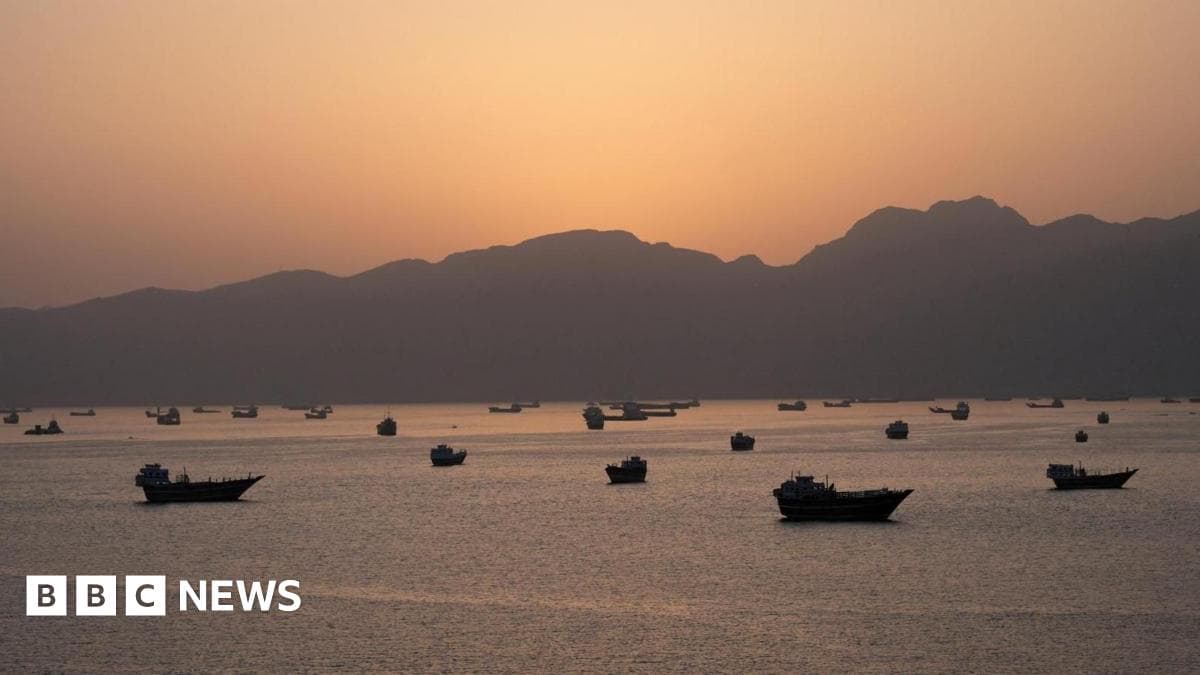
The United Arab Emirates has reported that one of its ADNOC-affiliated oil tankers was struck in the Strait of Hormuz, a critical global shipping lane. Fortunately, no injuries were reported, but the incident has intensified regional tensions amid ongoing US-Iran hostilities.
This attack highlights the fragile security situation in the Strait of Hormuz, a vital artery for global energy supplies. With Iran warning of military action against unauthorized vessels and the US initiating 'Project Freedom' to assist stranded ships, the risk of escalation remains high, threatening regional stability and global energy markets.
Ad
UAE Condemns Attack on Tanker, Calls for Immediate Cessation of Hostilities
The UAE's foreign ministry condemned the attack on its tanker as a blatant violation of UN Security Council Resolution 2817, which safeguards freedom of navigation. The ministry accused Iran's Revolutionary Guard Corps of acts of piracy and economic coercion, urging Tehran to halt all hostilities and fully reopen the Strait of Hormuz.
Ad
Iran’s Revolutionary Guard Issues Stark Warnings to Vessels
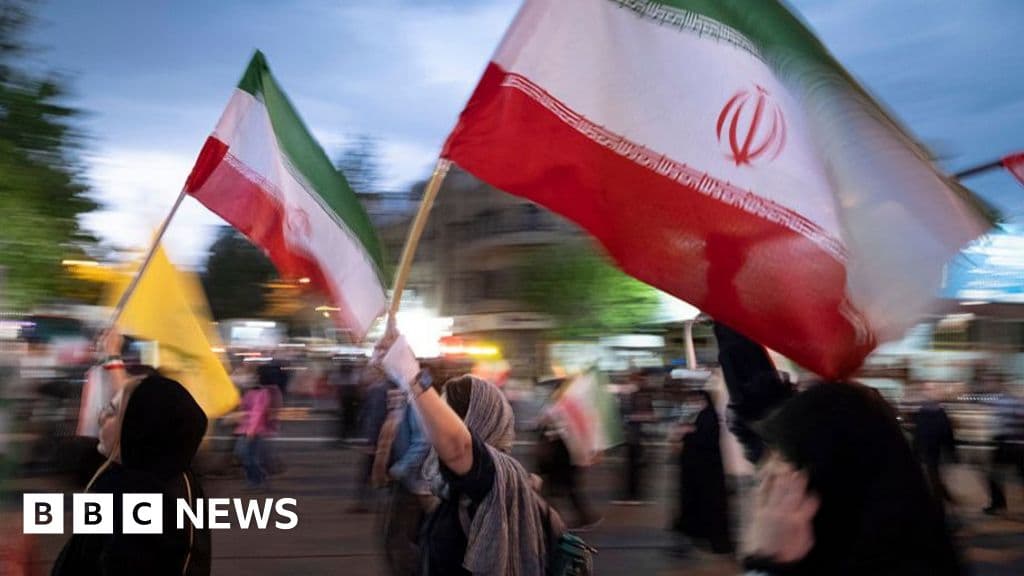
The Islamic Revolutionary Guard Corps (IRGC) released voice messages warning that the Strait of Hormuz remains closed and that any vessel passing without Iran’s permission will be targeted and destroyed. The IRGC emphasized control over the strait, signaling readiness to strike unauthorized ships, escalating fears of direct military confrontations.
"This is a serious warning from the naval forces of the IRGC. The Strait of Hormuz remains closed, and passage through it without the permission of the Islamic Republic of Iran is prohibited. Any vessel passing without permission will be struck and destroyed."—Islamic Revolutionary Guard Corps
Ad
US Denies Iranian Claims of Missile Strike on Warship Amid Rising Oil Prices
Iranian state media claimed two missiles hit a US Navy destroyer attempting to enter the strait, but US Central Command firmly denied any such strike. Despite the denial, oil prices surged over 5%, reflecting market anxiety over potential disruptions to oil flow through the region.
Ad
‘Project Freedom’: US Plans to Guide Stranded Ships Amid Ceasefire Risks
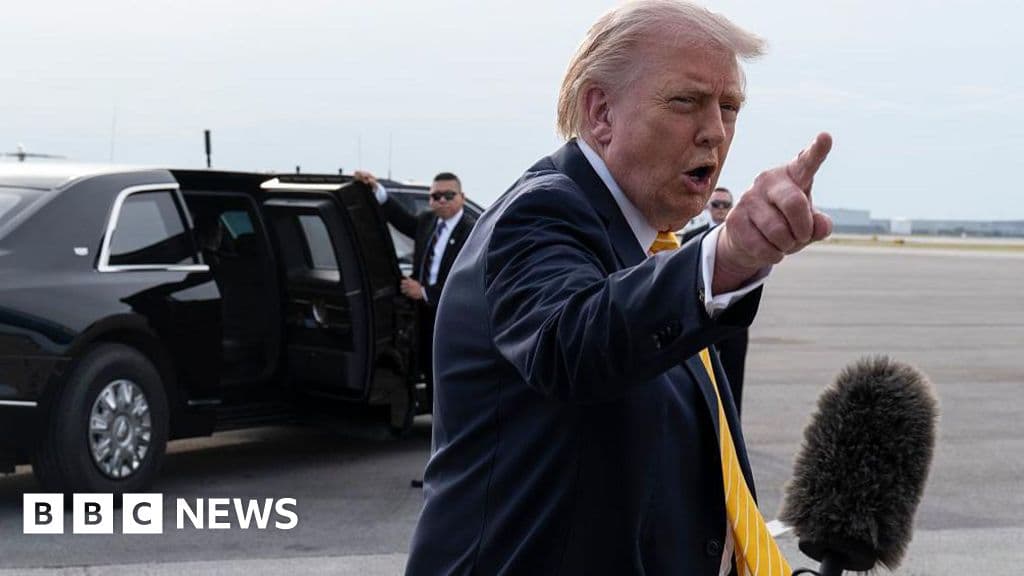
President Trump announced 'Project Freedom', a US-led initiative to assist commercial vessels trapped in the strait by providing guidance and support. While the operation is described as a humanitarian effort, Iran warns that any US military presence in the strait would violate the fragile ceasefire and provoke military retaliation.
- US Central Command will deploy 15,000 personnel, guided-missile destroyers, and over 100 aircraft to support the mission.
- The operation aims to restore freedom of navigation without necessarily escorting ships militarily.
- Iran insists that safe passage must be coordinated with its armed forces and warns against unauthorized entry.
- Thousands of seafarers remain stranded, facing dwindling supplies and heightened stress.
Ad
Global Impact and Future Outlook: Navigating a Volatile Strait
The Strait of Hormuz remains a flashpoint with significant implications for global energy security. Until a lasting resolution is reached, the risk of further attacks and disruptions persists, keeping oil prices elevated and maritime operations perilous. Diplomatic efforts continue, but the balance between military posturing and peaceful navigation hangs precariously.