Russian Paramilitary Launches Air Strikes as Rebel Offensive Shakes Mali’s Capital Region
Deadly rebel attacks and Russian air power mark a new phase in Mali’s escalating conflict

LAT Editorial Team

Ad
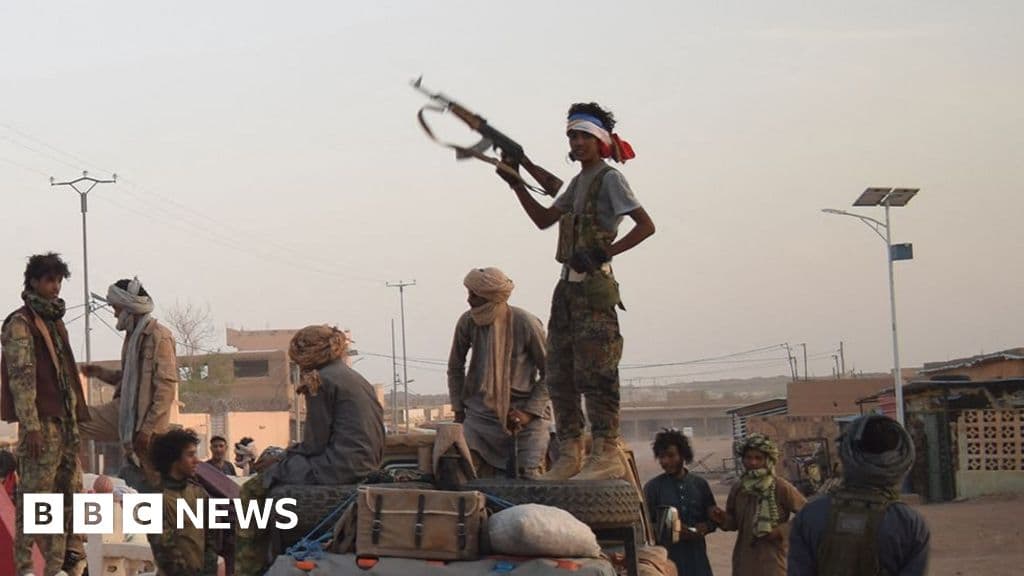
A Russian paramilitary group has conducted air strikes near Mali’s capital, Bamako, amid a fierce rebel offensive that has shaken the country’s military leadership. The attacks come after jihadist and Tuareg separatist forces launched coordinated assaults across Mali, killing Defence Minister Sadio Camara and advancing toward key military positions.
This surge in violence signals a major escalation in Mali’s decade-long conflict, challenging the ruling military government and exposing the limits of foreign-backed paramilitary support. The Kremlin-controlled Africa Corps, which replaced the Wagner Group, has been actively engaging rebel forces but recently withdrew from a strategic northern city, highlighting the fragile security situation.
Ad
Rebel Offensive Targets Mali’s Military Heartland
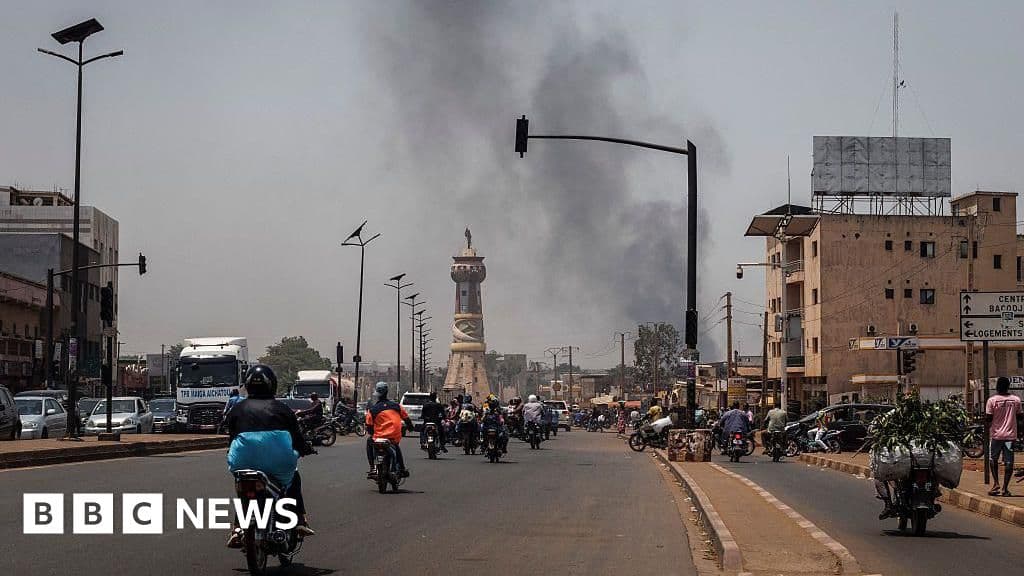
On Saturday, a coalition of jihadist and Tuareg separatist fighters launched a surprise offensive across multiple locations in Mali, including an attack on the residence of Defence Minister Sadio Camara in Kati, just 20 kilometers from Bamako. The assault involved a suicide car bomb that destroyed Camara’s home, killing him in the process. Satellite images reveal extensive damage to the area, underscoring the intensity of the attack.
Ad
Russian Paramilitary Responds with Air Strikes
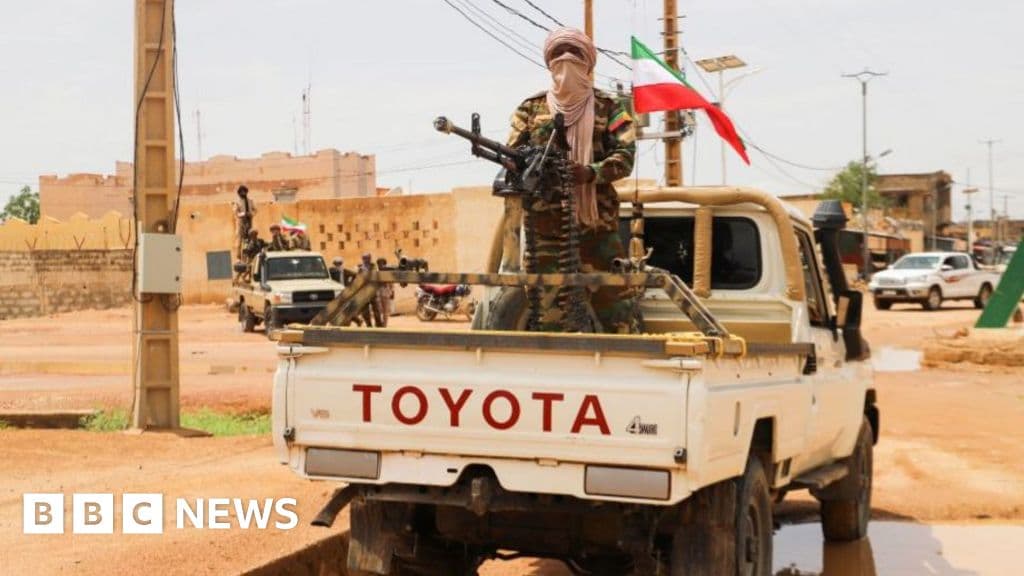
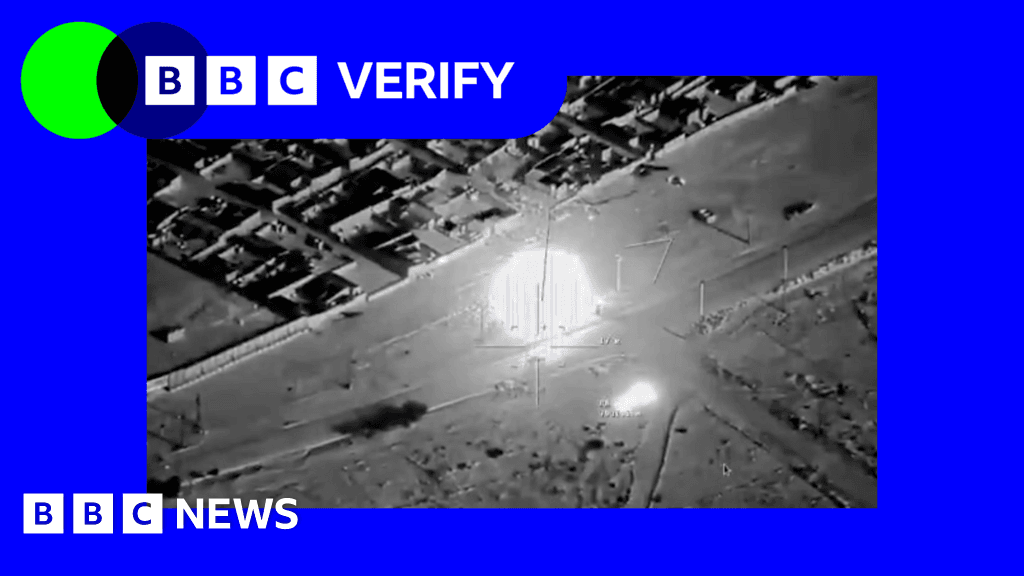
In response, the Africa Corps, a Kremlin-controlled paramilitary force supporting Mali’s military, launched a series of air strikes targeting rebel convoys and positions near Kati. Drone footage shows missile strikes on rebel vehicles, while attack helicopters engaged ground targets, creating dramatic fireballs and plumes of smoke. Despite this show of force, the paramilitary group confirmed its withdrawal from Kidal, a key northern city, after sustained rebel pressure.
Ad
Strategic Setbacks and Rebel Gains in Northern Mali
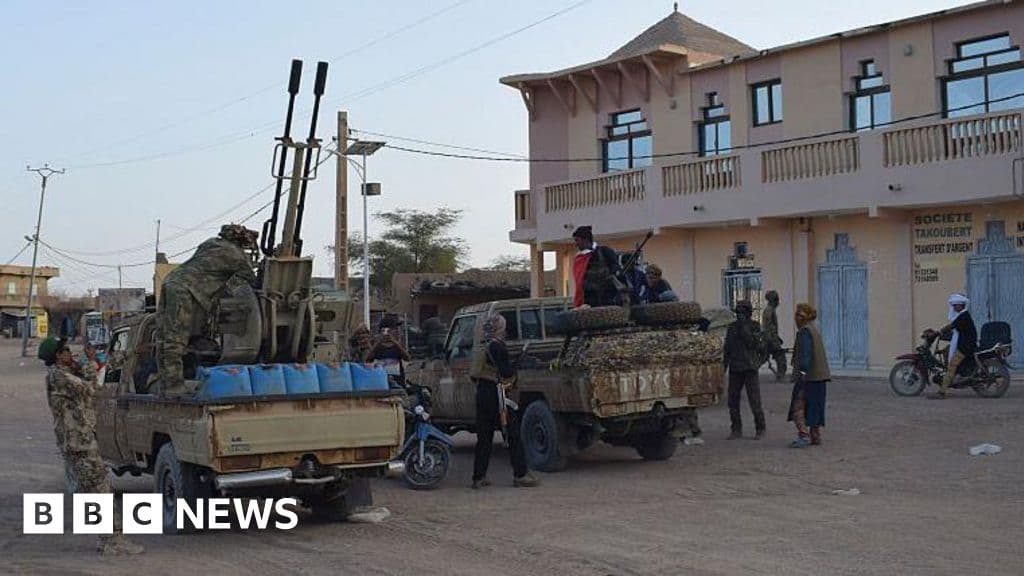
The withdrawal from Kidal marks a significant loss for the Malian government and its Russian allies. The city had been a focal point of military operations and housed a large contingent of troops and equipment. Verified footage shows rebels freely roaming the abandoned base, while military vehicles evacuated under fire. The Africa Corps claimed to have removed heavy equipment, but rebels captured armored vehicles left behind, signaling a hasty retreat.
- Rebels now control key northern towns including Kidal and Tessalit.
- Malian and Russian forces face increasing challenges in countering insurgent tactics.
- The loss of armored vehicles may impact military capabilities but may not suit rebel guerrilla warfare.
- Clashes continue near the Africa Corps’ main facility in Bamako, indicating ongoing instability.
Ad
What This Means for Mali’s Future and International Involvement
Experts warn that the recent rebel offensive represents a turning point in Mali’s conflict, with insurgents expanding their reach from rural areas into major cities. The Africa Corps’ struggles raise questions about the effectiveness and sustainability of Moscow’s paramilitary model, especially as Mali’s military grapples with limited success against entrenched rebel groups.
"The model offered by Moscow isn't working but at the same time is costing poor countries millions in natural resources. It's unsustainable.",—Dr Sorcha MacLeod, University of Copenhagen
As Mali’s military government faces mounting pressure, the international community and regional actors will be closely watching developments. The evolving conflict underscores the complex dynamics of foreign intervention, local insurgencies, and the struggle for control over strategic territories in the Sahel.