Nigerian Opposition Faces Shake-Up as Peter Obi and Rabiu Kwankwaso Join New Party
Key opposition leaders realign ahead of 2027 presidential election, sparking fresh political dynamics

LAT Editorial Team

Ad
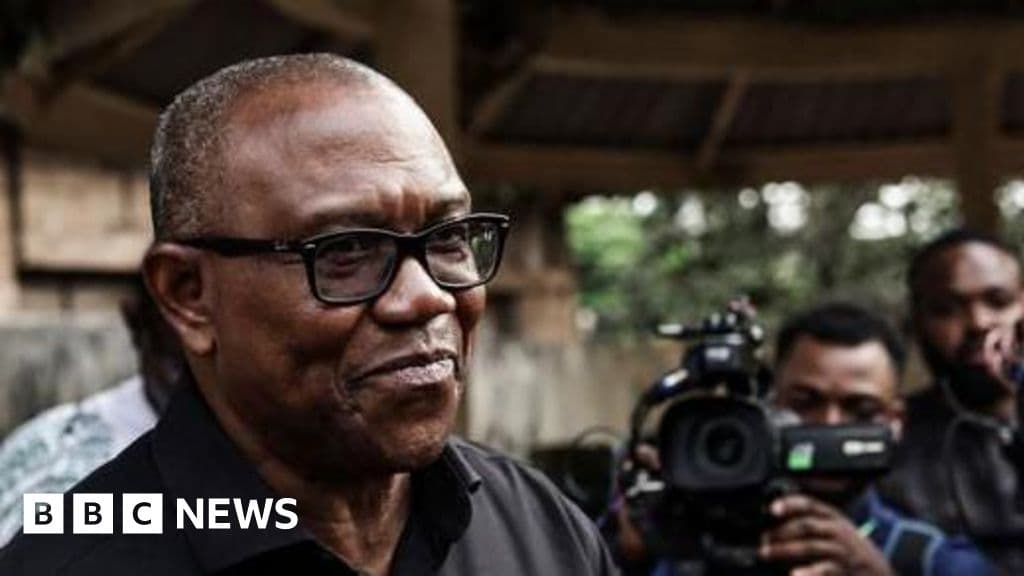
In a surprising political shift, two of Nigeria's leading opposition figures, Peter Obi and Rabiu Kwankwaso, have left the African Democratic Congress (ADC) to join the Nigeria Democratic Congress (NDC). This move sets the stage for a potential joint presidential ticket to challenge incumbent President Bola Tinubu in the upcoming 2027 election.
The realignment comes amid ongoing struggles within opposition parties, with Obi and Kwankwaso aiming to consolidate their influence and present a united front. Their combined grassroots support across Nigeria’s south and north could significantly alter the political landscape as the nation prepares for its next election.
Ad
A Bold New Alliance Emerges
Peter Obi, popular among young voters in southern Nigeria, and Rabiu Kwankwaso, a powerful figure in the north, were both key contenders in the 2023 presidential race, finishing third and fourth respectively. Their decision to join the NDC, just nine months after leaving the ADC, signals a strategic effort to build a stronger opposition coalition.
The move follows internal conflicts and legal battles within the ADC, which Obi attributed to government interference. Obi stated that the same forces that disrupted his previous party, the Labour Party, appear to be undermining opposition unity again.
Ad
Implications for Nigeria’s Opposition Unity
While some see this as a fragmentation of the opposition, supporters argue it will sharpen their focus and increase their chances of success. However, the shift risks alienating allies within the ADC coalition, raising questions about the opposition’s ability to maintain a coordinated challenge against President Tinubu.
"If the NDC fields Obi as its presidential candidate and Kwankwaso as vice-president, they will definitely give the ruling APC a run for their money at the polls."—Political analyst Bala Yusuf
Ad
Government Response and Political Context
The Nigerian presidency downplayed the defections, describing them as part of the normal ebb and flow of democratic politics. A presidential spokesperson emphasized the government's focus on economic reforms, security, and stability rather than political realignments.
With elections scheduled for early January 2027, this political reshuffling adds new uncertainty to Nigeria’s electoral landscape, which has been marked by shifting alliances and intense competition since the end of military rule in 1999.
Ad
Looking Ahead: What This Means for Nigeria’s Future
As Obi and Kwankwaso settle into the NDC, the opposition’s next moves will be closely watched. The question remains whether they can overcome past divisions to present a united front capable of challenging the ruling party’s dominance.
Their ability to mobilize support across Nigeria’s diverse regions and demographics could redefine the country’s political trajectory in the coming years.