New Zealand Drops WWII 'Comfort Women' Statue Plan Amid Japan's Diplomatic Objections
Auckland council rejects statue honoring WWII sex slaves after Japan warns of diplomatic fallout

LAT Editorial Team

Ad
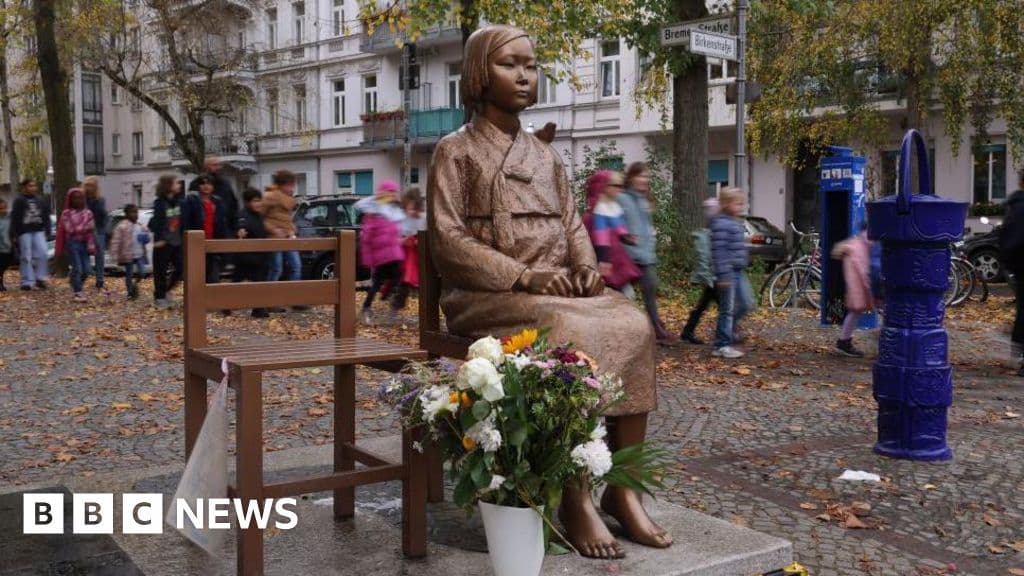
Plans to install a bronze statue commemorating the 'comfort women'—women forced into sexual slavery by Japanese soldiers during World War II—have been scrapped in Auckland, New Zealand. The statue, depicting a seated girl beside an empty chair, was donated by a Korean advocacy group but faced strong opposition from Japan's embassy.
The decision highlights the sensitive nature of historical memory and international relations, as Japan expressed concerns that the statue could damage diplomatic ties. The rejection also reflects divided community opinions within New Zealand's multicultural society.
Ad
What Are 'Comfort Women' and Why the Statue?
During World War II, over 200,000 women and girls—primarily Korean, but also from China, the Philippines, Indonesia, and Taiwan—were coerced into sexual slavery by the Japanese military. These women, known as 'comfort women,' have become symbols of wartime atrocities and human rights abuses.
The proposed statue aimed to honor their suffering and raise awareness about gender-based violence during conflict. Similar monuments have been installed globally, starting with Seoul in 2011, to keep the survivors' stories alive.
Ad
Japan's Diplomatic Concerns and Local Opposition
Japan's embassy in New Zealand warned that erecting the statue in a public Auckland garden could severely impact diplomatic relations between the two nations. Ambassador Makoto Osawa emphasized Japan's commitment to addressing historical issues with Korea but cautioned against actions that might inflame tensions.
"I am concerned that it will cause division and conflict within New Zealand's wonderful multi-ethnic and multicultural society and between Japanese and Korean communities peacefully co-existing in New Zealand."—Japan's Ambassador to New Zealand Makoto Osawa
The Auckland Council, after public consultation revealed limited community support, recommended rejecting the proposal. The Devonport-Takapuna Local Board ultimately voted against the statue's installation.
Ad
Community Reactions and the Broader Impact
The grassroots group Aotearoa New Zealand Statue of Peace expressed disappointment, calling the rejection a loss for the community and a setback for honoring survivors' voices. They reaffirmed their dedication to supporting survivors of gender-based violence and preserving the legacy of those affected.
This controversy echoes similar disputes worldwide, such as Osaka severing sister city ties with San Francisco in 2018 over a comparable statue. These monuments continue to spark debate over historical memory, reconciliation, and international diplomacy.
Ad
Looking Ahead: Navigating History and Diplomacy
The Auckland decision underscores the challenges of balancing historical recognition with diplomatic sensitivities in multicultural societies. While local governments hold authority over public monuments, the influence of international relations remains significant.
As New Zealand and other countries grapple with how to commemorate painful histories, ongoing dialogue among communities and governments will be crucial to fostering understanding and healing.