Middle East Conflict Threatens Livelihoods in India’s Glass City
Firozabad’s glass industry faces severe gas shortages and rising costs amid global tensions

LAT Editorial Team


Ad
Tensions in the Middle East are causing a ripple effect that threatens the livelihoods of thousands in Firozabad, India’s renowned glass manufacturing hub. The city, responsible for 70% of India’s glass production, is grappling with gas shortages and soaring costs that are forcing factories to cut back operations.
This crisis matters because Firozabad’s glass industry supports around 150,000 workers who rely on steady production to earn daily wages. Disruptions in natural gas supplies, essential for glass furnaces, combined with rising raw material and shipping costs, are pushing many small factories to the brink of closure.
Ad
How Middle East Tensions Disrupted India’s Glass Industry
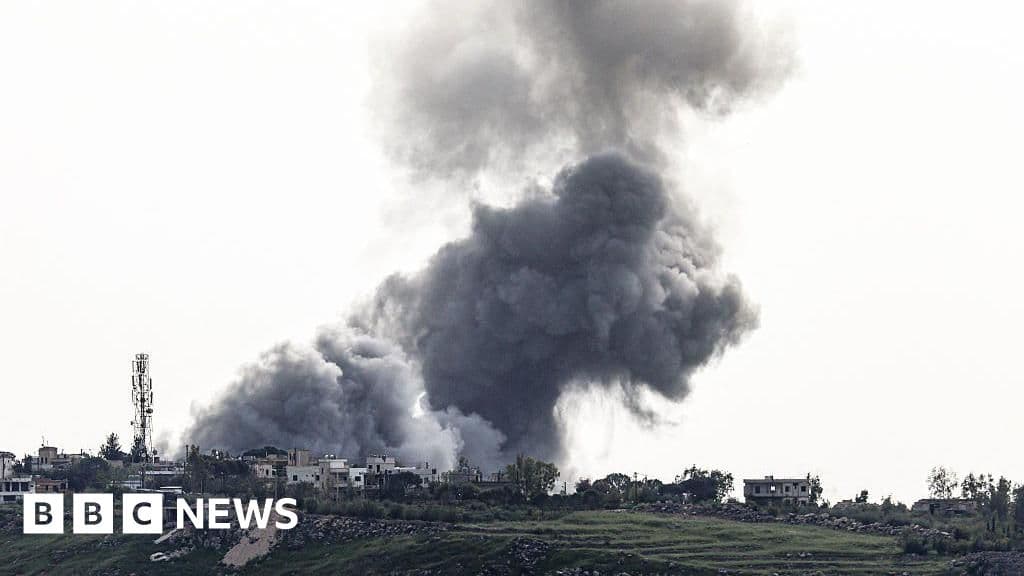
Firozabad’s glass factories depend heavily on natural gas to keep their furnaces running at extremely high temperatures. The ongoing conflict in the Middle East has disrupted energy flows, especially through the Strait of Hormuz, a critical shipping route for nearly half of India’s gas imports. Despite some shipments resuming, the Indian government has cut commercial gas supplies by 20%, forcing factory owners to ration fuel and reduce production.
"These furnaces have to keep running - if they cool, they can be damaged. Restarting them is time-consuming and expensive,"—Sanjay Jain, glass bangle factory owner
Ad
Rising Costs and Supply Chain Challenges Compound the Crisis
Beyond gas shortages, the glass industry faces rising costs for raw materials, many of which are imported from the Middle East. Increased shipping expenses have also hit exports, particularly to the US market. Industry leaders report losses of up to 45% since the conflict began, with smaller factories struggling to stay afloat amid these pressures.
- Gas supply cuts by 20% impacting furnace operations
- Raw material costs rising due to disrupted imports
- Export challenges from higher shipping fees
- Losses reported between 25-45% across factories
Ad
The Human Cost: Workers Face Uncertain Futures
The crisis is hitting workers hard, many of whom earn daily wages barely enough to cover rising living costs. Reduced workdays and factory shutdowns have forced some to withdraw children from school and sparked protests demanding better wages and conditions. Economists warn that prolonged disruptions could lead to widespread factory closures and increased poverty.
"If the factories stop hiring us, I don't know what else to do. This is the only skill I have,"—Umesh Babu, glass bangle worker
Ad
Government Response and the Road Ahead
The Indian government acknowledges the need to maintain furnace operations and is taking steps to stabilize energy supplies, prioritizing key sectors. However, experts caution that repairing damaged Middle East energy infrastructure will take months, meaning the industry must prepare for prolonged uncertainty. For Firozabad’s glassmakers and workers, adapting to this new reality is critical to survival.
As the conflict continues, the fate of India’s glass city hangs in the balance, highlighting the far-reaching impact of global crises on local economies and communities.