Meta Faces Backlash After Kenyan Workers Lose Jobs Over Smart Glasses Controversy
Contract cancellation sparks debate on privacy, worker treatment, and AI ethics

LAT Editorial Team

Ad
Meta has come under intense scrutiny after abruptly ending its contract with Kenyan outsourcing firm Sama, following allegations that workers were exposed to graphic content captured by Meta’s AI-powered smart glasses. The termination has led to over 1,100 job losses, raising questions about the company’s motives and ethical standards.
The controversy highlights growing concerns about privacy, worker safety, and transparency in the AI industry. As regulators in the UK and Kenya launch investigations, the incident underscores the challenges tech giants face when balancing innovation with human rights and accountability.
Ad
Graphic Content Exposure Sparks Outcry
In February, Swedish newspapers revealed that Kenyan workers employed by Sama were tasked with reviewing videos recorded by Meta’s smart glasses, including footage of users in private moments such as using the toilet and engaging in sexual activity. These revelations ignited public outrage and regulatory attention.
Meta acknowledged that human reviewers sometimes access content to improve AI performance, a practice common in the tech industry, but emphasized that users provide clear consent. Despite this, the graphic nature of the content and the lack of transparency raised serious ethical questions.
Ad
Contract Termination and Job Losses Stir Controversy
Less than two months after the allegations surfaced, Meta ended its partnership with Sama, resulting in 1,108 workers being laid off. Meta cited Sama’s failure to meet its standards as the reason, a claim strongly denied by Sama, which insists it consistently met all operational and security requirements.
"Sama has consistently met the operational, security and quality standards required across our client engagements, including with Meta," said a Sama spokesperson. "At no point were we notified of any failure to meet those standards."
Kenyan workers’ rights groups suggest the contract cancellation was retaliation for employees speaking out about the disturbing content they were forced to review. Meta has not publicly addressed these allegations.
Ad
Regulatory Scrutiny Intensifies
Following the media reports, the UK’s Information Commissioner’s Office and Kenya’s Data Protection Commissioner launched investigations into privacy violations linked to the smart glasses. Both regulators expressed concern over the potential misuse of the devices and the handling of sensitive data.
Meta stated it paused its work with Sama to investigate the claims and reiterated its commitment to user privacy and consent. However, the incident has fueled broader debates about the ethical implications of AI-powered wearable technology.
Ad
The Future of AI Glasses and Worker Protections
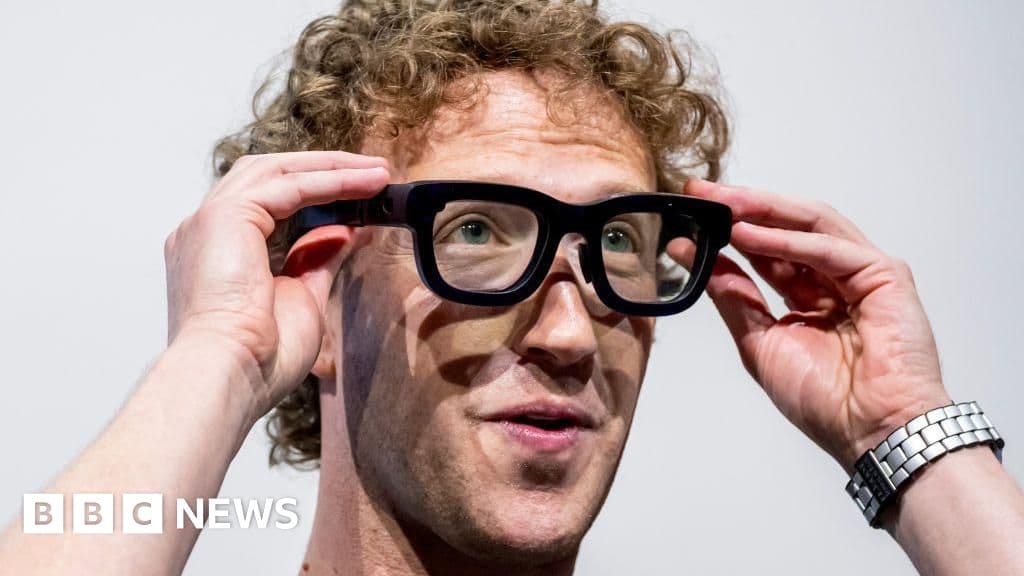
Meta’s smart glasses, launched in partnership with Ray-Ban and Oakley, offer innovative features like real-time translation and AI assistance for visually impaired users. Yet, as their popularity grows, so do concerns about privacy breaches and non-consensual recordings.
Advocates warn that the foundation of AI development relying on outsourced workers exposed to traumatic content is fragile and unsustainable. Mercy Mutemi, a lawyer representing affected workers, cautions governments to reconsider their approach to AI industry growth, calling the current model "a very flimsy foundation to build your entire industry on."
"What I think are the standards they are talking about here are standards of secrecy," said Naftali Wambalo of the Africa Tech Workers Movement, highlighting concerns over transparency and worker rights.
As investigations continue, the Meta smart glasses controversy serves as a critical case study in balancing technological advancement with ethical responsibility and human dignity.