Mali’s Junta Faces Uncertain Future After Rebel Offensive Shakes the Nation
Coordinated attacks by separatists and jihadists challenge military rule and raise questions about Mali’s security alliances

LAT Editorial Team

Ad
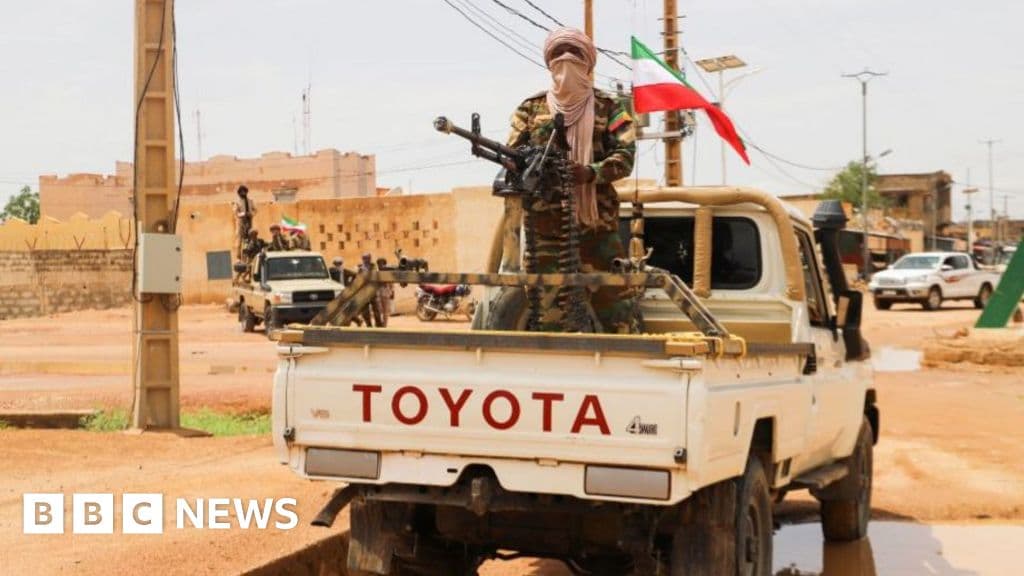
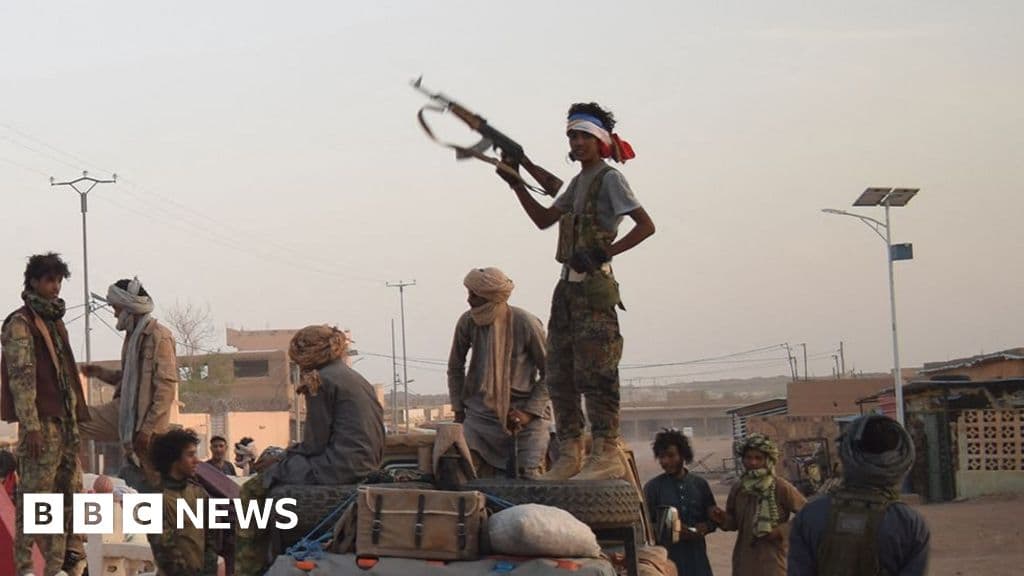
In a stunning escalation of violence, coordinated attacks by Tuareg separatists and al-Qaeda-linked militants have rocked Mali, culminating in the assassination of the defence minister and the recapture of key northern territories including the city of Kidal. The offensive has exposed vulnerabilities in the military government led by Colonel Assimi Goïta and cast doubt on the effectiveness of Russian-backed forces deployed in the region.
This dramatic turn of events threatens to reshape Mali’s political and security landscape, with potential ripple effects across West Africa. The junta’s response, its alliances, and the possibility of further instability now dominate discussions about the country’s future.
Ad
The Shockwave of the Rebel Offensive
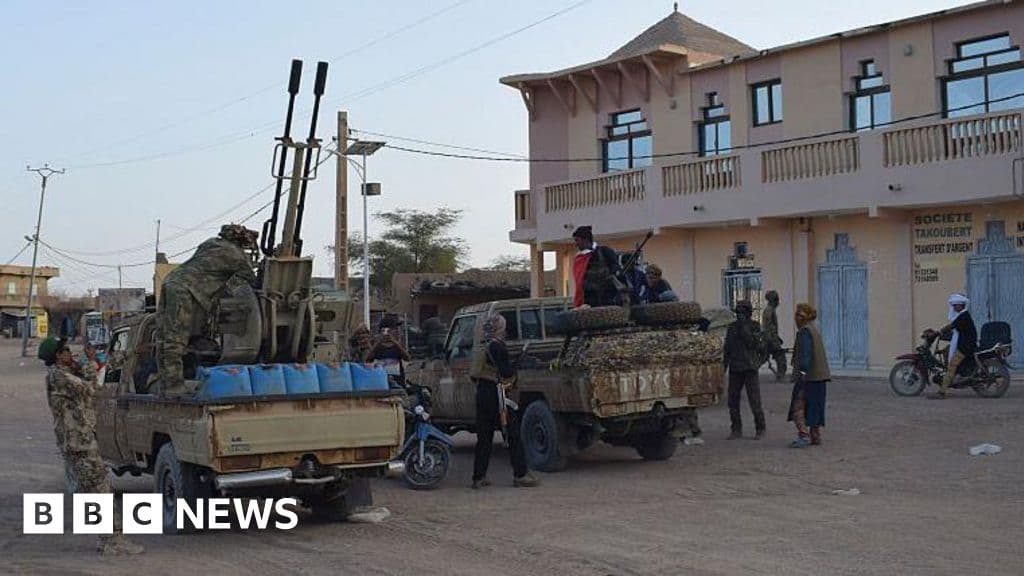
Residents across Mali awoke to gunfire and explosions as the Azawad Liberation Front (FLA) and the jihadist group JNIM launched a coordinated assault on Bamako and northern cities. The withdrawal of Malian and Russian troops from Kidal allowed the FLA to seize control, marking a significant setback for the junta. The killing of Defence Minister Sadio Camara, a key figure in Mali’s military leadership and liaison with Russian forces, has further destabilized the government’s command structure.
Ad
Can the Junta Regain Control?
Despite the shock, the military still holds major urban centers and state institutions, suggesting it could mount a counter-offensive. Analysts emphasize that the coming days are critical, as the army’s ability to push back the insurgents will determine the junta’s survival. Colonel Goïta has made public appearances, including meetings with the Russian ambassador and visits to wounded soldiers, but has yet to address the nation directly.
- Military controls key cities but faces pressure in the north
- Death of Defence Minister weakens military coordination
- FLA aims to expand control to Gao and Timbuktu
- Junta’s popular support has waned amid ongoing insecurity
Ad
Shifting Alliances: Russia’s Role and New Partnerships
The offensive has damaged Russia’s reputation as a dependable security partner after its Africa Corps failed to prevent the fall of Kidal. Mali may seek to diversify its military alliances, potentially strengthening ties with Turkey, which has provided drones and training, and re-engaging with the United States, which recently signaled a willingness to improve relations. The Alliance of Sahel States, comprising Mali, Niger, and Burkina Faso, could also play a more active role in regional security cooperation.
“The coming days will determine the longevity of the junta,”—Beverly Ochieng, Senior Analyst at Control Risks
Ad
What If the Junta Falls? Potential Outcomes
The attacks have intensified pressure on the military government, raising the possibility of another coup or a power shift. While the FLA and JNIM alliance currently holds sway in the north, their differing ideologies—nationalist separatism versus Islamist militancy—could complicate governance. Analysts warn of a potential scenario resembling Syria’s fractured power dynamics, where former jihadist affiliates govern amid internal tensions.
The future of Mali hinges on whether the junta can regroup and reclaim lost ground, how it manages its international partnerships, and whether the rebel alliance can sustain its momentum without fracturing.