Hantavirus Outbreak on Atlantic Cruise Ship: What You Need to Know
Three deaths and multiple suspected cases reported aboard MV Hondius

LAT Editorial Team

Ad
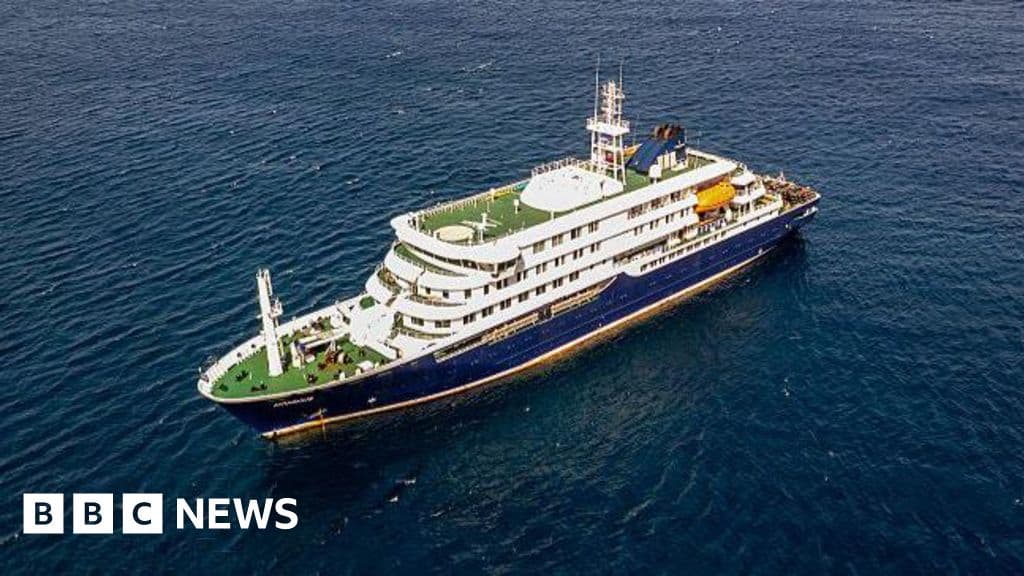
A hantavirus outbreak has been confirmed aboard the MV Hondius cruise ship sailing from Argentina to Cape Verde, with three fatalities and one confirmed case among six suspected infections, according to the World Health Organization (WHO). Investigations and laboratory testing are ongoing to understand the full scope of the outbreak.
This incident highlights the rare but serious threat posed by hantavirus, a rodent-borne virus that can cause severe respiratory and kidney illnesses in humans. Understanding hantavirus transmission and symptoms is crucial for preventing further cases, especially in confined environments like cruise ships.
Ad
What Is Hantavirus and How Does It Spread?
Hantavirus is a group of viruses primarily carried by rodents. Humans typically contract the virus by inhaling airborne particles contaminated with rodent urine, droppings, or saliva. Though rare, transmission can also occur through rodent bites or scratches.
The virus can cause two main illnesses: Hantavirus Pulmonary Syndrome (HPS), which affects the lungs and has a mortality rate of about 38% once respiratory symptoms develop, and Haemorrhagic Fever with Renal Syndrome (HFRS), which primarily impacts the kidneys and can lead to severe complications like internal bleeding and kidney failure.
Ad
Global Impact and Recent Cases
Worldwide, approximately 150,000 cases of HFRS occur annually, mostly in Europe and Asia, with China accounting for over half. In the United States, 890 hantavirus cases have been reported since surveillance began in 1993.
One notable recent case involved Betsy Arakawa, wife of actor Gene Hackman, who died in February 2025 from a hantavirus-linked respiratory illness. Rodent nests and dead rodents were found near her home, underscoring the virus’s connection to rodent exposure.
Ad
Treatment and Prevention Measures
There is no specific cure for hantavirus infections. Treatment focuses on supportive care, including oxygen therapy, mechanical ventilation, antiviral medications, and dialysis for severe cases. Intensive care may be necessary for patients with critical symptoms.
- Avoid contact with rodents in homes and workplaces
- Seal entry points in basements and attics to prevent rodent access
- Wear protective gear when cleaning areas contaminated with rodent droppings
- Ensure proper ventilation to reduce inhalation of airborne particles
Ad
What This Means for Cruise Ship Passengers and Future Outlook
The hantavirus outbreak aboard the MV Hondius serves as a stark reminder of the risks posed by rodent-borne diseases in enclosed environments like cruise ships. Passengers and crew should remain vigilant about hygiene and rodent control measures.
Ongoing investigations by the WHO will provide more clarity on the outbreak’s source and spread. Meanwhile, cruise operators may need to enhance sanitation protocols to prevent similar incidents, ensuring passenger safety on future voyages.