From Manhattan to the Sea: How Suzie Flores is Making Kelp the Next Big American Superfood
A former city professional turns kelp farmer to revolutionize sustainable food and coastal economies

LAT Editorial Team

Ad
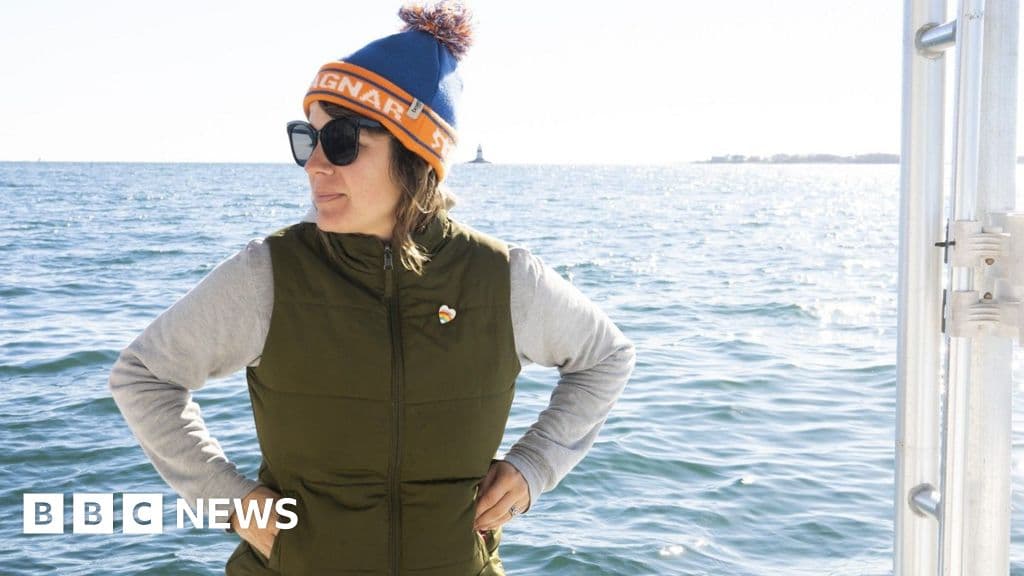
Suzie Flores left behind her fast-paced Manhattan career to cultivate sugar kelp off the Connecticut coast, aiming to introduce Americans to a sustainable, ocean-grown food source. Despite harsh winters and a market unfamiliar with seaweed, she has built a thriving farm that supplies top New England restaurants.
Her journey highlights the potential of kelp farming to revitalize struggling coastal communities, improve marine ecosystems, and create new economic opportunities. As the US imports over 90% of its seaweed, Flores’ work is pioneering a homegrown industry with environmental and culinary promise.
Ad
From City Life to Seaweed Farming: A Bold Career Shift
Once entrenched in the academic publishing world of Manhattan, Suzie Flores made a life-changing decision to pursue kelp farming after questioning the legacy she wanted to leave for her children. Alongside her husband, a former combat photographer turned engineer, she purchased a rundown marina on the Connecticut-Rhode Island border and dove into environmental science and seaweed cultivation.
Ad
Overcoming Market Challenges: Creating Demand for Sugar Kelp
When Flores harvested her first kelp crop, she faced a major hurdle: no buyers. Undeterred, she personally reached out to farm-to-table chefs, educating them on the delicate, mild flavor of East Coast sugar kelp. Her persistence paid off, with her farm now selling out every season to high-end restaurants that value kelp’s unique taste and local origin.
"It's just crunchy and light and salty and briny. It kind of goes with a lot of things," says David Standridge, a James Beard finalist chef who uses kelp as New England’s first fresh vegetable of the year.—Chef David Standridge
Ad
Battling Nature and Building Infrastructure for a Growing Industry
Kelp farming is not without risks. This past winter’s storms and freezing conditions destroyed nearly half of Flores’ crop, compounding the typical 30% loss farmers expect. Beyond cultivation, the US seaweed industry struggles with limited processing and distribution infrastructure, as most seaweed is imported from Asia where farming has centuries of tradition.
Ad
Environmental and Economic Impact: A Vision for Coastal Communities
Sugar kelp offers more than food; it cleans nitrogen pollution, supports marine life, and provides habitat for mussels and fish. Flores envisions a network of small family farms that can supplement declining fisheries, offering fishermen a sustainable off-season income. This model mirrors the quiet growth of oyster aquaculture along New England’s coast.
- Absorbs nitrogen pollution, improving water quality
- Provides habitat for marine species like blue mussels and fish
- Supports local economies by creating new farming opportunities
- Offers a sustainable alternative to declining lobster fisheries
Ad
Looking Ahead: Cultivating a Sustainable Future with Kelp
Flores continues to educate future generations through university and school programs, helping children overcome skepticism about seaweed by incorporating it into familiar dishes. Her hope is that kelp farming will not only sustain her family but also inspire others to find joy and purpose in meaningful work connected to the ocean.
"Kelp is the lobster roll of the future," Flores says, reflecting on the environmental cost of overfishing and the promise of seaweed to restore coastal livelihoods.—Suzie Flores