Dragonflies Disappear: Alarming Decline in Western Ghats’ Unique Insect Species
New study reveals a 35% drop in dragonfly and damselfly species in India’s biodiversity hotspot

LAT Editorial Team

Ad
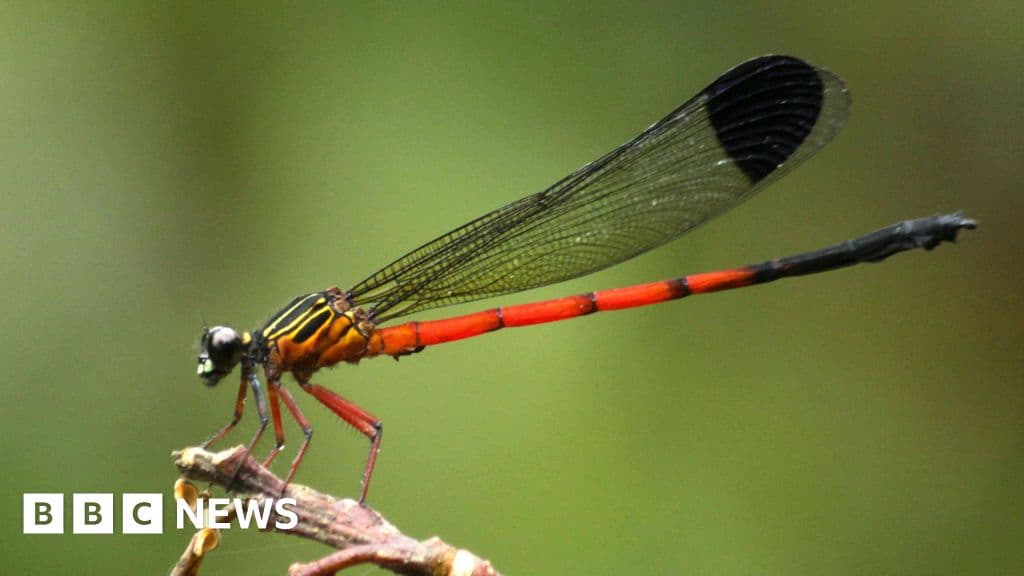
A groundbreaking two-year study across five Indian states has uncovered a worrying decline in dragonfly and damselfly species in the Western Ghats, one of the world’s richest biodiversity hotspots. Researchers documented 143 species, including 40 found nowhere else, but failed to locate nearly 35% of species previously reported in the region.
This decline signals potential ecological distress in the Western Ghats, a UNESCO World Heritage Site vital for its endemic species and environmental balance. Scientists warn that the drop in these insect populations could indicate broader ecosystem degradation, underscoring urgent conservation needs.
Ad
Unveiling the Hidden Diversity of Dragonflies and Damselflies
The study, funded by India’s Department of Science and Technology, involved extensive fieldwork in challenging terrains such as mossy riverbanks and mangrove swamps. Researchers discovered seven new species, including one named Protosticta armageddonia, symbolizing the global crisis of insect population collapse.
Dragonflies and damselflies serve as vital indicators of ecosystem health, making their decline a red flag for environmental scientists monitoring the Western Ghats.
Ad
Why the Western Ghats Matter: A Biodiversity Treasure Trove
Stretching 1,600 kilometers along India’s western coast, the Western Ghats harbor over 30% of India’s plant and animal species, including 325 globally threatened species. Many of these species are endemic, having evolved unique traits over millions of years since the region’s formation during the breakup of the ancient supercontinent Gondwana.
These endemic species play crucial roles in maintaining ecological balance, from climate regulation to pollination, making the health of the Western Ghats essential for regional and global biodiversity.
Ad
Threats Mounting: Urbanization and Habitat Loss
Despite its ecological importance, the Western Ghats face severe threats from urban expansion, agriculture, livestock grazing, infrastructure projects like dams and windmills, invasive species, and mining. The International Union for Conservation of Nature (IUCN) has flagged the region as being of 'significant concern' in its 2025 report.
- Urbanization and agricultural expansion
- Livestock grazing pressures
- Infrastructure development including dams and windmills
- Invasive species disrupting native ecosystems
- Mining activities degrading habitats
Recent studies have documented alarming declines in other species too, such as a 75% drop in endemic bird populations and the disappearance of rare frog species, highlighting a broader pattern of biodiversity loss.
Ad
Looking Ahead: Conservation and Genetic Research
Lead researcher Pankaj Koparde emphasizes the importance of ongoing monitoring and documentation to understand and protect the Western Ghats’ insect populations. The team is building a genetic library of the documented species to trace their evolutionary origins and better inform conservation strategies.
"Dragonflies and damselflies are good indicators of the health of a region. Consequently, when their numbers drop, it could signal the potential degradation of an ecosystem."—Pankaj Koparde, Evolutionary Ecologist
With the Western Ghats being older than the Himalayas and shaped by ancient geological events, preserving its unique biodiversity is critical not only for India but for global ecological heritage.