Aung San Suu Kyi: From Democracy Icon to House Arrest in Myanmar
The Nobel laureate’s decades-long struggle against military rule faces new challenges amid ongoing conflict

LAT Editorial Team

Ad
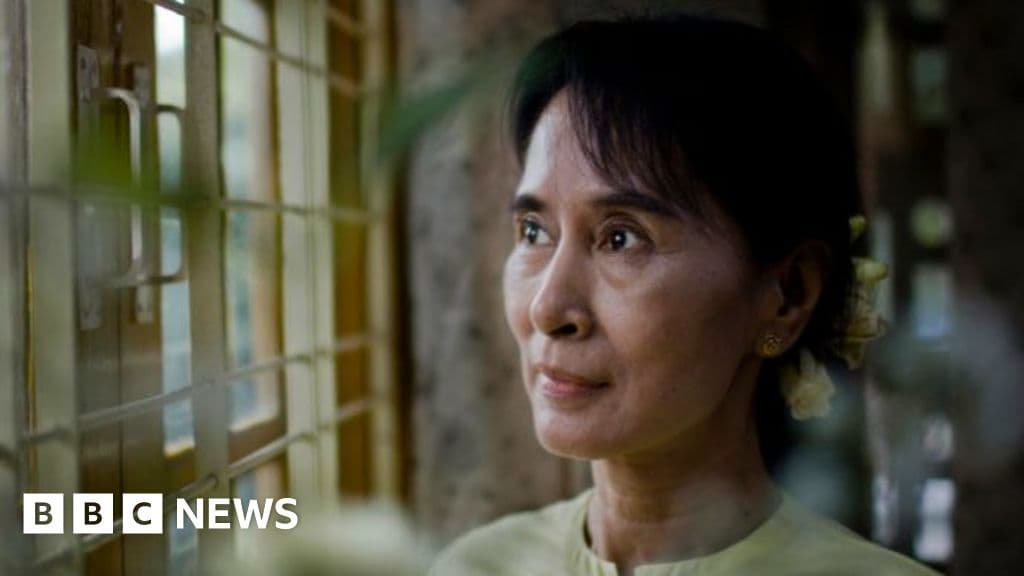
Aung San Suu Kyi, Myanmar’s renowned democracy leader and Nobel Peace Prize winner, has been moved from prison to house arrest following her detention since the 2021 military coup. Once a global symbol of peaceful resistance, her fate remains uncertain as Myanmar endures civil war and political turmoil.
Her decades-long fight against military dictatorship has inspired many, but her legacy is now complicated by controversial decisions during her time in power and the brutal crackdown on pro-democracy movements. As she approaches her 80s, questions loom over her future role in Myanmar’s quest for democracy.
Ad
A Life Shaped by Political Heritage and Early Activism
Daughter of Myanmar’s independence hero General Aung San, Suu Kyi’s political journey began amid national upheaval in 1988. Inspired by non-violent leaders like Gandhi and Martin Luther King Jr., she returned to Myanmar to lead peaceful protests demanding democratic reforms, quickly becoming the face of resistance against military rule.
Her early years were marked by repeated house arrests and international acclaim, including the 1991 Nobel Peace Prize, awarded while she was confined. Despite personal sacrifices, including separation from her family, Suu Kyi remained steadfast in her commitment to non-violent change.
Ad
From Political Triumph to Tarnished Reputation
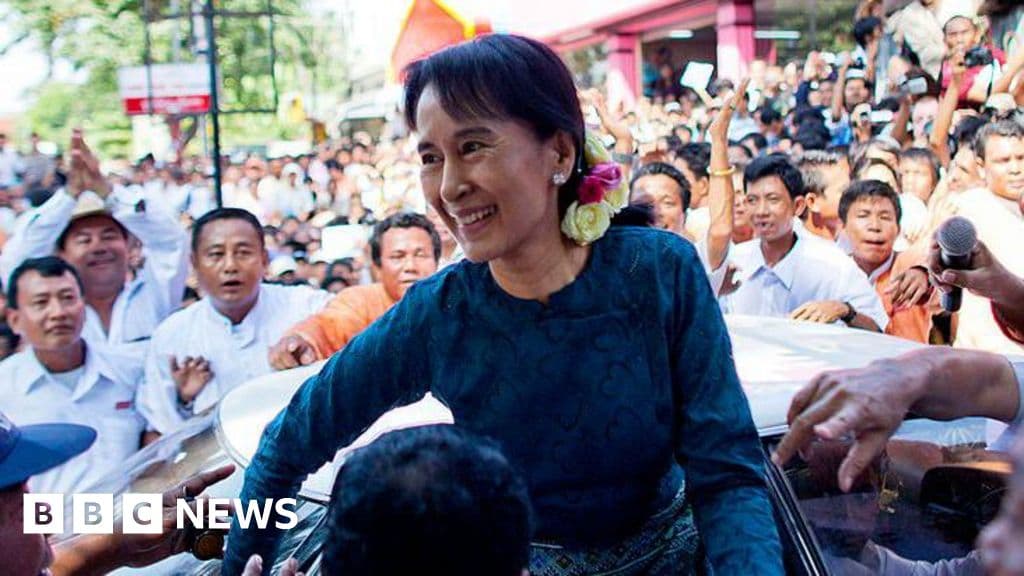
After decades of military dominance, Suu Kyi’s National League for Democracy (NLD) won landmark elections in 2015, raising hopes for democratic progress. However, her leadership became controversial, especially due to her defense of the military’s actions against the Rohingya Muslim minority, which led to accusations of genocide and widespread international criticism.
- 2017 military crackdown forced hundreds of thousands of Rohingya to flee to Bangladesh
- International courts investigated Myanmar for crimes against humanity
- Suu Kyi’s refusal to condemn military atrocities damaged her global standing
- Domestic popularity remained strong among the Buddhist majority
Ad
The 2021 Coup and Its Aftermath
In February 2021, the military abruptly seized power, detaining Suu Kyi and other leaders just as the NLD was set to begin a new term. The coup sparked massive protests and a violent crackdown, plunging Myanmar into civil conflict. Suu Kyi faced multiple charges widely seen as politically motivated, resulting in a lengthy prison sentence.
The UN called her trial a 'sham' that would only 'deepen rejection of the coup'.
Recently, state media announced her transfer from prison to house arrest, though her family remains skeptical about the military’s intentions. Meanwhile, many younger activists have distanced themselves from her non-violent approach, choosing armed resistance to end military rule.
Ad
Looking Ahead: Legacy and Uncertain Future
As Suu Kyi ages and Myanmar’s political crisis deepens, her influence is uncertain. While she remains a symbol of democratic aspirations for many, criticism of her governance and handling of ethnic conflicts has grown. The country’s future hinges on whether a peaceful resolution can be found amid ongoing violence and division.
Her decades-long struggle against military oppression has left an indelible mark on Myanmar’s history, embodying both the hope for freedom and the complex realities of political leadership in a fractured nation.