African Migrants Urged to Stay Safe Amid Rising Anti-Immigrant Protests in South Africa
Tensions escalate as Pretoria hosts large anti-illegal immigration march, sparking safety warnings for foreign nationals

LAT Editorial Team

Ad
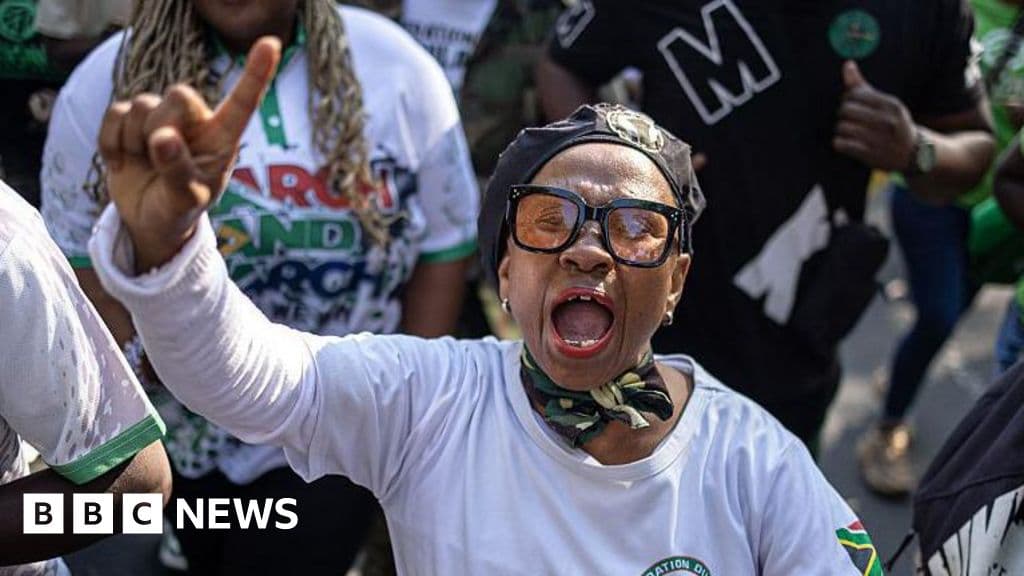
In Pretoria, South Africa, hundreds marched to protest against illegal immigration, prompting African migrant communities to take precautionary measures amid fears of xenophobic violence. Ghana’s high commission and Nigerian community leaders have advised their nationals to close shops and avoid public gatherings during the unrest.
This surge in anti-migrant sentiment highlights deep-rooted tensions fueled by economic struggles and political rhetoric. Despite these challenges, President Cyril Ramaphosa has called for unity and condemned xenophobic attacks, emphasizing the importance of solidarity among African nations.
Ad
Protests in Pretoria Spotlight Growing Anti-Immigrant Sentiment
On Tuesday, hundreds gathered in Pretoria, marching towards the Union Buildings to voice concerns over illegal immigration. Protesters carried signs and chanted slogans blaming foreigners for job scarcity and strain on public services. One participant told the BBC that politicians have failed to address the issue, making such demonstrations necessary.
Ad
Migrant Communities Brace for Impact with Safety Precautions
In response to the protests, Ghana’s diplomatic mission urged its citizens to prioritize personal safety by closing businesses and avoiding protest areas. Similarly, the Nigerian Union in South Africa advised members to stay indoors and shut shops, reflecting widespread anxiety among migrants who fear being targeted regardless of their legal status.
"For us, it's not about whether you are legal or not, and that is why everyone is very careful right now. As long as you are a Nigerian, you are profiled and stereotyped immediately."—Olaniyi Abodedele, Chairman of the Nigerian Union in South Africa
Ad
Xenophobia’s Deep Roots Amid Economic Struggles
South Africa hosts approximately 2.4 million migrants, many from neighboring countries with historical labor ties. However, with unemployment hovering around 33%, anti-foreigner sentiment has intensified, sometimes erupting into violence. Political groups like March and March and Operation Dudula have gained traction by demanding the removal of foreign nationals.
Ad
Calls for Unity and Condemnation of Violence
President Cyril Ramaphosa, in his Freedom Day address, condemned recent attacks on foreigners and urged citizens not to let economic frustrations fuel hatred. The UN Secretary-General Antonio Guterres also denounced xenophobic violence, reminding South Africans of their shared history of solidarity during the apartheid struggle.
"Violence, vigilantism and all forms of incitement to hatred have no place in an inclusive, democratic society."—UN Secretary-General Antonio Guterres
Ad
Looking Ahead: Navigating Tensions and Building Cohesion
With another anti-immigrant march planned in Johannesburg, the situation remains tense. Migrant communities continue to prioritize safety while calls for political and social solutions grow louder. The challenge for South Africa lies in addressing economic grievances without fueling division, ensuring protection for all residents regardless of origin.