Drilling Threatens Sacred Pe' Sla Site, Endangering Indigenous Rights and Environment
Exploratory drilling in South Dakota's Pe' Sla sacred lands sparks legal battle and environmental concerns

LAT Editorial Team

Ad
Drilling operations have commenced within the federally protected 2-mile buffer zone surrounding Pe' Sla, a sacred Indigenous site in the Black Hills of South Dakota. Despite its recognized spiritual and cultural significance, the U.S. Forest Service approved exploratory graphite drilling, igniting fierce opposition from Indigenous groups and environmental advocates.
This development not only jeopardizes the ecological integrity of the Rapid Creek watershed but also challenges the legal protections afforded to Indigenous lands and religious freedoms. The situation at Pe' Sla raises urgent questions about the future of sacred sites and Indigenous sovereignty across the United States.
Ad
Sacred Land Under Threat Despite Federal Protections
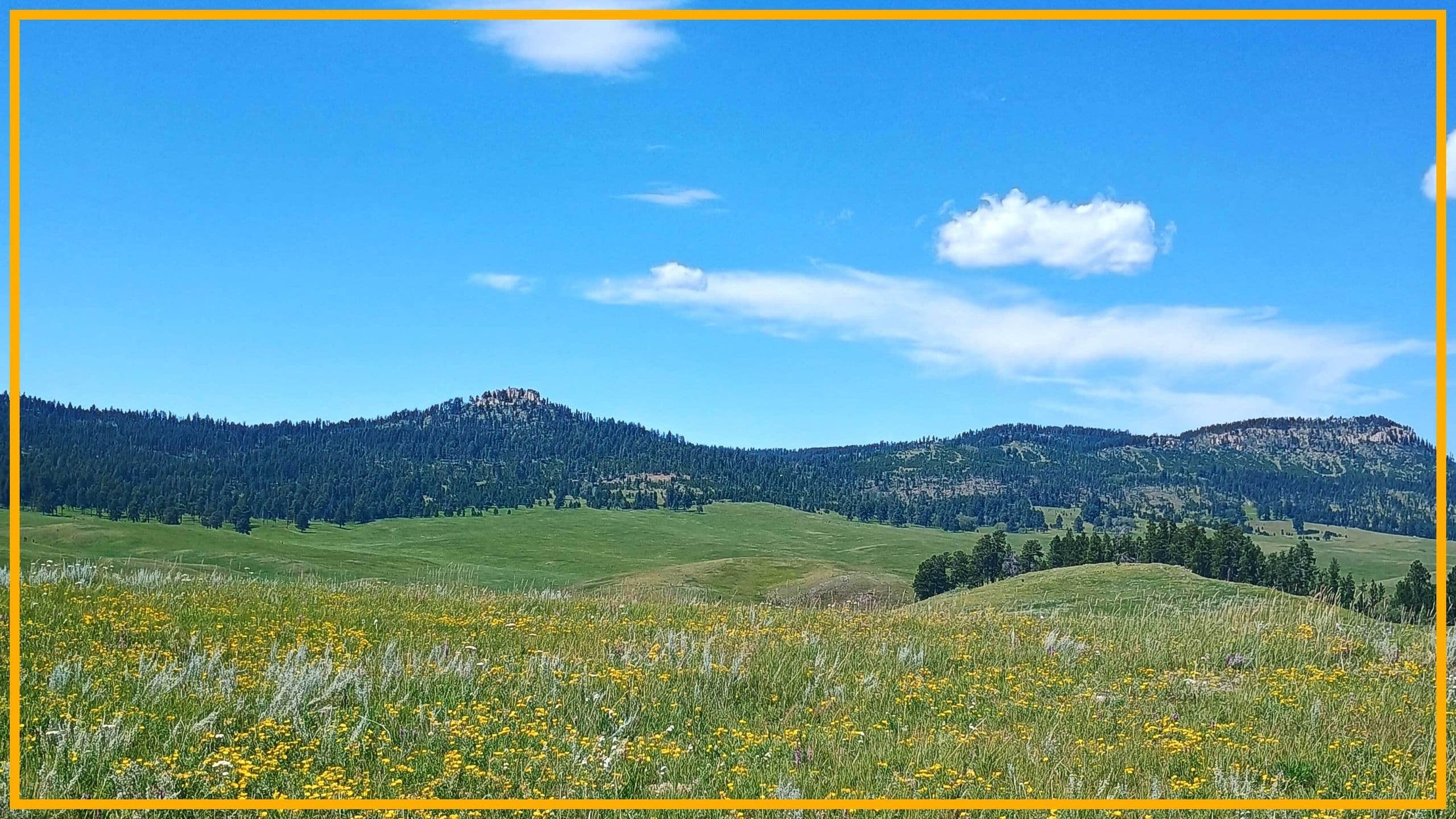
Pe' Sla, located in the He Sapa (Black Hills), holds profound spiritual, cultural, and ecological importance for the Oceti Sakowin (Great Sioux Nation). In 2016, it was granted federal trust status, ensuring permanent stewardship by local tribes for religious use. The Forest Service even established a 2-mile protective buffer zone in 2024 to safeguard this land. Yet, drilling has begun within this buffer, authorized under a 'categorical exclusion' that bypasses the usual environmental assessments.
Ad
Environmental and Cultural Risks of Graphite Drilling
The exploratory drilling project, initiated in February, involves at least two drill pads with plans for up to 18, each reaching depths of 1,000 feet. Such operations typically require removal of vegetation and topsoil, creation of toxic mud pits, and disrupt fragile ecosystems. The site lies within the Rapid Creek watershed, a critical water source for nearby communities, including Rapid City and tribal populations downstream.
Contamination risks from drilling runoff and toxic waste could have severe health impacts, including cancer and neurological damage, due to heavy metals and acid mine drainage. Past mining disasters, like the Gold King Mine spill, illustrate the long-lasting environmental and economic damage such projects can cause.
Ad
Legal Challenges and Indigenous Sovereignty at Stake
In response to the drilling permit, NDN Collective, Black Hills Clean Water Alliance, and Earthworks filed a lawsuit against the Forest Service, citing violations of the National Environmental Policy Act (NEPA) and threats to Indigenous religious rights. The project’s exemption from environmental review is contested, as its scale and impact clearly warrant thorough assessment.
If drilling can be permitted here, on land acknowledged by the government as sacred, within a sensitive watershed, and with limited economic benefit, then what protections truly remain elsewhere?—Dr. Valeriah Big Eagle, Director of He Sapa Initiatives at NDN Collective
Ad
Economic Arguments Fall Short Amid Lasting Damage
Supporters claim the project will bring jobs and economic growth, but the graphite deposits are reportedly small and low-grade, making profitability unlikely. The short-term employment benefits will vanish once drilling ends, while environmental and cultural harm will persist indefinitely.
Ad
A Call to Action and Broader Implications
The fight to protect Pe' Sla has mobilized thousands through public comments, petitions, and legal action. Advocates urge the public to oppose the drilling by contacting the Mystic Ranger District Office and signing petitions to rescind the permit. This struggle highlights the ongoing erosion of Indigenous sovereignty and the urgent need to safeguard sacred sites nationwide.
Ultimately, the Pe' Sla case is a critical test of the U.S. government's commitment to honoring treaties and protecting Indigenous lands. The outcome will resonate far beyond South Dakota, influencing how sacred and environmentally sensitive areas are treated across the country.