Climate Scientist Andy Reisinger on the Unstoppable Shift to Renewables and Earth's Warming Future
Expert insights on global warming overshoot, fossil fuel phaseout, and the urgent path to a sustainable planet

LAT Editorial Team

Ad
Global temperatures have already surpassed 1.5 degrees Celsius above pre-industrial levels, marking a critical milestone in climate change. Despite international efforts, the world is on track to exceed this target, with potentially devastating impacts on ecosystems, weather extremes, and human health.
Climate scientist Andy Reisinger, a key contributor to the IPCC and New Zealand’s Climate Change Commission, explains why the transition away from fossil fuels is inevitable and essential. He highlights the challenges of reversing warming once it peaks and the importance of global cooperation to secure a livable future.
Ad
Why the 1.5°C Target Matters and What We Face Next
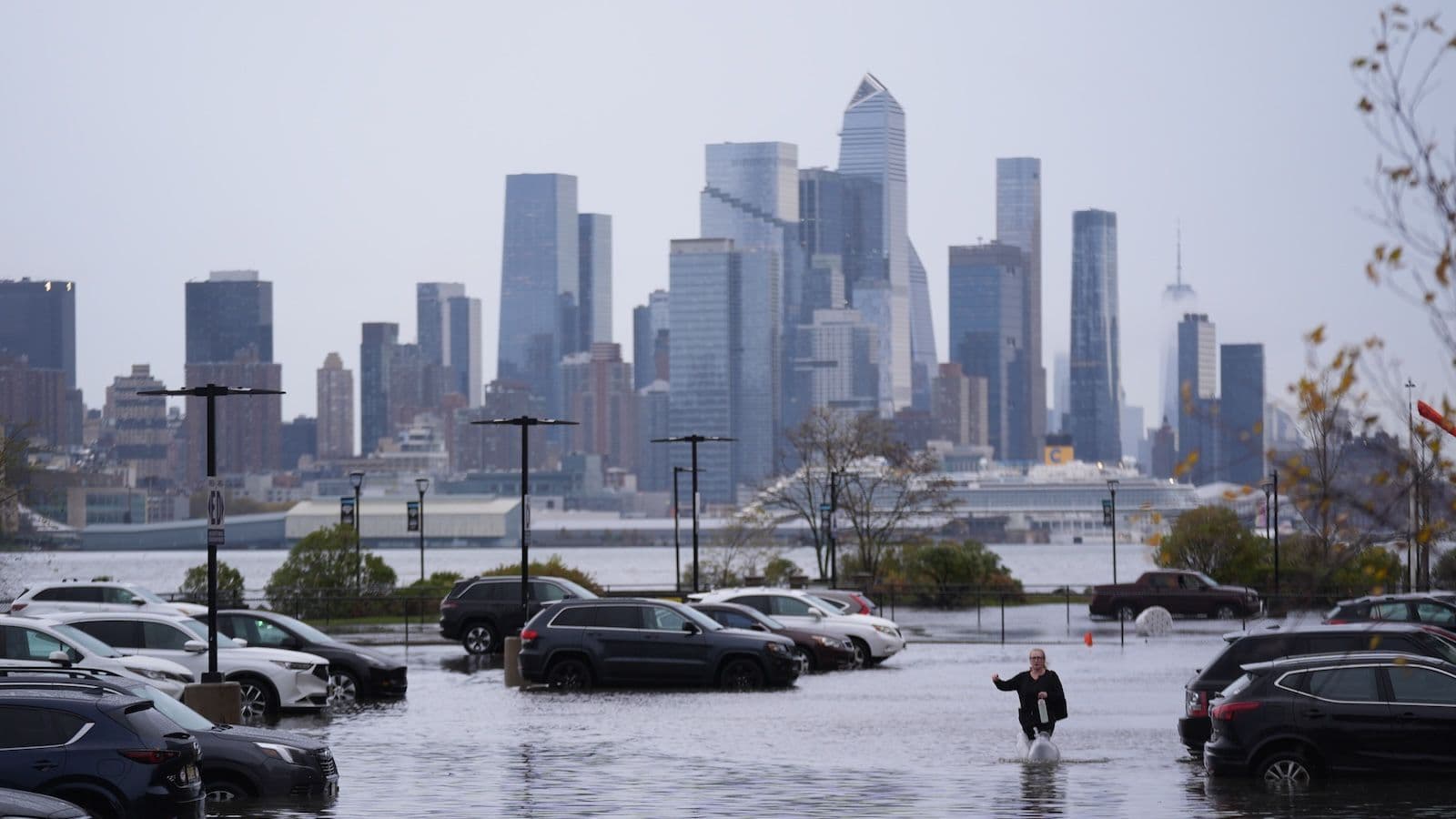
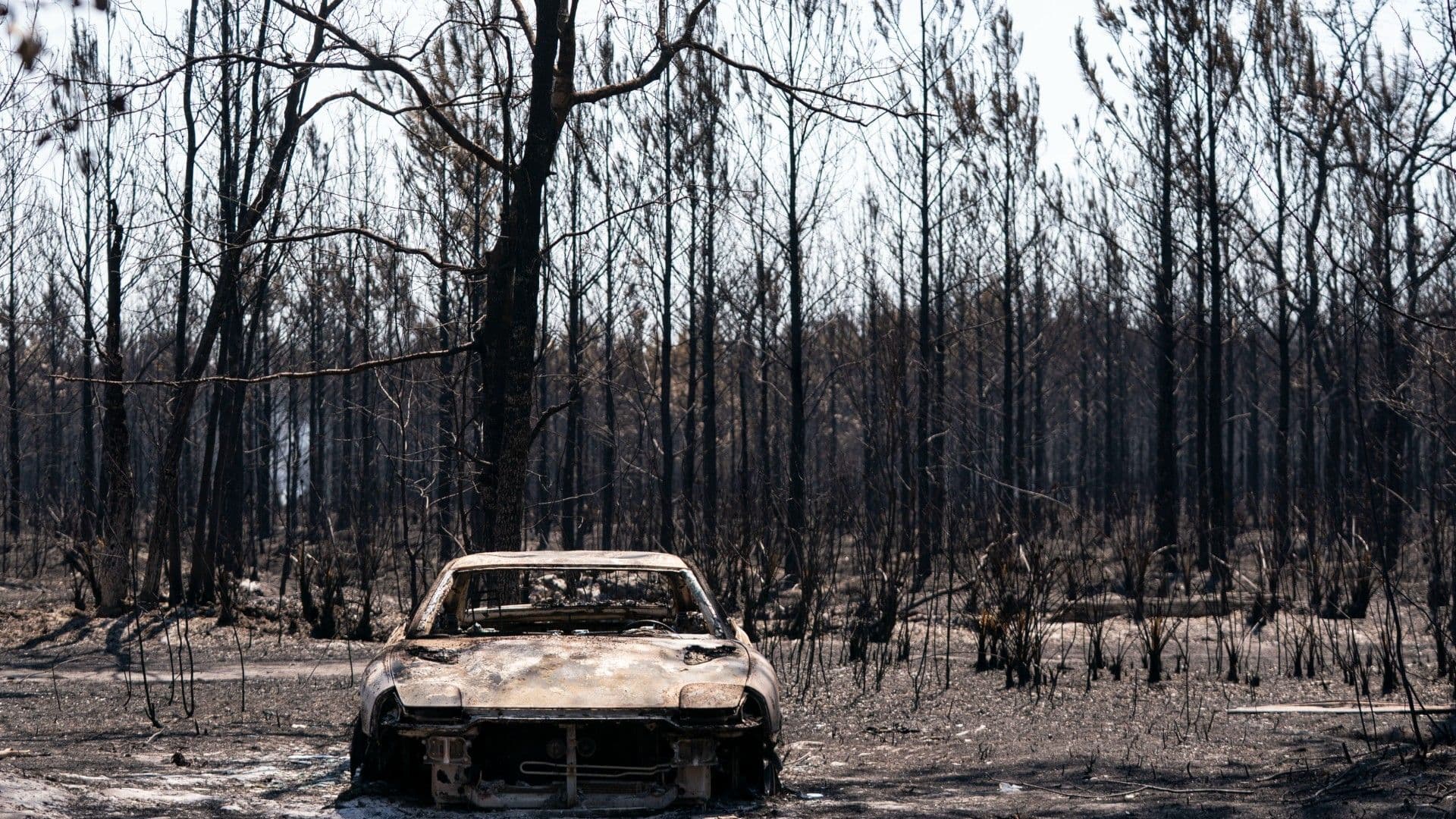
The 1.5 degrees Celsius limit was established in the 2015 Paris Agreement to minimize climate risks. However, current emissions trajectories suggest the planet will exceed this threshold within the next decade, possibly as soon as five years. This overshoot will intensify heatwaves, floods, wildfires, and sea level rise, threatening biodiversity and human livelihoods worldwide.
Reisinger emphasizes that while the warming won’t stop immediately even if emissions are cut drastically, the sooner we act, the lower the peak temperature and the less severe the long-term damage. Every five years of continued emissions at current levels adds roughly 0.1°C to peak warming.
Ad
The Unfolding Climate Impacts and Tipping Points
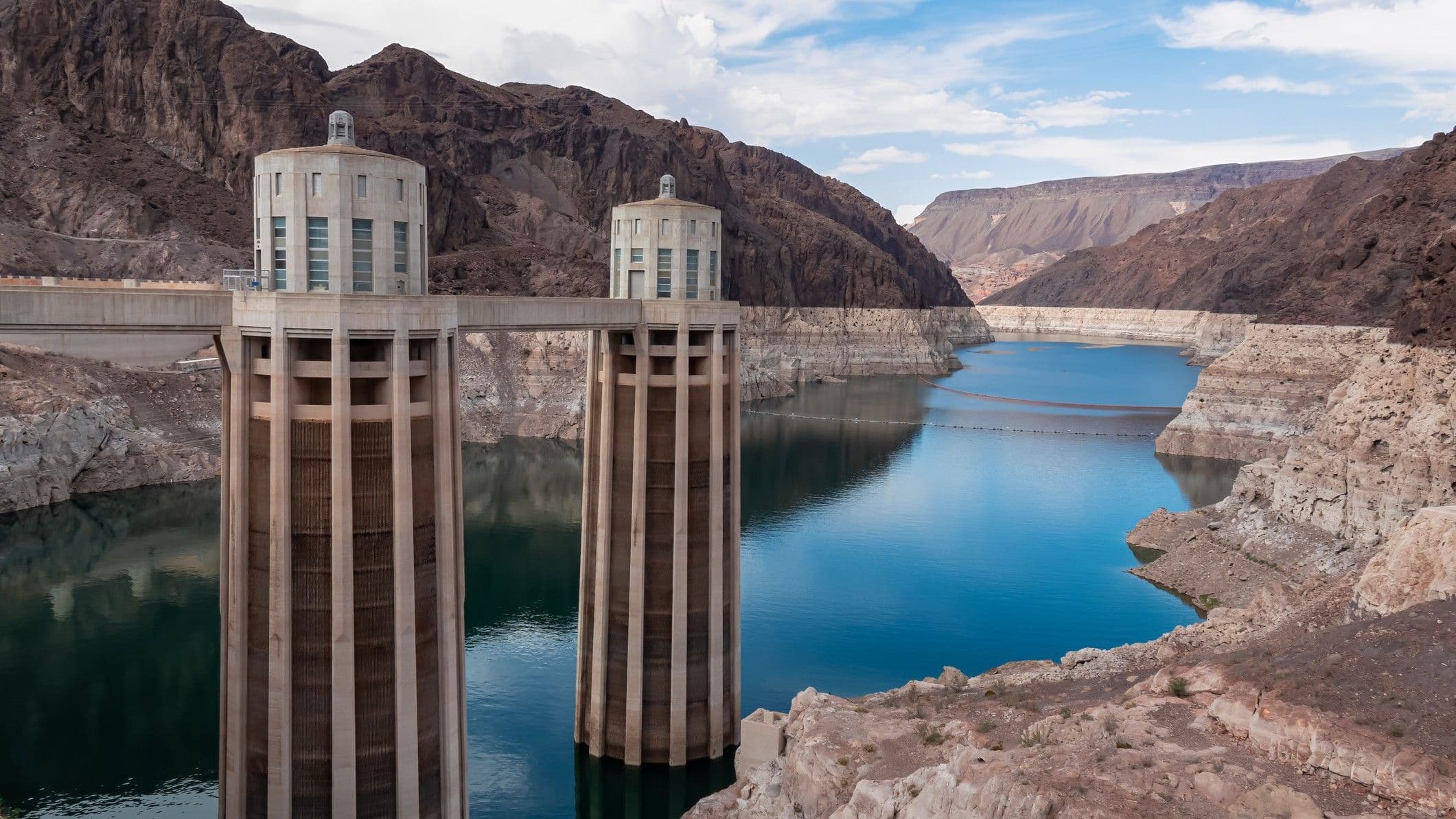
Already, climate change is driving extreme weather events and ecosystem collapse. Coral reefs, such as the Great Barrier Reef, face near extinction if warming reaches 1.7°C. The Gulf Stream, a critical Atlantic ocean current, risks abrupt shutdown with catastrophic consequences for global weather and agriculture.
Feedback loops like methane release from wetlands could accelerate warming unpredictably. These tipping points underscore the urgency of rapid emissions reductions to avoid irreversible damage.
Ad
The Path to a Fossil Fuel-Free Future
Transitioning from fossil fuels to renewable energy is the cornerstone of climate mitigation. Despite political setbacks, including the US withdrawal from the Paris Agreement, the global shift to solar and wind power is gaining momentum. Reisinger stresses that this transition is driven by national self-interest—reducing dependency on volatile fossil fuel markets enhances energy security and public health.
- Rapid phasedown and phaseout of coal, oil, and gas infrastructure
- Expansion of renewable electricity generation
- Halting deforestation by 2030 to reduce carbon emissions
- Addressing methane emissions from agriculture
A coalition of over 50 countries is convening to discuss a 'fossil fuel treaty' aimed at accelerating this energy transition while ensuring a just and equitable process.
Ad
Can We Reverse Overshoot and Cool the Planet?
Once global temperatures peak above 1.5°C, bringing them back down will be a monumental challenge. It requires massive carbon dioxide removal efforts, such as afforestation and technological solutions, alongside sustained emissions cuts. Currently, natural and managed forests remove about two gigatons of CO2 annually, but removing enough carbon to lower temperatures by even 0.1°C could take a century at current rates.
Reisinger warns that failing to limit warming below 2°C makes returning to safer levels within a reasonable timeframe unlikely. Moreover, carbon removal strategies must be implemented carefully to avoid harming food security, ecosystems, and vulnerable communities.
Ad
Looking Ahead: Hope and Responsibility
Despite daunting challenges, Reisinger remains hopeful. He believes the global push for renewables is unstoppable because it aligns with countries’ economic and security interests. Multilateral efforts like the Paris Agreement and upcoming fossil fuel transition conferences provide vital platforms for cooperation.
“You don't have to have an altruistic motive to want to get out of fossil fuels. You can't run a world superpower on coal.”—Andy Reisinger
Reisinger’s personal hope is that future generations will witness the world beginning to recover from peak warming, even if the full reversal may take decades. The imperative now is clear: accelerate emissions cuts, expand renewables, and commit to a just transition to safeguard the planet’s future.