Beating the January Blues: Real Strategies to Lift Your Winter Mood
Mental health experts use ‘Blue Monday’ to spotlight winter depression and offer practical coping tips

LAT Editorial Team

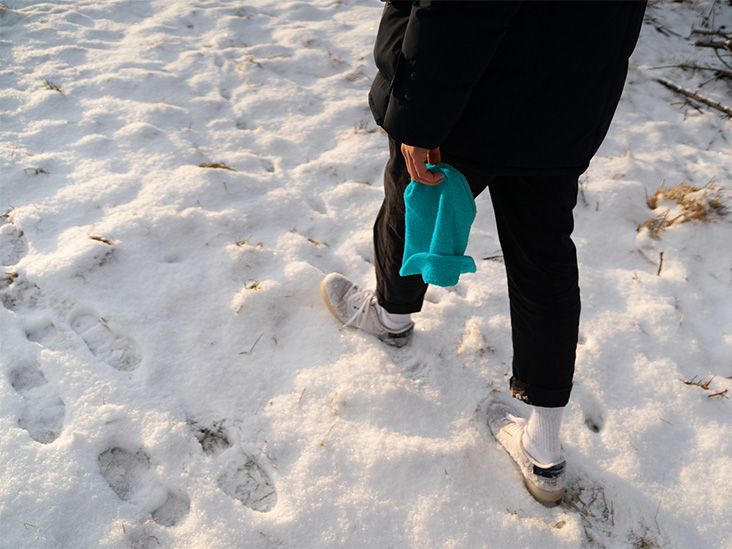
Though ‘Blue Monday’—the third Monday in January—is often dismissed as a marketing gimmick, mental health professionals seize this day to raise awareness about the winter blues and seasonal depression. The concept highlights how post-holiday stress, cold weather, and low motivation can impact mental well-being during the darkest months.
Understanding and addressing these challenges is crucial, especially since many people experience symptoms linked to Seasonal Affective Disorder (SAD). Experts emphasize practical ways to combat winter-related mood dips, encouraging social connection, creativity, physical activity, and self-care to help navigate this tough time.
The Truth Behind ‘Blue Monday’ and Winter Blues
Originally coined in 2005 as a travel industry publicity stunt, ‘Blue Monday’ claims to be the most depressing day of the year but lacks scientific backing. Despite this, the day serves as a useful reminder to acknowledge the real mental health struggles many face during January and the winter months.
Factors like lingering holiday debt, gloomy weather, and fading motivation contribute to what’s commonly called the ‘January blues.’ For some, these feelings extend throughout winter, especially for those with a history of depression or anxiety.
Recognizing Seasonal Affective Disorder (SAD)
SAD is a genuine medical condition triggered by reduced sunlight, which disrupts sleep and energy levels. Symptoms include fatigue, mood swings, and cravings for sweets or carbs. Fortunately, treatments such as vitamin D supplements, light therapy, and counseling can help manage these symptoms.
Practical Ways to Combat the Winter Slump
- Host a ‘Brew Monday’ coffee date to connect with friends and lift spirits.
- Plan enjoyable distractions like game nights or casual dinners to break the monotony.
- Create themed days at work, such as cozy sweater day, to add fun and lightheartedness.
- Engage in laughter therapy by watching comedies or sharing jokes to boost endorphins.
- Start creative hobbies like baking, painting, or adult coloring to channel energy positively.
- Transform your space with soft lighting and aromatherapy to create a cozy retreat.
- Listen to upbeat music or lighthearted podcasts to elevate your mood.
- Get outside for brisk walks to soak up natural light and fresh air, even on cold days.
- Incorporate physical activity like yoga, dancing, or quick workouts to release feel-good hormones.
- Practice gratitude by noting small daily joys to shift focus toward positivity.
- Set small, manageable goals instead of overwhelming resolutions to maintain motivation.
A Personal Perspective on Navigating Winter Challenges
“As someone living with a chronic condition, I’ve learned to recognize early signs of burnout and adjust my goals accordingly. Using my office treadmill and playing feel-good music helps me stay active and uplifted during the cold months.”—Health Editor
This personal insight highlights the importance of self-awareness and adaptable strategies to maintain mental health during winter’s toughest stretches.
Looking Ahead: Supporting Mental Health Beyond January
While January can be particularly challenging, mental health concerns often persist throughout winter. It’s vital to explore various coping mechanisms and seek professional support when needed. Staying connected, active, and creative can make a significant difference in managing seasonal mood changes.
Remember, you’re not alone—help is available year-round. Whether through friends, family, or mental health professionals, reaching out can provide the support needed to overcome the winter blues.