Oil Market Faces Imminent Crisis as Supply Chain Disruptions Deepen
Experts warn of worsening oil shortages despite futures market optimism

LAT Editorial Team

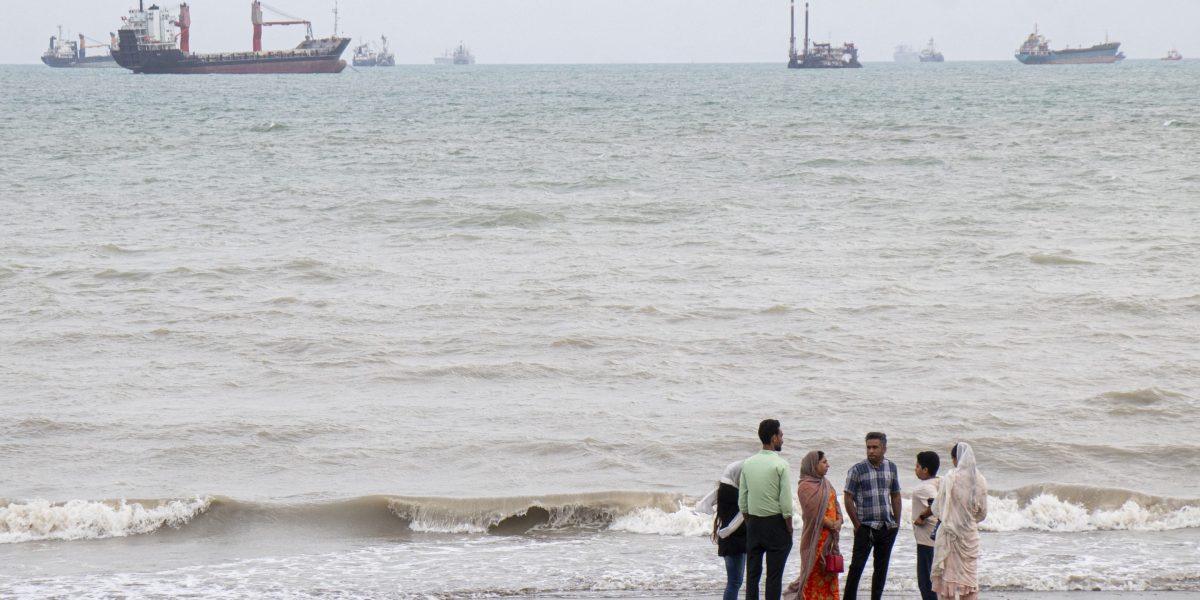
Top oil analysts are sounding alarms over a looming crisis in the global oil market, highlighting a dangerous disconnect between futures prices and the actual physical supply. With the Strait of Hormuz effectively closed for over 40 days, the flow of Middle Eastern oil has stalled, triggering a chain reaction of supply shortages and inventory depletion worldwide.
This supply crunch is expected to intensify in the coming months, with experts predicting that even if the conflict ends soon, the oil market will face months of disruption before normalcy returns. The situation threatens to push oil prices sharply higher and strain global industries reliant on steady fuel supplies.
Why Oil Futures Are Misleading Investors
Despite geopolitical tensions, oil futures have remained relatively stable, buoyed by hopes of peace talks between the U.S. and Iran. West Texas Intermediate crude is still trading below $100 per barrel, while Brent crude has just crossed that mark. Meanwhile, stock markets continue to hit record highs as investors look beyond the conflict.
However, Paul Sankey, president of Sankey Research, warns that these futures prices do not reflect the harsh reality on the ground. The oil shipments that left the Persian Gulf before the war are only now arriving, and with the Strait of Hormuz closed, no new supplies are entering the market. This disconnect masks the severity of the supply shortage.
Supply Chains Breaking and Inventories Running Low
As fresh oil inflows from the Middle East dry up, countries have been forced to tap into their reserves. Sankey describes the inventory situation as 'starting to get scary,' with critical supplies like jet fuel in Australia and solvents for chip manufacturing in Japan already showing signs of strain.
- Jet fuel shortages emerging in Australia
- Solvent supply issues impacting Japan's chip production
- Depleting reserves in the U.S. and Japan
- Global market availability lower than official data suggests
Sankey emphasizes that even if the straits reopen tomorrow, the disruption is locked in due to tanker locations and supply chain delays, guaranteeing worsening conditions over the next two months.
The Critical Timeline: When Will the Crisis Peak?
JPMorgan analysts predict that commercial oil inventories in OECD countries will hit 'operational minimums' between May 9 and May 30. At this point, price increases are expected to accelerate exponentially rather than rise gradually.
Even after the conflict ends, restoring oil supply will be a slow process. Ports will require two months to reopen, tanker crews will need weeks to resume safe passage, and oil production will take approximately four months to return to near full capacity.
If the Iran war drags on for another month, oil markets will run out of stockpiles and hit 'tank bottoms.'—Frederic Lasserre, Gunvor Group
The Broader Impact and What Lies Ahead
The conflict has already wiped out about 1 billion barrels of oil supply, with the potential to reach 1.5 billion barrels if it continues, according to Trafigura Group's Chief Economist Saad Rahim. He highlights a significant gap between market perception and the harsh reality of supply shortages.
The scale seems to be something where the market can’t actually get its head around it.—Saad Rahim, Trafigura Group
As the world braces for this unfolding energy crisis, the coming months will be critical. Stakeholders must prepare for volatile prices and supply constraints that could ripple across industries and economies globally.