Europe Faces Renewed Energy Crisis Amid Middle East Conflict, Urges Shift to Homegrown Power
EU grapples with soaring energy costs and supply risks as Iran war disrupts global oil flow

LAT Editorial Team

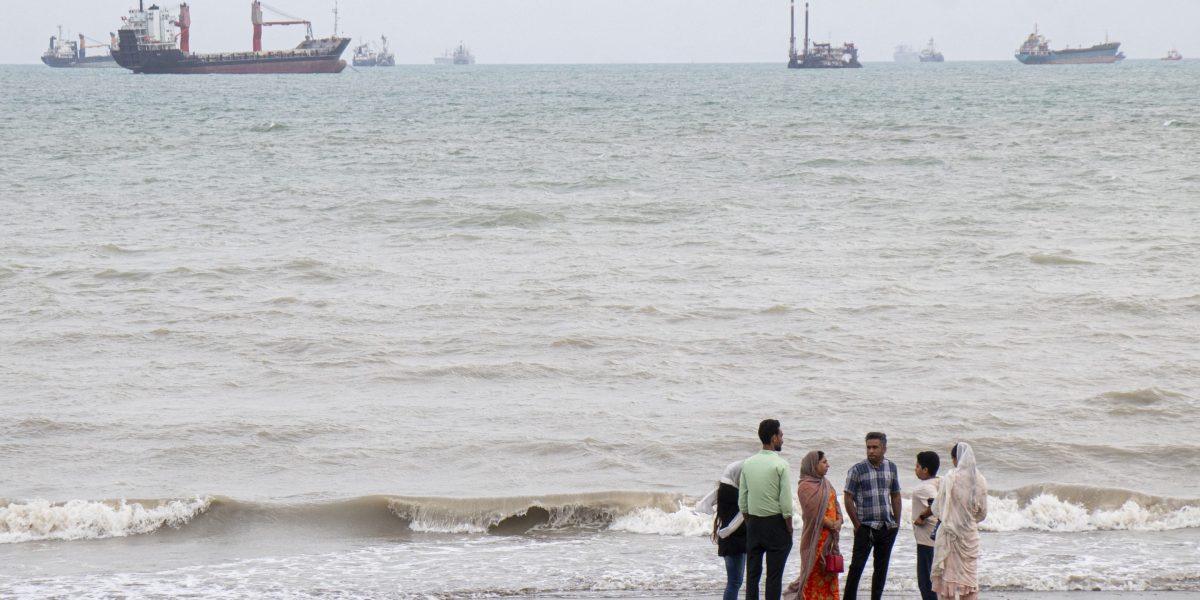
Nearly two months after the outbreak of war in the Middle East, the closure of the Strait of Hormuz has severely disrupted global oil and gas supplies, sending Europe's energy costs soaring. The EU has spent an additional €24 billion on fossil fuel imports in just 52 days, exposing the continent's persistent vulnerability to foreign energy dependence.
This crisis underscores the urgent need for Europe to rethink its energy strategy. Despite progress in reducing reliance on Russian fuels since 2022, the EU remains heavily dependent on imports from geopolitically unstable regions. The European Commission now calls for accelerated investment in renewable energy and energy efficiency to secure the continent’s future.
Strait of Hormuz Closure Sparks Energy Shock
The Strait of Hormuz, a vital chokepoint for nearly 20% of the world’s oil and natural gas, remains largely closed despite ceasefire talks. This blockade has sent global energy prices soaring, forcing the EU to dramatically increase spending on fossil fuel imports. The European Commission’s recent report highlights the scale of the crisis and its impact on the bloc’s energy security.
Recycling Past Strategies: Energy Savings and Demand Reduction
Drawing on lessons from the 2022 energy crisis triggered by Russia’s invasion of Ukraine, the EU is promoting energy efficiency and demand reduction. Measures include retrofitting buildings, replacing gas boilers, and encouraging voluntary cuts in oil and gas use, especially in transport. While rationing is not yet on the table, officials warn that prolonged high prices could force permanent reductions in energy consumption.
- Retrofitting buildings for energy efficiency
- Vouchers for replacing gas-powered boilers
- Voluntary demand-saving measures for transport
- Tax incentives for electric vehicles and home electrification
- Support for heat pumps, solar panels, and battery storage
The Push for Energy Independence Through Renewables
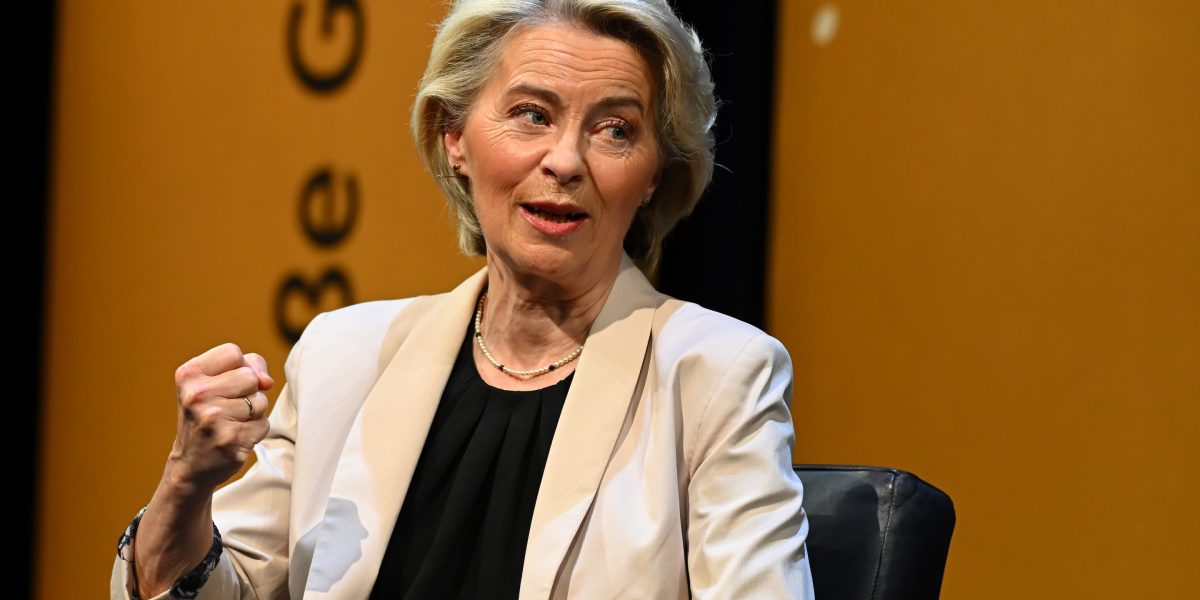
At the heart of the EU’s strategy is a decisive shift toward renewable energy and reducing reliance on imports. Commission President Ursula von der Leyen emphasized the need to accelerate the transition to clean, homegrown power to enhance energy security and resilience against geopolitical shocks.
“We must accelerate the shift to homegrown, clean energies. This will give us energy independence and security, and mean we are better able to weather geopolitical storms.”—Ursula von der Leyen, European Commission President
While solar and wind power have grown rapidly, sectors like transport, heating, and heavy industry still rely heavily on fossil fuels. The EU’s energy imports remain high, with 57% of energy sourced from abroad as the Iran conflict erupted. The new plan includes expanding biofuels, sustainable jet fuel, nuclear energy, and upgrading the grid to support renewables.
Looking Ahead: Building a Resilient European Energy Future
Europe’s energy challenges are far from over. The current crisis is a stark reminder of the risks tied to foreign fossil fuel dependence. The EU’s renewed focus on energy efficiency, electrification, and renewable energy infrastructure aims to build a more resilient and self-sufficient energy system capable of withstanding future geopolitical disruptions.
As the continent navigates this turbulent period, the choices made today will determine Europe’s energy security for decades to come.